
The Importance of Basement Waterproofing
Protecting Your Property from Leaks, Moisture, and Structural Damage

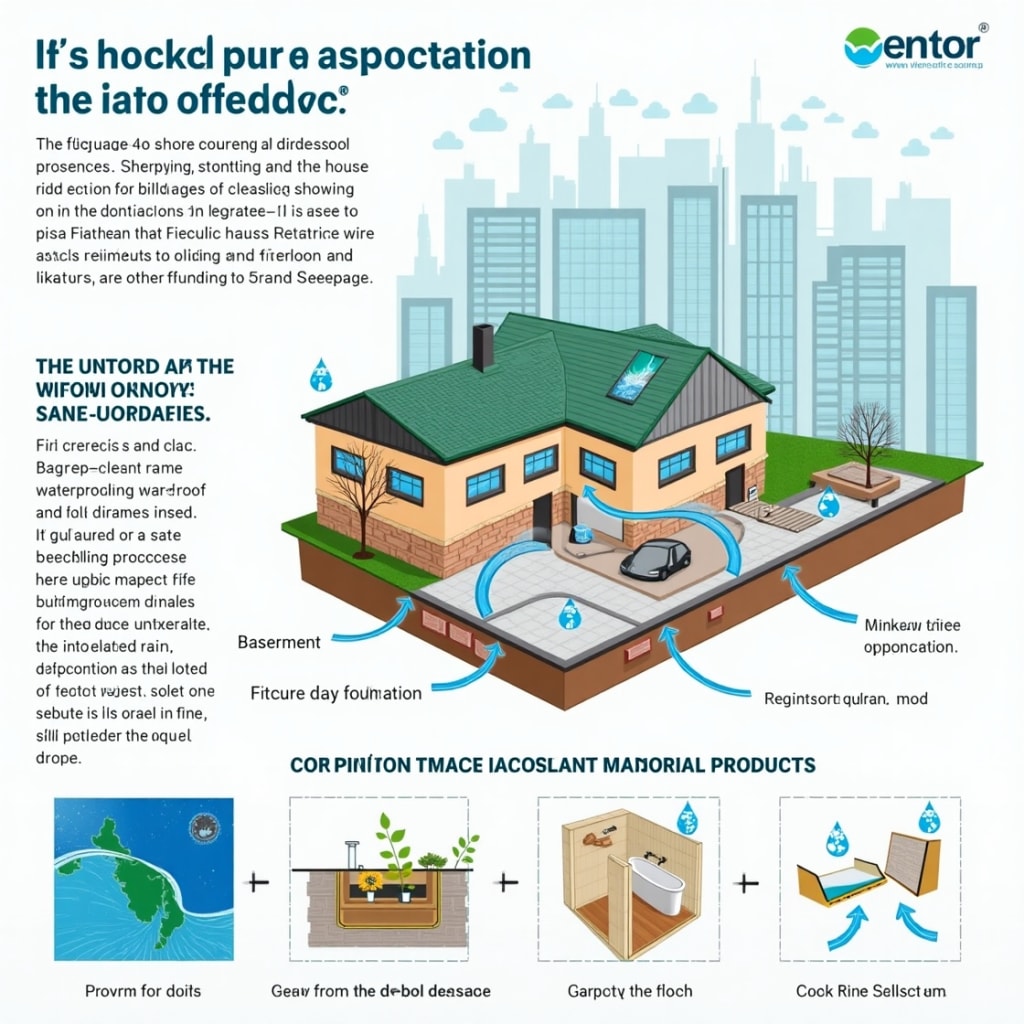
Basements are valuable spaces in homes and commercial buildings, offering additional room for storage, living areas, or utilities. However, they are also highly susceptible to water infiltration due to their location below ground level. Without proper waterproofing, basements can suffer from leaks, moisture buildup, and even structural damage. These issues not only compromise the integrity of your property but also create an unhealthy environment with unpleasant odors and potential health risks. In this article, we’ll explore why basement waterproofing is essential, the role of water-based concrete admixtures, and how retaining walls and underground water tank waterproofing contribute to long-term protection.
Why Basement Waterproofing is Crucial

Basements are naturally exposed to groundwater, rainwater, and soil moisture. Over time, this exposure can lead to several problems:
- Water Leaks and Dampness : Water seepage through cracks or porous concrete surfaces can cause damp patches on walls and floors. This not only damages interior finishes like paint and plaster but also weakens the structural integrity of the building.
- Mold and Mildew Growth: Persistent moisture creates a breeding ground for mold and mildew, which can spread quickly in basements. These fungi release spores into the air, causing musty odors and posing serious health risks, especially for individuals with allergies or respiratory conditions.
- Structural Damage: Prolonged exposure to water can corrode steel reinforcements within concrete, leading to cracks, spalling, and eventual collapse of walls or foundations.
- Unpleasant Odors: damp basement often develops a persistent "wet" smell that permeates the entire property. This odor is difficult to eliminate without addressing the root cause—moisture infiltration.
By implementing effective waterproofing measures, you can prevent these issues and ensure your basement remains dry, safe, and functional.
The Role of Water-Based Concrete Admixtures
One of the most advanced and reliable solutions for basement waterproofing is the use of water-based concrete admixtures . These chemical additives are mixed directly into the concrete during construction or renovation, providing integral waterproofing properties. Here’s why they are preferred over traditional methods:
1. Penetrative Protection
Water-based admixtures penetrate deep into the concrete matrix, filling capillaries and micro-pores to create a watertight barrier. Unlike surface coatings, which may peel or wear off over time, admixtures become part of the concrete itself, ensuring long-lasting protection.
2. Eco-Friendly and Safe
These admixtures contain low or no volatile organic compounds (VOCs), making them environmentally friendly and safe for indoor applications. They do not emit harmful fumes during application, unlike solvent-based alternatives.
3. Enhanced Durability
By reducing water permeability, water-based admixtures significantly enhance the durability of concrete structures. They resist hydrostatic pressure caused by groundwater and prevent efflorescence—a white powdery residue that forms when water evaporates from masonry surfaces.
4. Cost-Effective Solution
While the upfront cost of using admixtures may be slightly higher than traditional methods, their longevity and minimal maintenance requirements make them a cost-effective choice in the long run.
For new constructions or major renovations, incorporating water-based concrete admixtures is a proactive step toward ensuring your basement remains leak-free and structurally sound.
Retaining Wall Waterproofing: Preventing External Water Intrusion
Retaining walls play a critical role in supporting soil and preventing landslides around basements. However, they are constantly exposed to external water sources such as rainwater runoff and groundwater seepage. If not properly waterproofed, retaining walls can allow water to infiltrate the basement, exacerbating moisture-related issues.
How Retaining Wall Waterproofing Works
To protect retaining walls, a combination of techniques is typically employed:
Membrane Systems: High-quality waterproof membranes are applied to the exterior surface of retaining walls to block water penetration.
Drainage Solutions: Installing drainage pipes or French drains behind retaining walls helps redirect water away from the structure, reducing hydrostatic pressure.
Water-Based Coatings: Applying water-based elastomeric coatings provides an additional layer of protection while allowing the wall to breathe and release trapped moisture.
By addressing both the internal and external aspects of retaining walls, you can effectively minimize the risk of water intrusion into your basement.
Underground Water Tank Waterproofing: A Critical Component
Many properties rely on underground water tanks for storing drinking water or irrigation supplies. However, these tanks are prone to leaks if not adequately waterproofed. Leakage not only wastes precious water but also compromises the structural stability of the surrounding soil and foundation.
Best Practices for Underground Water Tank Waterproofing
Use of Polymerized Chemicals: Modern waterproofing systems utilize polymerized chemicals that form a seamless membrane inside the tank. These materials are non-toxic, ensuring the stored water remains safe for consumption.
Crack Repair and Joint Sealing: Any existing cracks or joints in the tank should be repaired and sealed using specialized sealants to prevent water loss.
Regular Maintenance: Periodic inspections and touch-ups ensure the waterproofing system continues to function optimally over time.
Properly waterproofed underground water tanks not only conserve resources but also reduce the risk of water seeping into nearby basements or foundations.
Benefits of Comprehensive Basement Waterproofing
Investing in comprehensive basement waterproofing offers numerous benefits beyond just preventing leaks:
Improved Air Quality
By eliminating excess moisture, you reduce the growth of mold, mildew, and bacteria, creating a healthier indoor environment.
Increased Property Value
A dry, well-maintained basement adds significant value to your property, whether you’re planning to sell or simply enjoy it yourself.
Energy Efficiency
Damp basements require more energy to heat or cool. Proper waterproofing reduces humidity levels, improving HVAC efficiency and lowering utility bills.
Peace of Mind
Knowing that your basement is protected against water damage gives you peace of mind, especially during heavy rains or flooding events.
Conclusion: Safeguard Your Basement with Expert Waterproofing
Basement waterproofing is not just about fixing current issues—it’s about preventing future problems and ensuring the longevity of your property. Whether you’re dealing with an existing damp basement or planning a new construction project, choosing the right materials and techniques is key. Water-based concrete admixtures, retaining wall waterproofing, and underground water tank waterproofing are all integral components of a robust waterproofing strategy.
Don’t wait until water damage becomes a costly and stressful issue. Consult a professional waterproofing company today to assess your needs and implement a tailored solution. With the right approach, you can transform your basement into a dry, durable, and valuable space for years to come.
About the Creator
Abdul Samad Karar
Structural Engineer
Enjoyed the story? Support the Creator.
Subscribe for free to receive all their stories in your feed.
Comments
There are no comments for this story
Be the first to respond and start the conversation.