
The Impact of Air Pollution on Urban Living and Real Estate Prices
Explore how air pollution impacts urban living, health, and real estate prices, and discover ways to mitigate its effects on property values.
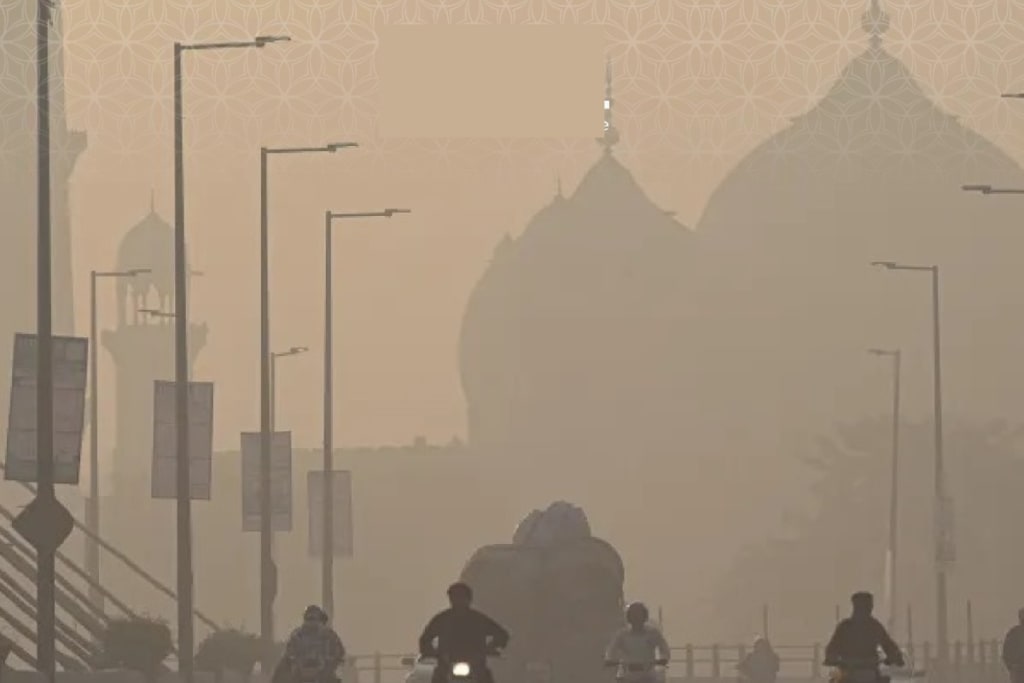
Air pollution is becoming a major concern in cities around the world. As urban areas grow, so does the level of pollution. This isn't just bad for our health; it also impacts the value of real estate. Understanding how air pollution affects urban living and property prices is important for both city residents and real estate investors. In this article, we'll explore the connection between air pollution and the real estate market. Learn more about real estate with Summa Marketing.
Understanding Air Pollution in Urban Areas
Sources of Air Pollution
In cities, air pollution comes from many sources. Cars and trucks release harmful gases into the air every day. Factories and industrial activities also contribute to the problem. Dust from construction sites adds to the pollution, making the air harder to breathe. Even everyday activities like using household products can increase pollution levels. All these sources combine to create a significant pollution problem in urban areas.
Health and Environmental Impact
Air pollution affects both our health and the environment. Breathing polluted air can lead to serious health issues. People may develop respiratory diseases, allergies, and other long-term health problems. Pollution also harms the environment. It damages plants, harms animals, and contaminates water sources. Over time, these effects make cities less livable and less attractive to residents.
Air Pollution's Direct Impact on Urban Living
Quality of Life
Living in a polluted city can greatly reduce the quality of life. People living in these areas often experience more health problems. They may suffer from asthma, bronchitis, or other breathing issues. This can lead to fewer outdoor activities, as people try to avoid polluted air. It also affects social interactions, with fewer community events and outdoor gatherings. Overall, air pollution makes urban living less enjoyable and healthy.
Economic Consequences
The economic impact of air pollution is also significant. When people get sick, they need more medical care, which increases healthcare costs. Businesses may see a drop in productivity as workers take time off due to illness. This can hurt the local economy. High pollution levels can also lead to higher insurance premiums, adding to the financial burden on residents. Over time, the costs add up, making polluted cities more expensive to live in.
How Air Pollution Affects Real Estate Prices
Decline in Property Value
Air pollution can cause property values to drop. People don't want to live in areas with bad air quality. This lowers the demand for homes and apartments in polluted neighborhoods. As a result, property prices in these areas tend to decrease. In some cases, the decline in property value can be significant. When buyers compare prices, they often find that homes in cleaner areas are worth more.
Reduced Demand in Polluted Areas
Homes in polluted areas often have less demand. Buyers and renters prefer neighborhoods with clean air. They want to protect their health and enjoy a better quality of life. As more people avoid polluted areas, the demand for homes there decreases. This further drives down property prices. People with the option to choose where they live often avoid polluted neighborhoods, leaving these areas less populated and less desirable.
Long-Term Investment Risks
Investing in real estate in polluted areas comes with risks. Property values in these areas are less likely to increase over time. In some cases, they may even continue to drop. There is also the risk of stricter regulations. Governments may introduce new laws to limit pollution, which could impact property development. These factors make real estate in polluted areas a risky investment, with fewer chances for long-term gains.
Mitigating the Impact of Air Pollution on Real Estate
Urban Planning and Green Spaces
Good urban planning can help reduce the impact of air pollution. Creating green spaces, like parks and urban forests, can improve air quality. These areas act as natural filters, absorbing pollutants and releasing clean air. Building eco-friendly homes and offices also helps. Using sustainable materials and energy-efficient designs can reduce the overall pollution in cities. These measures make polluted areas more livable and can help boost property values.
Also Read: Top 11 World Best Business Opportunities in 2024
Technological Solutions
Technology can also play a role in reducing pollution's impact on real estate. Air purification systems can be installed in homes and offices to clean the air. These systems help remove harmful particles and make indoor environments healthier. Using renewable energy sources, like solar panels, can also reduce pollution. Sustainable building materials and designs are becoming more popular, helping to create cleaner urban environments. These innovations make properties in polluted areas more attractive.
Policy and Community Initiatives
Government policies and community efforts are crucial in tackling air pollution. Regulations that limit emissions from vehicles and factories can significantly reduce pollution levels. Incentives for using public transport or electric vehicles can also help. Communities can work together to plant trees, reduce waste, and promote clean energy. These initiatives improve air quality and make urban areas more desirable. Over time, this can lead to increased property values in previously polluted areas.
Conclusion
Air pollution is a serious issue that affects both urban living and real estate prices. It reduces the quality of life for residents and can lead to higher healthcare costs. For the real estate market, pollution can cause property values to drop and make investments riskier. However, with proper planning, technology, and community efforts, the impact of air pollution can be mitigated. By working together, we can create cleaner, healthier cities with strong, stable real estate markets.
About the Creator
Enjoyed the story? Support the Creator.
Subscribe for free to receive all their stories in your feed.
Comments
There are no comments for this story
Be the first to respond and start the conversation.