
The Hidden Health Gem That’s Changing Lives
Read this article to learn more....
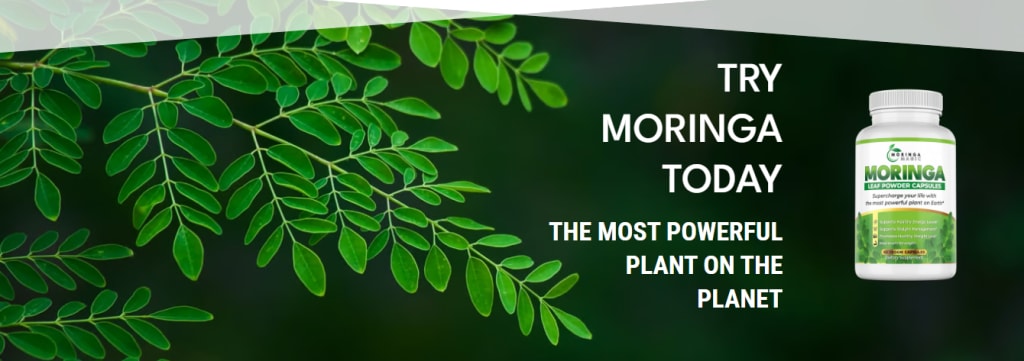
Introduction to the Plant
In the pursuit of enhanced well-being, many individuals are increasingly turning to natural remedies. Among these, moringa is emerging as a standout due to its remarkable health benefits. Often referred to as the "miracle tree," moringa is native to regions of Africa and Asia and has been utilized for centuries in traditional medicinal practices. Its global popularity is on the rise, and it's easy to see why.
Every component of the moringa tree, from its leaves to its seeds, is packed with essential nutrients and healing properties. This plant is a nutritional powerhouse, boasting an impressive array of vitamins, minerals, and antioxidants. Moringa leaves are particularly notable for their high content of vitamin C, vitamin A, calcium, and potassium. Additionally, the plant is a rich source of plant-based protein, making it a valuable addition to vegetarian and vegan diets.
One of the key reasons for moringa’s acclaim is its versatility. The leaves can be consumed fresh, dried, or powdered, while the seeds can be eaten raw or cooked. Moringa oil, extracted from the seeds, is also gaining recognition for its therapeutic and cosmetic uses. The adaptability of moringa makes it easy to incorporate into a variety of dishes, from smoothies and teas to soups and salads.
Historically, moringa has been used to treat a range of health issues, including malnutrition, inflammation, and infections. Modern scientific research is beginning to validate many of these traditional uses. For instance, studies have shown that moringa has anti-inflammatory and antioxidant properties, which can help combat chronic diseases and boost overall health. The plant’s nutrient profile also makes it an excellent supplement for those looking to improve their dietary intake without resorting to synthetic vitamins and minerals.
In addition to its health benefits, moringa is also valued for its sustainability. It grows rapidly and can thrive in harsh climates, making it a reliable food source in regions prone to drought and food scarcity. This resilience not only makes moringa a vital crop in developing countries but also highlights its potential as a sustainable superfood in more developed regions.
Another fascinating aspect of moringa is its potential to address a variety of modern health concerns. For example, its high levels of antioxidants and anti-inflammatory compounds make it a valuable tool in managing oxidative stress and inflammation, both of which are linked to numerous chronic diseases. Furthermore, moringa has been shown to have antimicrobial properties, which can help protect against infections and support overall immune function.
The plant's ability to support cardiovascular health is particularly noteworthy. Moringa's rich supply of antioxidants helps neutralize free radicals, thereby reducing the risk of heart disease. Additionally, the plant's anti-inflammatory properties can help reduce inflammation in the arteries, improving blood flow and lowering the risk of heart-related conditions.
Digestive health is another area where moringa shines. Its high fiber content aids in digestion and helps maintain regular bowel movements, which is crucial for detoxifying the body and maintaining a healthy gut. The plant's compounds also promote a balanced gut microbiome, fostering the growth of beneficial bacteria that support both digestive and immune health.
Moringa's impact isn't limited to internal health. Moringa oil is increasingly used in skincare products for its hydrating and anti-aging properties. Rich in fatty acids and antioxidants, the oil helps nourish the skin, reduce the appearance of fine lines and wrinkles, and protect against environmental damage.
In summary, moringa is a versatile and nutrient-dense plant with a wide range of health benefits. Its ease of incorporation into various diets, along with its sustainable growth practices, make it a promising addition to the global quest for better health.
Moringa’s Health Benefits
Moringa offers numerous health benefits, notably in supporting heart health and enhancing digestion and gut health. Oxidative stress and inflammation are major contributors to heart disease. Moringa is rich in polyphenols and flavonoids, compounds that have been shown to dramatically enhance the body's antioxidant defenses.
A study published in the Journal of Food Science and Technology found that participants who consumed moringa leaf powder experienced significant increases in antioxidant levels. These antioxidants offer protection against free radicals, which are linked to chronic diseases, including heart disease, diabetes, obesity, and cancer.
The increased antioxidant levels from consuming moringa help shield the body from oxidative stress and inflammation, key factors in maintaining optimal health. By incorporating moringa into your diet, you could significantly reduce your risk of heart-related issues.Moringa's impact on digestion and gut health is equally impressive.
The plant is known for its high fiber content, which aids in digestion and helps maintain regular bowel movements. This is crucial for removing toxins from the body and maintaining a healthy digestive tract. Furthermore, the anti-inflammatory properties of moringa can help alleviate digestive disorders, such as irritable bowel syndrome (IBS) and gastritis.
The plant’s potent compounds work to balance the gut microbiome, promoting the growth of beneficial bacteria. This not only aids digestion but also strengthens the immune system, as a significant portion of immune function is related to gut health. Incorporating moringa into your daily routine can therefore offer substantial benefits for heart health and digestion.
If you want to learn more about Moringa Magic , click here now
About the Creator
Enjoyed the story? Support the Creator.
Subscribe for free to receive all their stories in your feed.
Comments
There are no comments for this story
Be the first to respond and start the conversation.