
The Hidden Cost of Reactive Tree Care
Why shifting from emergency chainsaw visits to proactive Plant Health Care preserves canopy vitality and property value.

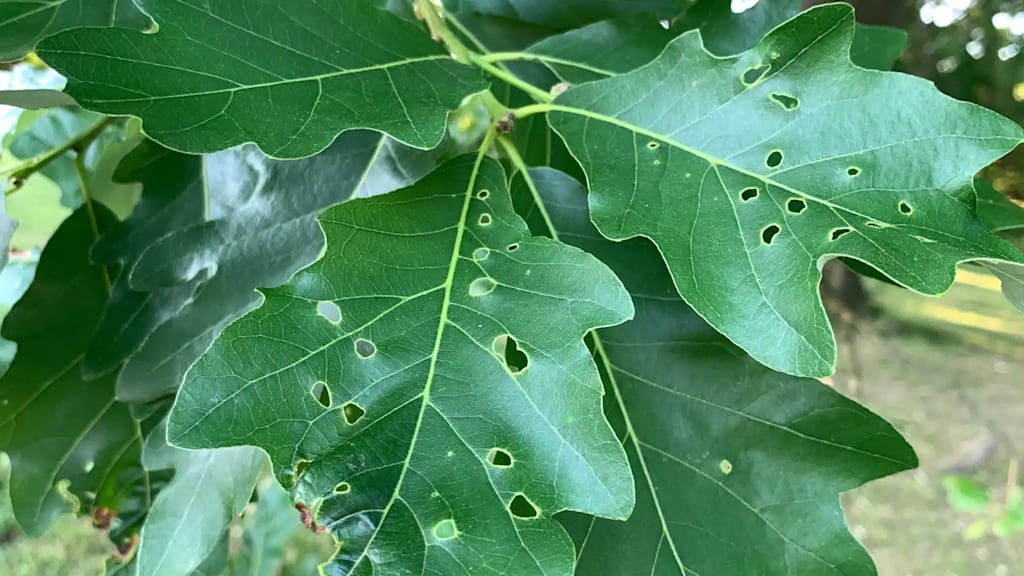
Every summer, after a severe storm sweeps through a suburban neighborhood, a familiar sound fills the air: the roar of chainsaws. Homeowners step outside to assess the damage. A heavy oak limb rests across a fence; a dying pine leans toward a roofline. For decades, this reactive loop was accepted as an inevitable part of owning mature trees. A branch dies, you trim it. A tree becomes dangerous, you pay to cut it down.
On the surface, this approach feels sensible because you only spend money when a visible problem appears. But from both a biological and financial perspective, playing defense with your landscape is the most expensive way to handle your trees. By the time a tree displays visible structural failure or severe canopy loss, you are no longer managing a living asset—you are paying for emergency damage control.
The Biological Reality of Suburban Stress
To understand why landscape trees fail, it helps to look at where they grow. Trees in natural forests thrive because decaying leaf litter creates rich, loose topsoil packed with organic nutrients and beneficial microbes. Suburban trees live in a completely different world. We rake away leaf litter, pack the soil tight with heavy lawnmowers, and let winter road salt wash into root zones.
Restricted root spaces, compacted clay, and intense pavement heat create constant, hidden stress. When you combine these environmental factors with localized biological threats—such as the emerald ash borer, spongy moths, or fungal pathogens like oak wilt—an unmonitored canopy can degrade rapidly beneath the surface.
The Shift to Plant Health Care
This is where the discipline of Plant Health Care (PHC) changes the paradigm. Rather than reacting to visible decay after damage occurs, PHC treats trees as dynamic, living systems that require ongoing preventative support.
Transitioning to a proactive management strategy offers several distinct advantages:
Early Pest Identification: Invasive insects work quietly beneath the bark. Regular monitoring catches infestations before they destroy the tree's vascular system.
Customized Soil Nutrition: Soil profiles vary dramatically across regional boundaries. Heavy clay soils require a completely different approach than sandier ground. Soil testing paired with deep-root fertilization delivers exact nutrients straight to the subsoil where roots feed.
Structural Storm Resilience: Balanced growth regulation and timely health treatments strengthen internal wood structure, making major limbs far less likely to snap under heavy summer winds or winter ice accumulation.
Targeted Eco-Friendly Care: Modern care relies on Integrated Pest Management (IPM). Instead of blanket spraying chemicals, IPM uses precise, eco-conscious treatments to target specific pests while protecting beneficial pollinators.
Preserving Property Value: Mature, vibrant trees can increase real estate valuation by 3% to 15%. Protecting canopy health safeguards that long-term equity.
Predictable Cost Savings: Small, routine health investments are exponentially cheaper than paying for complex emergency removals and structural repairs after a collapse.
Practical Field Protocols
Proactive tree care involves specific, seasonally timed treatments tailored to tree species and environmental demands. High-pressure air tools break up dense, compacted dirt around root zones without hurting delicate root bark, instantly restoring oxygen and water flow. Deep-root liquid fertilizations and mycorrhizal inoculations introduce beneficial fungi that fuse with roots, expanding their surface area for nutrient absorption.
During late autumn, protective anti-desiccant sprays lock moisture into evergreen foliage to shield needles from drying winter winds. In late winter, eco-friendly dormant oils coat tree bark to suffocate overwintering insect eggs. Simple procedures like root collar excavation—clearing excess dirt and heavy mulch away from the trunk base—expose the natural root flare and correct strangling girdling roots before they choke the tree.
Preserving Living Assets
Trees are not static outdoor furniture; they are complex biological assets that respond continuously to their environment. Shifting your mindset from emergency chainsaw visits to thoughtful, preventative care preserves canopy health, keeps maintenance costs predictable, and ensures your landscape remains vibrant for generations.
About the Creator
ORB Tree Service Marketing
ORB Tree Service Marketing provides SEO and local search strategies for the tree care and roofing industries. Follow us for insights on search optimization and lead generation for home services.
Enjoyed the story? Support the Creator.
Subscribe for free to receive all their stories in your feed.
Comments
There are no comments for this story
Be the first to respond and start the conversation.