
The Global Water Crisis in 2026: Why Fresh Water Is Becoming the World’s Most Valuable Resource
Growing populations, climate change, and rising demand are putting unprecedented pressure on the planet’s freshwater supplies.
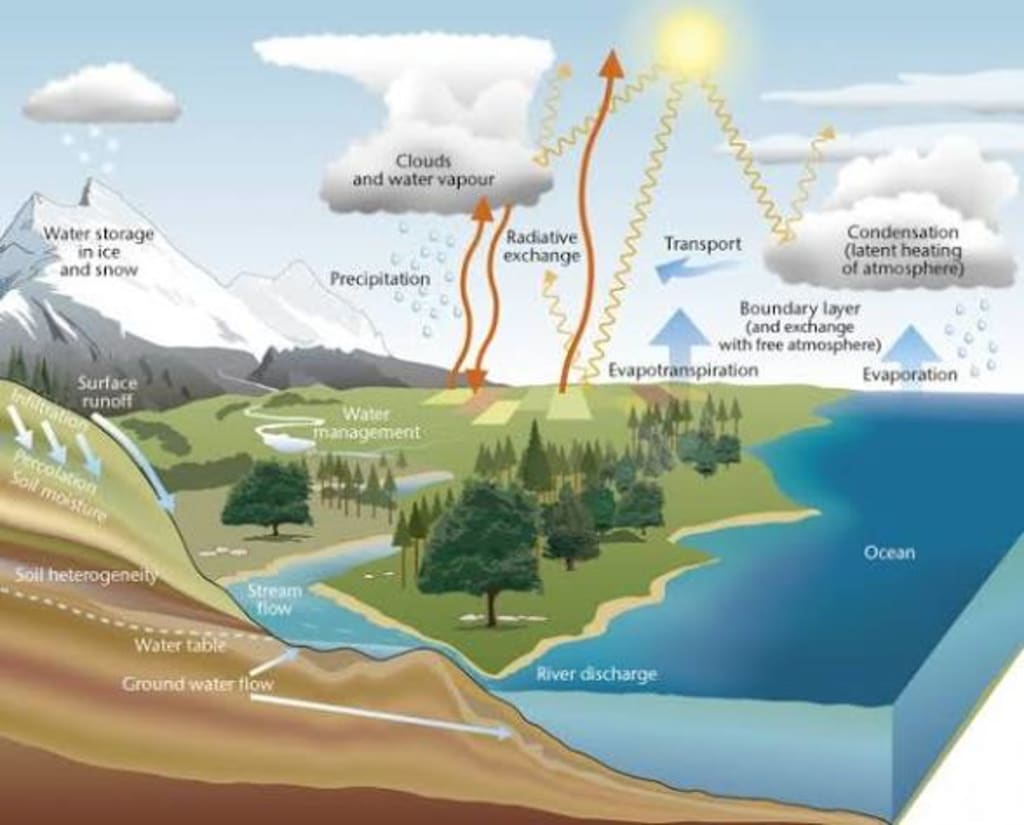
Water is one of the most essential resources for life, yet billions of people around the world are facing increasing challenges in accessing clean and reliable freshwater supplies. In 2026, experts warn that water scarcity is becoming one of the most significant global issues of the century. As populations grow, climate patterns change, and demand increases, many regions are struggling to secure enough water for households, agriculture, and industry.
The global water crisis is not simply a problem of insufficient rainfall. It is a complex issue involving climate change, infrastructure, pollution, population growth, and resource management. While Earth is often called the "blue planet," only a small percentage of its water is suitable for human consumption.
Freshwater resources are under growing pressure. Rivers, lakes, reservoirs, and underground aquifers provide drinking water for communities worldwide, but many of these sources are being depleted faster than they can naturally recover. In some regions, excessive water extraction has led to falling groundwater levels and environmental damage.
Climate change is playing a major role in worsening water shortages. Rising global temperatures increase evaporation rates, making droughts more severe and reducing water availability in vulnerable areas. At the same time, changing weather patterns can cause extreme rainfall events that lead to flooding rather than replenishing long-term water supplies.
Many countries are already experiencing the effects of water stress. Parts of Africa, Asia, the Middle East, and even developed nations have faced challenges related to drought and declining water resources. In some communities, residents must travel long distances to collect clean water for daily use.
Agriculture is the largest consumer of freshwater globally. Farmers rely on water to grow crops and support livestock production. As water becomes scarcer, agricultural productivity can decline, affecting food supplies and increasing prices. Experts warn that future food security may depend heavily on effective water management.
Urbanization is also contributing to the crisis. Rapidly growing cities require enormous amounts of water for homes, businesses, transportation systems, and public services. In many areas, infrastructure has struggled to keep pace with population growth.
Water pollution remains another major concern. Industrial waste, agricultural runoff, plastic contamination, and untreated sewage can make freshwater sources unsafe for human use. Cleaning polluted water often requires expensive treatment systems that are not available everywhere.
The economic consequences of water shortages can be significant. Businesses depend on reliable water supplies for manufacturing, energy production, agriculture, and countless other activities. Water scarcity can reduce productivity, increase costs, and discourage investment.
Energy production is closely linked to water availability. Many power plants require large amounts of water for cooling and operations. As water resources become more limited, energy systems may face additional challenges.
Governments around the world are investing in solutions to address water scarcity. Desalination plants, water recycling systems, smart irrigation technologies, and improved infrastructure are among the strategies being used to increase efficiency and secure future supplies.
Technology is playing an increasingly important role. Advanced sensors, artificial intelligence, and data analytics help utilities monitor water usage, detect leaks, and improve resource management. These innovations can reduce waste and support sustainable water practices.
Conservation efforts have also become a priority. Experts encourage households and businesses to adopt water-saving habits, such as repairing leaks, using efficient appliances, and reducing unnecessary consumption. Small changes can collectively have a significant impact.
International cooperation is essential because many rivers and water systems cross national borders. Countries must work together to manage shared resources and prevent conflicts related to water access. Diplomatic agreements and regional partnerships are becoming increasingly important.
Environmental organizations emphasize the need to protect natural ecosystems. Wetlands, forests, and watersheds play critical roles in maintaining healthy water cycles. Conservation efforts can help improve water quality and support long-term sustainability.
Public awareness of water issues has grown in recent years. More people are recognizing that water security affects health, food production, economic development, and environmental stability. Educational campaigns are helping communities understand the importance of responsible water use.
Experts predict that water demand will continue rising as the global population grows. By mid-century, billions more people may require access to freshwater resources, increasing pressure on already strained systems.
Despite these challenges, there are reasons for optimism. Technological innovation, improved policies, sustainable practices, and international collaboration can help address many water-related problems. Success will depend on long-term planning and responsible resource management.
The global water crisis serves as a reminder that freshwater is one of humanity’s most valuable resources. Protecting and managing it effectively will be essential for future generations.
As 2026 continues, governments, businesses, and individuals face a shared responsibility: ensuring that clean, reliable water remains available for communities around the world. The choices made today will influence global water security for decades to come.
About the Creator
Enjoyed the story? Support the Creator.
Subscribe for free to receive all their stories in your feed.
Comments
There are no comments for this story
Be the first to respond and start the conversation.