
The Enchanting World of Floriculture
Unraveling the Beauty and Science of Flowers
Introduction
"Flowers are nature's poetry, whispering beauty with every delicate petal."
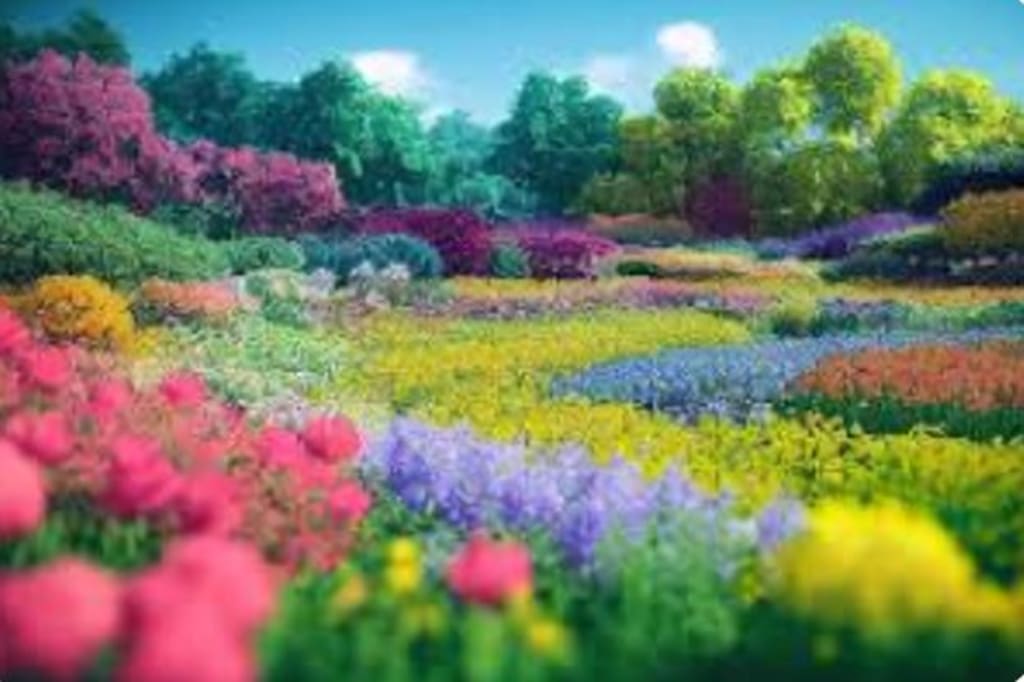
Flowers have fascinated humankind for centuries, captivating us with their vibrant hues, delicate fragrances, and astonishing diversity. Beyond their aesthetic appeal, flowers play a pivotal role in ecological balance, human emotions, and economic sectors. This article explores the wondrous world of floriculture, shedding light on the botanical intricacies, cultivation techniques, and the significance of flowers in various aspects of human life.
Botanical Anatomy: A Blossoming Marvel
"A single flower can ignite a thousand emotions, painting joy and serenity on the canvas of our hearts."
At the core of every flower lies an intricate botanical structure designed for reproductive purposes. Flowers consist of various parts, including the petal, sepal, pistil, and stamen, each contributing to the overall beauty and functionality of the bloom. The petals serve as a visual enticement for pollinators, while the pistil and stamen are essential in the process of pollination and fertilization. Understanding these fundamental components is crucial for floriculturists in optimizing breeding programs and developing new floral varieties.
Cultivation Techniques: Nurturing Nature's Artistry
"As seasons change, flowers remind us that growth and renewal are an eternal dance of nature."
The successful cultivation of flowers requires a careful balance of horticultural expertise and environmental factors. Floriculturists employ cutting-edge techniques such as hydroponics, tissue culture, and grafting to propagate and cultivate flowers with enhanced attributes, including color variations, disease resistance, and prolonged blooming periods. Additionally, controlled environments, such as greenhouses, play a pivotal role in extending the growing season and ensuring year-round availability of these floral delights
Economic Impact: Petals to Profit
"Like stars in a cosmic garden, flowers illuminate the universe with their radiant colors.
Floriculture is not merely a pursuit of beauty; it is also a thriving industry with substantial economic significance. The global flower market spans an extensive range of products, including cut flowers, potted plants, and floral arrangements. The demand for flowers in various cultural and commercial events, such as weddings, funerals, and celebrations, has led to a multi-billion-dollar industry that supports livelihoods for countless growers, distributors, and retailers worldwide.
Environmental Benefits: Blooming for Biodiversity
"To cherish a flower is to embrace the fleeting beauty of life and find solace in its ephemerality."
Beyond their aesthetic value, flowers contribute to the preservation of biodiversity and ecological balance. These delicate blooms serve as crucial habitats and food sources for diverse insect species, especially pollinators such as bees, butterflies, and hummingbirds. By promoting the growth and sustenance of these pollinators, flowers indirectly support the health and productivity of numerous ecosystems, ensuring the continued propagation of various plant species.
Symbolism and Culture: Expressing Emotions Through Flowers
"A bouquet of flowers is a timeless gesture, expressing emotions that words struggle to convey."
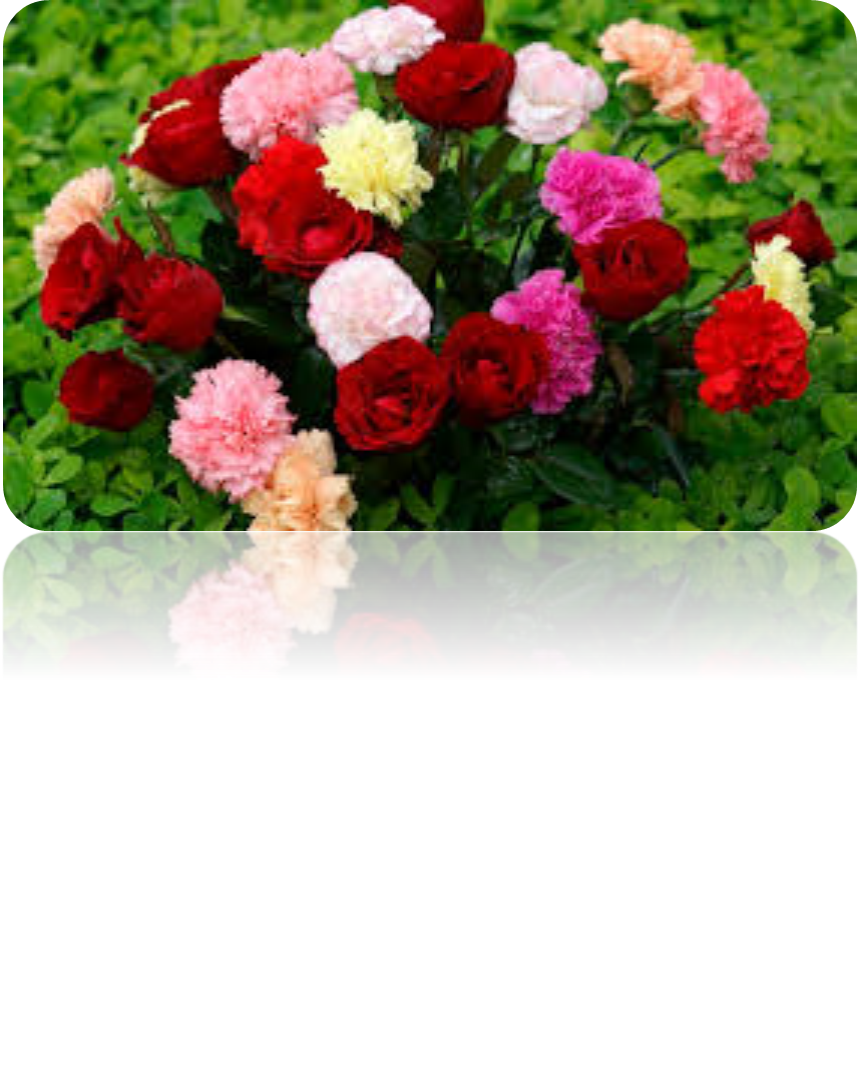
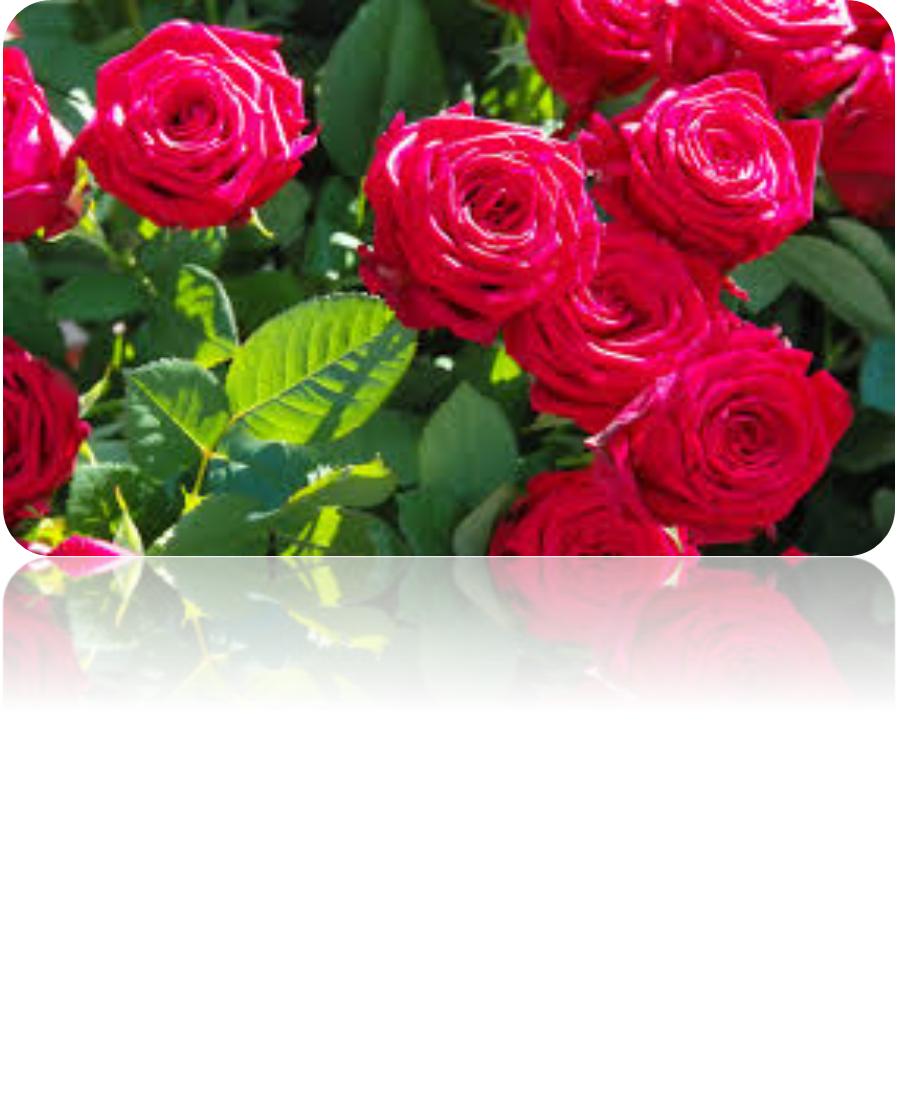
Throughout history, flowers have held deep symbolic meanings in various cultures. From the symbolic red rose representing love and passion to the white lily symbolizing purity and renewal, flowers are often used to convey emotions and sentiments. Floral arrangements play a central role in celebrations, ceremonies, and rituals across the world, reflecting the significance of these blooms in the tapestry of human emotions and cultural expressions.
Conclusion
"With petals as soft as dreams, flowers bring comfort to weary hearts."
Floriculture remains an artful blend of science, aesthetics, and culture that continues to enchant and enrich our lives. The study and cultivation of flowers reveal the fascinating intricacies of botanical life while offering a myriad of practical applications. As we delve deeper into the realm of floriculture, we gain a greater appreciation for these botanical wonders that not only grace our gardens and homes but also play a vital role in sustaining our ecosystem and connecting us to the depths of human emotion. So, the next time you admire a blossoming flower, remember that it represents not just nature's artistry, but also a rich tapestry of human history and emotion.

About the Creator
Enjoyed the story? Support the Creator.
Subscribe for free to receive all their stories in your feed.
Comments
There are no comments for this story
Be the first to respond and start the conversation.