
THE EARTH'S FORESTS
Guardians of Life and Biodiversity
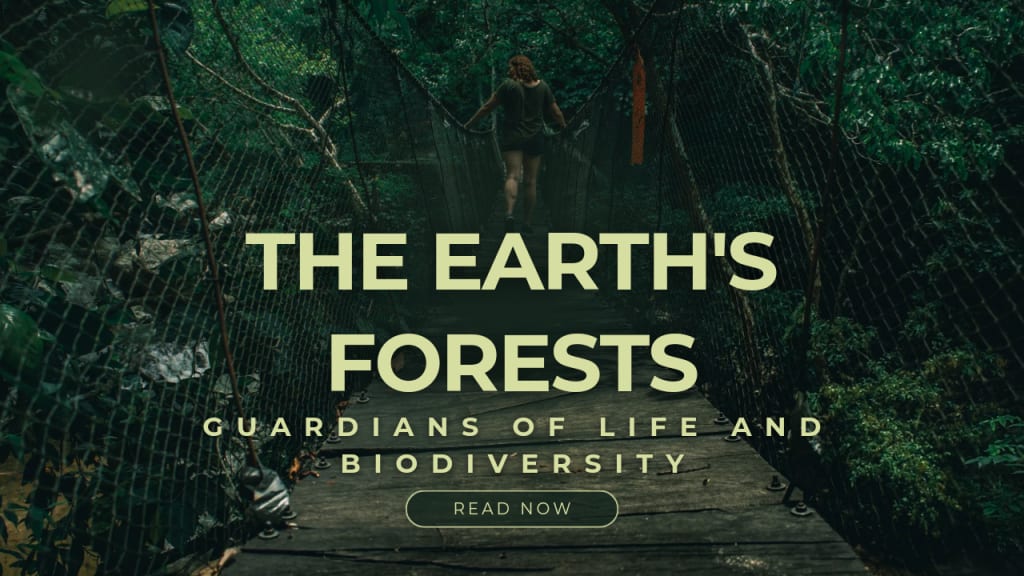
Woods are perhaps one of the most glorious and essential biological systems on The planet, covering around 31% of the planet's property region. These rich green spans are stunningly lovely as well as assume a vital role in supporting life, saving biodiversity, moderating environmental change, and giving important assets to human social orders. Earth's timberlands are a fundamental piece of our worldwide environment, and their preservation and insurance are vital for the prosperity of both nature and mankind.
Variety and Overflow:
Earth's timberlands are unbelievably different, with an immense range of plant and creature species existing together in multifaceted biological connections. From the transcending trees of the Amazon rainforest to the thick wildernesses of Southeast Asia and the boreal woods of Canada and Russia, each woodland type harbors exceptional species adjusted to its particular circumstances.
Biodiversity in woodlands is fundamental for biological equilibrium and versatility. Plants, creatures, and microorganisms inside these biological systems are interconnected, shaping complex food networks and environmental specialties. This complicated trap of life guarantees the strength and maintainability of the woodland climate.
Biological System Administrations:
Backwoods provide a huge number of biological system benefits that are irreplaceable for life on The planet. One of the most fundamental processes is oxygen creation. Through the course of photosynthesis, trees assimilate carbon dioxide and deliver oxygen, contributing altogether to the World's oxygen supply and assisting the environment in evolving.
Woods additionally act as carbon sinks, sequestering immense amounts of carbon dioxide from the climate. Be that as it may, deforestation and timberland debasement can prompt the arrival of put-away carbon, compounding environmental change.
Also, forests control nearby and worldwide environments by impacting temperature, precipitation, and moisture. They act as regular climate control systems, cooling the climate and lessening the metropolitan intensity of island impacts.
Biodiversity Areas of Interest:
Certain timberlands all over the planet are perceived as biodiversity areas of interest, regions with uncommonly elevated degrees of species lavishness and endemism, as well as huge dangers to their reality. These areas of interest, like the Amazon rainforest and the Congo Bowl, are of specific significance for preservation endeavors. Saving these regions is critical not just for the bunch of plant and creature species they cover but additionally for the customary networks and native individuals who depend on these woods for their occupations.
Social and Otherworldly Importance:
Woods hold profound social and otherworldly importance for some native and nearby networks around the world. They are often thought of as consecrated places, holding tribal information and laying the groundwork for social practices and conviction frameworks. The association between these networks and the timberland environments they possess is a demonstration of the close connection between people and nature.
Difficulties and Dangers:
Regardless of their huge environmental significance, Earth's forests face various difficulties and dangers. Deforestation, driven fundamentally by human activities like farming, logging, mining, and urbanization, is the main danger. The deficiency of woodlands not only results in the immediate expulsion of trees but also upsets whole environments and can prompt irreversible changes in biodiversity.
Wood corruption, brought about by factors like contamination, intrusive species, and environmental change, likewise represents a critical concern. In addition, unlawful logging and natural-life poaching contribute to the annihilation of timberlands and compromise numerous weak species.
Environmental change is another significant danger to timberlands. Climbing temperatures, modified precipitation designs, and the expanded recurrence of outrageous climate occasions can pressure woodland biological systems and make them more defenseless to infections, bugs, and rapidly spreading fires.
Protection and Feasible Administration:
To safeguard and save Earth's timberlands, a mix of protection endeavors and feasible backwoods that the executives rehearse is essential. Preservation drives ought to zero in on shielding biodiversity areas of interest, safeguarding regions, and supporting the freedoms and information on native and neighborhood networks.
Economical administration includes tracking down a harmony between addressing the necessities of the present and people in the future while guaranteeing the wellbeing and flexibility of backwoods environments. This incorporates capable logging rehearsals, reforestation endeavors, and advancing the utilization of elective materials to diminish the interest in lumber and paper items.
Individurlands are a fundamental piece of our worldwide environment, and their preservation and insurance are vital for the prosperity of both nature and mankind.
Variety and Overflow:
Earth's timberlands are unbelievably different, with an immense range of plant and creature species existing together in multifaceted biological connections. From the transcending trees of the Amazon rainforest to the thick wildernesses of Southeast Asia and the boreal woods of Canada and Russia, each woodland type harbors exceptional species adjusted to its particular circumstances.
Biodiversity in woodlands is fundamental for biological equilibrium and versatility. Plants, creatures, and microorganisms inside these biological systems are interconnected, shaping complex food networks and environmental specialties. This complicated trap of life guarantees the strength and maintainability of the woodland climate.
Biological System Administrations:
Backwoods provide a huge number of biological system benefits that are irreplaceable for life on The planet. One of the most fundamental processes is oxygen creation. Through the course of photosynthesis, trees assimilate carbon dioxide and deliver oxygen, contributing altogether to the World's oxygen supply and assisting the environment in evolving.
Woods additionally act as carbon sinks, sequestering immense amounts of carbon dioxide from the climate. Be that as it may, deforestation and timberland debasement can prompt the arrival of put-away carbon, compounding environmental change.
Also, forests control nearby and worldwide environments by impacting temperature, precipitation, and moisture. They act as regular climate control systems, cooling the climate and lessening the metropolitan intensity of island impacts.
Biodiversity Areas of Interest:
Certain timberlands all over the planet are perceived as biodiversity areas of interest, regions with uncommonly elevated degrees of species lavishness and endemism, as well as huge dangers to their reality. These areas of interest, like the Amazon rainforest and the Congo Bowl, are of specific significance for preservation endeavors. Saving these regions is critical not just for the bunch of plant and creature species they cover but additionally for the customary networks and native individuals who depend on these woods for their occupations.
Social and Otherworldly Importance:
Woods hold profound social and otherworldly importance for some native and nearby networks around the world. They are often thought of as consecrated places, holding tribal information and laying the groundwork for social practices and conviction frameworks. The association between these networks and the timberland environments they possess is a demonstration of the close connection between people and nature.
Difficulties and Dangers:
Regardless of their huge environmental significance, Earth's forests face various difficulties and dangers. Deforestation, driven fundamentally by human activities like farming, logging, mining, and urbanization, is the main danger. The deficiency of woodlands not only results in the immediate expulsion of trees but also upsets whole environments and can prompt irreversible changes in biodiversity.
Wood corruption, brought about by factors like contamination, intrusive species, and environmental change, likewise represents a critical concern. In addition, unlawful logging and natural-life poaching contribute to the annihilation of timberlands and compromise numerous weak species.
Environmental change is another significant danger to timberlands. Climbing temperatures, modified precipitation designs, and the expanded recurrence of outrageous climate occasions can pressure woodland biological systems and make them more defenseless to infections, bugs, and rapidly spreading fires.
Protection and Feasible Administration:
To safeguard and save Earth's timberlands, a mix of protection endeavors and feasible backwoods that the executives rehearse is essential. Preservation drives ought to zero in on shielding biodiversity areas of interest, safeguarding regions, and supporting the freedoms and information on native and neighborhood networks.
Economical administration includes tracking down a harmony between addressing the necessities of the present and people in the future while guaranteeing the wellbeing and flexibility of backwoods environments. This incorporates capable logging rehearsals, reforestation endeavors, and advancing the utilization of elective materials to diminish the interest in lumber and paper items.
al Activity and Worldwide Cooperation:
Everybody can add to the wood's protection to their own ability. Supporting associations dealing with timberland insurance, lessening paper and wood utilization, and settling on practical shopping decisions are some of the ways in which people can help.
A worldwide joint effort is also fundamental. States, worldwide associations, and organizations should cooperate to carry out approaches and drives that advance backwoods protection and battle deforestation and corruption. Moreover, supporting feasible practices and giving monetary motivation to preservation can play an essential role in safeguarding these fundamental biological systems.
Conclusion
Earth's timberlands are indispensable fortunes that support life, protect biodiversity, and relieve environmental change. They are "lungs" that give oxygen, yet they are also many-sided environments overflowing with life and culture. As stewards of this planet, it is our obligation to safeguard and moderate these crucial environments for future generations. By perceiving the meaning of woods and making an aggregate move, we can guarantee that these superb scenes proceed to flourish and act as the gatekeepers of life on The planet.
About the Creator
Enjoyed the story? Support the Creator.
Subscribe for free to receive all their stories in your feed.
Comments
There are no comments for this story
Be the first to respond and start the conversation.