
The Biology of Pruning: Why Timing Dictates Southern Tree Health
Understanding the old wood versus new wood rule saves spring blooms across Georgia and Tennessee.

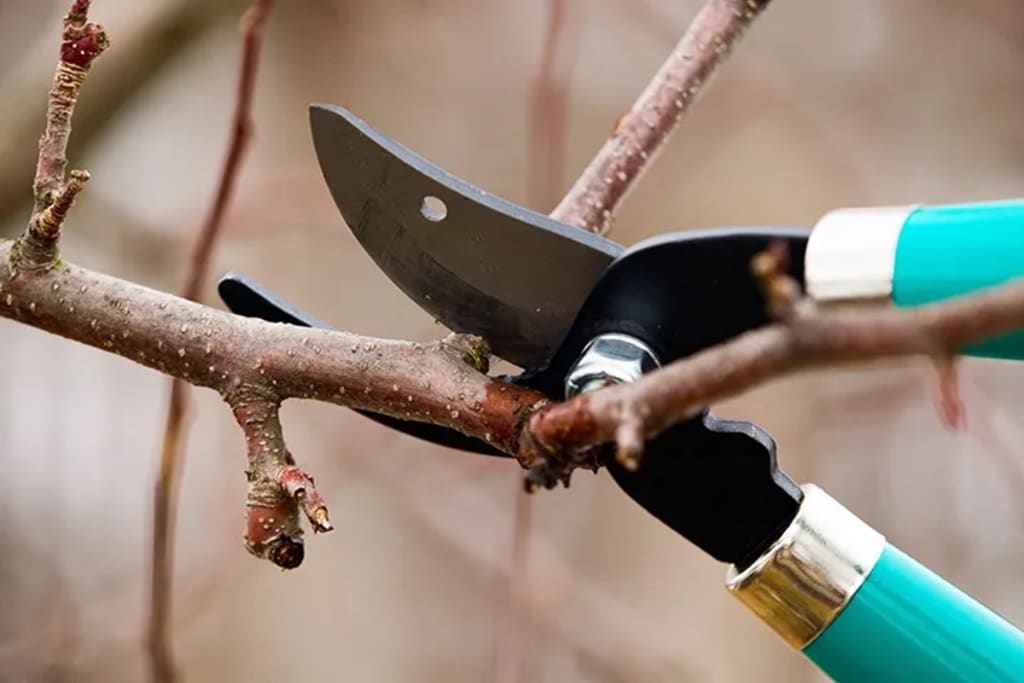
Every March across neighborhoods in the Southeast, a familiar scenario plays out. Homeowners step into their yards expecting a vibrant canopy of pink, white, and purple blossoms, only to find bare, blunt-cut branches. The trees look more like broom handles stuck in the ground than the lush landscape hallmark of classic Southern springs.
When asked what happened, the story is almost always the same. During a mild, warm weekend in December or January, someone pulled out the hand loppers to tidy up the yard.
While trimming overgrown branches feels like routine weekend maintenance, cutting at the wrong time strips away an entire year of growth. In the humid, warm climate of the Southeast, pruning is an active biological intervention. Knowing when to cut—and when to put the tools away—comes down to understanding how your trees manage energy and set their flower buds.
The Foundation: Old Wood vs. New Wood
To prune with confidence, you only need to master one core rule: determining whether a plant blooms on old wood or new wood.
Trees that bloom on old wood set their floral buds during the previous summer. Species like Dogwoods, Redbuds, Flowering Cherries, Saucer Magnolias, and Star Magnolias spend August and September building the buds that open the following spring. Those delicate buds rest dormant on branches throughout winter, waiting for warming soil temperatures. Trimming these species during autumn or winter shears off next year’s flowers before they ever open. For old-wood species, enjoy the blossoms first, then prune immediately after the flowers drop in late spring.
Conversely, trees that bloom on new wood construct flower buds on fresh shoots produced during the current growing season. Species like Crape Myrtles and Vitex fall into this category. For these plants, late-winter pruning while the tree remains dormant encourages vigorous spring growth, which is precisely where summer flowers develop.
Species-Specific Guidelines
Applying this biological framework effectively requires recognizing how individual tree species react to cuts:
Dogwoods: Take a delicate touch. Heavy pruning stresses dogwood trees and attracts wood-boring insects. Keep cuts minimal, focusing on removing deadwood and crossing branches that rub together. Always preserve the tree's natural, horizontal branching habit.
Magnolias: Saucer and Star Magnolias heal slowly compared to other hardwoods. Over-pruning triggers "water sprouts"—fast-growing, unsightly vertical shoots that ruin the natural canopy and weaken overall structure. Be surgical and conservative when removing limbs.
Crape Myrtles: Avoid "Crape Murder," the widespread habit of chopping off the main upper trunks. This practice creates ugly knuckles, weakens branch strength, and invites fungal rot. Stick to the pencil-width rule: trim base suckers, clear inward branches, and only cut twigs thinner than a standard pencil.
Hydrangeas: Bigleaf varieties bloom on old wood and need post-bloom summer trimming. Panicle varieties bloom on new wood and respond best to late-winter cuts.
Sanitation and Structural Safety
Beyond seasonal timing, maintaining long-term plant health requires basic hygiene and safety awareness:
The 3 Ds Rule: Dead, Damaged, or Diseased branches can be removed at any time of year. Removing compromised wood prevents rot and pests from migrating into the central trunk.
Sterilize Your Tools: Southern humidity fuels fungal pathogens like anthracnose. Always wipe pruning blades with rubbing alcohol between plants to avoid transferring harmful infections across your yard.
Know Your Physical Limits: Ground-level trimming is great exercise. However, if a branch is thicker than your arm, sitting near utility lines, or requires climbing a ladder, bring in a certified arborist. Heavy limbs drop unpredictably and present serious physical hazards to homeowners and property.
Protecting Your Landscape Investment
By matching your pruning schedule to your tree's natural growth cycle, you protect its structural integrity, prevent disease, and ensure a full display of blooms season after season. Put down the loppers during winter, respect the natural bud cycle, and let plant biology work for you.
About the Creator
ORB Tree Service Marketing
ORB Tree Service Marketing provides SEO and local search strategies for the tree care and roofing industries. Follow us for insights on search optimization and lead generation for home services.
Enjoyed the story? Support the Creator.
Subscribe for free to receive all their stories in your feed.
Comments
There are no comments for this story
Be the first to respond and start the conversation.