
Ten Animals With Abilities That Seem Supernatural
Nature has already invented superpowers.


The Immortal Jellyfish
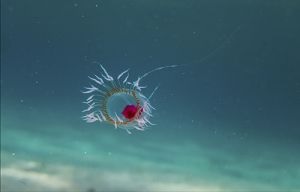
The immortal jellyfish (Turritopsis dohrnii) is a tiny, biologically immortal hydrozoan that can revert to its juvenile polyp stage when faced with environmental stress, physical damage, or aging.
Key Facts:
• Size: About 4.5 mm (the size of a pinky fingernail).
• Anatomy: Transparent bell-shaped body with a bright red stomach and up to 80–90 tentacles; lacks a brain, heart, or central nervous system.
• Habitat: Originated in the Mediterranean Sea and now found in temperate and tropical coastal waters worldwide.
• Diet: Carnivorous, feeding on plankton, fish eggs, and small larvae.
How the Life Cycle Reversal Works:
• Transdifferentiation: When threatened, the adult medusa collapses into a cyst-like ball on the ocean floor. Specialized cells (like those for swimming or digestion) un-specialize and transform back into stem cells, effectively resetting the biological clock.
• Regeneration: The cyst develops into a new polyp colony, which then buds off genetically identical, free-swimming medusae.
• Vulnerability: While it can repeat this cycle indefinitely to avoid dying of old age, it is not invincible and can still succumb to diseases or predators like fish, sea slugs, and sea turtles.
The Mantis Shrimp’s 16 Color Receptors

Mantis shrimp possess between 12 and 16 total photoreceptor classes in their compound eyes, which is far more than the three color receptors (red, green, and blue) found in human eyes.
How the 16 Receptors Work:
• The Breakdown: Typically, their eyes feature 12 narrow-band color receptors (covering wavelengths from about 300 nm in the deep ultraviolet to 720 nm in the far red) plus 4 specialized receptors dedicated to detecting polarized light.
• The Midband Structure: Most of this spectral machinery sits in a specialized central strip of the eye called the midband, split into parallel rows for color and polarization.
• UV Filtering: Many of their ultraviolet classes are created using only a couple of underlying protein types, altered by natural internal pigment filters (mycosporine-like amino acids) that act like stacked sunglasses.
More Receptors Does Not Mean Better Color Shading:
• Sequential Processing: Unlike humans—who smoothly mix signals from three cone types in the brain to distinguish millions of subtle color shades—mantis shrimp process color more simply and sequentially, scanning specific wavelengths with individual cells.
• Speed Over Discrimination: Because of this setup, studies (such as research from the University of Queensland published in Science) show that mantis shrimp actually have worse color-shading discrimination than humans (failing to tell apart close shades like orange and yellow-orange).
• The Real Superpower: Their high number of channels allows for lightning-fast recognition of vital signals, deep UV tracking, and the rare ability to detect circularly polarized light, helping them hunt prey and communicate underwater without needing a massive brain to compute it.
The Axolotl’s Regeneration

Axolotls can completely and scarlessly regenerate entire lost limbs, their tail, spinal cord, heart tissue, parts of the brain, and lower jaws.
How Axolotl Regeneration Works:
• Wound Healing: After an injury, skin cells rapidly migrate to cover the exposed surface, forming a thin layer called the wound epithelium without leaving scar tissue.
• Blastema Formation: Local mature cells (such as connective tissue cells) de-differentiate—meaning they temporarily revert to an embryonic, stem-cell-like state—to form a mass of progenitor cells called the blastema right under the skin.
• Patterning and Regrowth: The blastema cells multiply and receive positional signals (guided by molecules like retinoic acid and signaling pathways like Wnt and BMP) to determine what part of the body was lost (e.g., whether a whole arm or just a hand).
• Differentiation: The cells re-differentiate into specialized bone, muscle, nerve, and blood vessel cells, stopping growth precisely when the structure is fully restored.
What They Can Regrow:
• Limbs and Digits: Complete, functional legs or arms with exact bones and muscles.
• Spinal Cord and Tail: Full restoration of the spinal architecture and tissue.
• Organs and Brain: Portions of the heart, ovaries, lower jaw, and up to a third of the brain.
Science and Human Research
Researchers at institutions like Northeastern University and Harvard University study axolotl genetics (such as shared genes like Shox) to understand how to switch on similar tissue-repair pathways in humans, moving closer to reducing severe scarring and improving post-traumatic healing.
The Pistol Shrimp’s Sonic Boom Claw
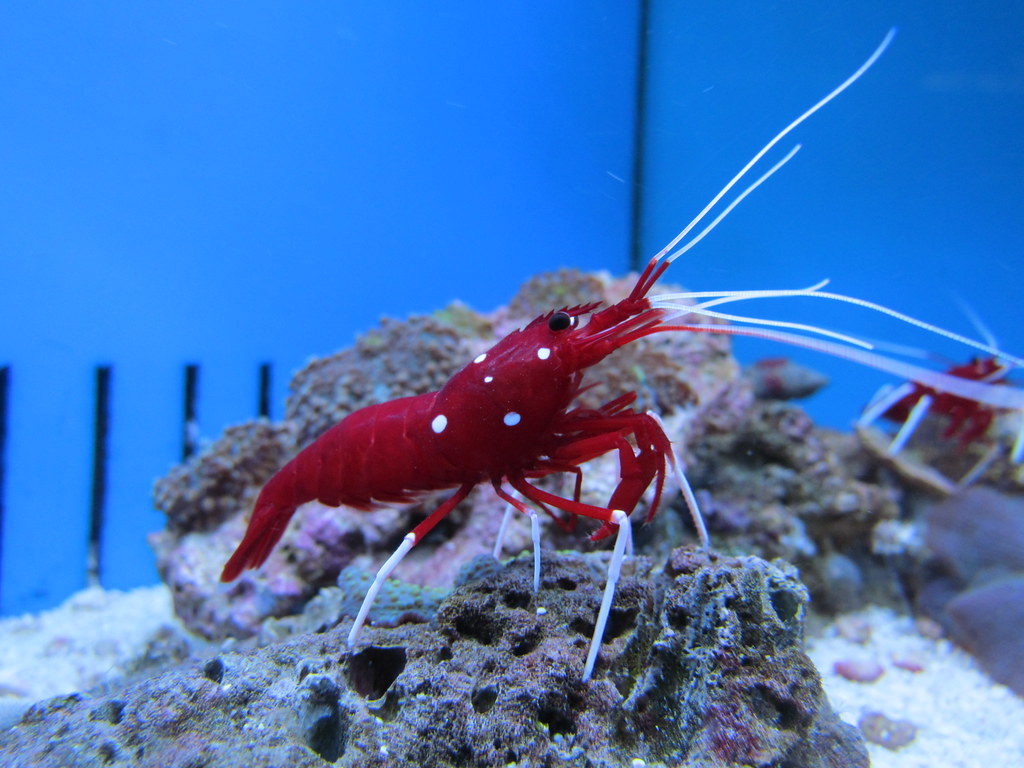
The pistol shrimp uses a specialized, oversized front claw as a high-speed sonic weapon to hunt prey and defend itself.
How the Claw Works:
• The Plunger Mechanism: The large claw acts like a cocked pistol. A specialized plunger-like projection on one side of the claw locks open, building up high muscular tension.
• High-Speed Snap: When the shrimp releases the claw, it snaps shut in a fraction of a millisecond (about 15 microseconds).
• Cavitation Bubble: The snap forces a jet of water out at nearly 100 km/h (62 mph), creating a low-pressure vapor cavity known as a cavitation bubble.
• The Implosion: As the bubble violently collapses, it releases a massive shock wave, a loud snap, a brief flash of light (sonoluminescence), and temperatures inside the bubble that briefly approach 4,700°C (comparable to the surface of the sun).
Key Stats and Effects:
• Loudness: The snap reaches over 200 to 210 decibels underwater—louder than a gunshot or a jet engine.
• Impact on Prey: The resulting pressure pulse stuns, knocks out, or kills small fish and crabs without the shrimp ever needing to make direct physical contact.
• Military Interruption: Large colonies of pistol shrimp create a crackling underwater background noise that has historically interfered with or masked submarine sonar and hydrophone communications.
The Tardigrade’s Space Survival
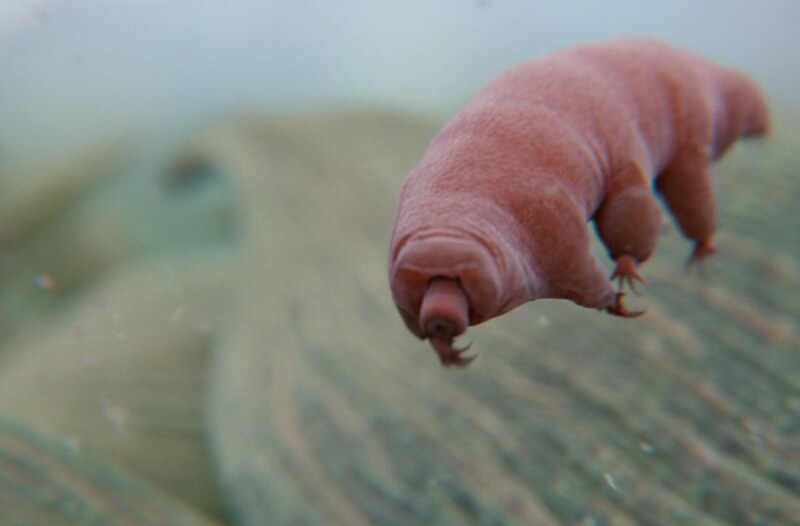
Tardigrades (water bears) survive the harsh conditions of outer space by entering a state of suspended animation and using unique cellular defenses.
Key Survival Mechanisms:
• Cryptobiosis (The "Tun" State): They expel roughly 97% of their body water and curl into a shriveled ball called a "tun," dropping their metabolism to about 0.01% to 0.1% of normal levels.
• Cellular Vitrification: They flood their cells with special proteins and sugars (like trehalose) that turn the remaining internal liquid into a glass-like matrix, protecting internal structures from extreme temperature shifts.
• DNA Damage Suppressor (Dsup): They produce a unique protein that acts as a physical shield around their DNA, allowing them to withstand ionizing radiation hundreds to thousands of times higher than a human lethal dose.
• Antioxidant Production: They synthesize molecules like betalains to neutralize reactive oxygen species caused by cosmic and solar rays.
Real Space Missions:
• Foton-M3 (2007): The European Space Agency sent species like Milnesium tardigradum into low-Earth orbit for 10 days, exposing them to the vacuum and solar UV radiation. Most survived and successfully rehydrated and reproduced back on Earth.
• International Space Station (2011): Tardigrades flew on STS-134 to test responses to microgravity and space radiation.
• Beresheet Moon Lander (2019): An Israeli lunar lander carrying a payload of dried tardigrades crashed on the Moon, meaning dormant water bears likely reside on the lunar surface.
The Platypus’s Electrolocation

The platypus uses a specialized electric sixth sense called electroreception to find food underwater in complete darkness.
How It Works:
• Closed Senses: When diving into murky rivers or streams, the platypus completely shuts its eyes, ears, and nose, making it functionally blind, deaf, and unable to smell.
• Bill Receptors: Its sensitive, leather-like bill acts as an underwater antenna lined with roughly 40,000 electroreceptors and tens of thousands of touch-sensitive push-rod mechanoreceptors.
• Detecting Prey: Every living animal emits tiny electrical fields and muscle-contraction pulses when it moves. The platypus's bill can pick up these faint DC and AC signals as low as 20 microvolts.
• Locating the Target: The platypus swims while sweeping its head side-to-side like a scanner. It compares the signal strength to find the direction and measures the micro-delay between fast electrical pulses and slower mechanical water-displacement signals to calculate the exact distance to the prey.
The Bombardier Beetle’s Chemical Cannon
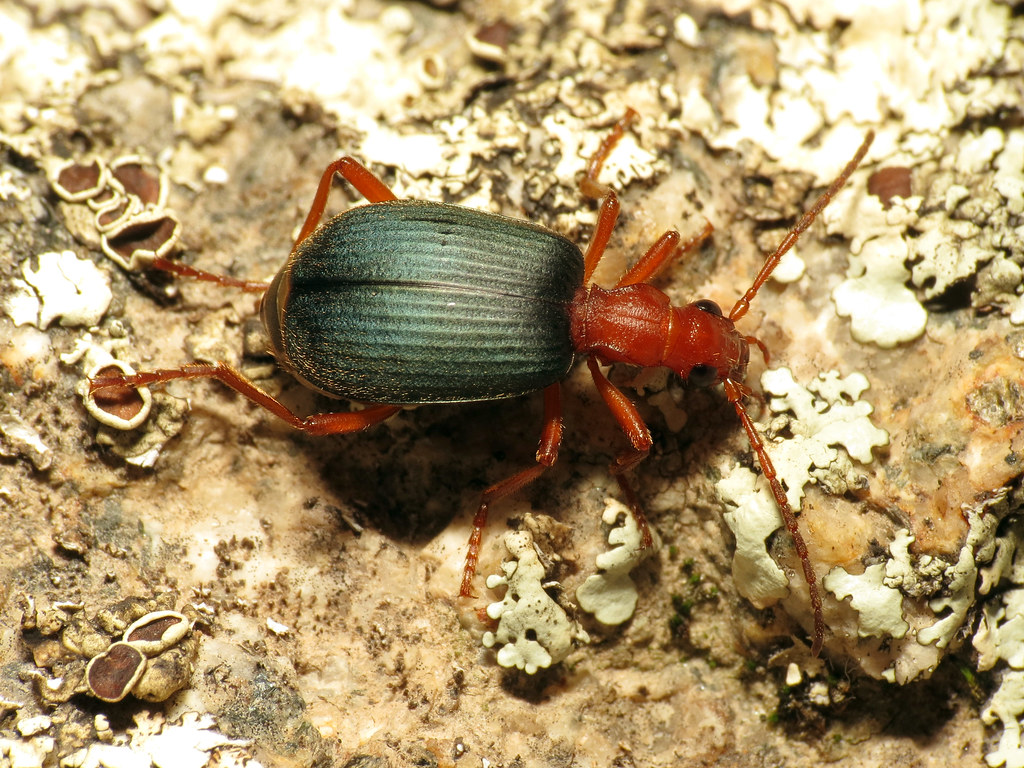
The bombardier beetle defends itself with a unique chemical cannon that shoots a boiling-hot, caustic spray at predators.
How the Mechanism Works:
• Storage Chambers: The beetle stores two separate, stable liquids in its abdomen: hydroquinone and hydrogen peroxide.
• Reaction Chamber: When threatened, the beetle releases these chemicals through a valve into a reinforced reaction chamber.
• Catalytic Enzymes: Special enzymes (catalases and peroxidases) act as a spark, causing an explosive breakdown of hydrogen peroxide and oxidation of hydroquinone.
• Boiling Spray: The reaction produces toxic benzoquinones and heats the liquid to nearly 100°C (212°F).
• Rapid Pulses: Instead of a single stream, the beetle discharges the spray in a rapid-fire series of up to 500 pulses per second, preventing self-damage to its internal organs.
Defense and Targeting:
• Aiming: The beetle can twist its flexible abdomen to spray attackers in almost any direction, including backwards, sideways, or even forward over its back.
• Predator Impact: The hot, foul-smelling chemical burns and stings attackers, instantly repelling spiders, frogs, birds, and larger insects.
• Survival Inside Predators: If swallowed by a toad, the internal chemical deployment forces the toad to vomit, allowing the beetle to escape alive.
The Lyrebird’s Perfect Mimicry

The superb lyrebird (Menura novaehollandiae) of Australia is one of the world's most talented avian mimics. Up to 80% of its vocalizations consist of copying other sounds from its environment.
What They Mimic:
• Bird Calls: They accurately replicate the songs and alarm calls of over 20 different native and introduced bird species, such as kookaburras, whipbirds, and currawongs.
• Man-Made Noises: Because of habitat overlap, they mimic anthropogenic sounds like camera shutters, car alarms, chainsaws, crying babies, mobile phone rings, and car engines.
• Generational Songs: In the 1930s, a pet superb lyrebird in New South Wales learned to whistle human tune melodies like "The Keel Row," and descendants still sang these blended tunes decades later.
Why They Mimic:
• Courtship Displays: Males use complex, varied acoustic repertoires during mating season to impress females. Females select mates based on the complexity and uniqueness of the song.
• Deceptive Tactics: Male lyrebirds sometimes mimic a multi-species predator mobbing alarm (such as small birds reacting to a snake) to make the female freeze or panic so she does not leave the display arena.
The Octopus’s Shape-Shifting Camouflage

Octopuses are among the ocean's most remarkable shape-shifters, using a combination of specialized skin cells and muscle control to instantly alter their color, pattern, and physical texture.
How the Camouflage Works:
• Chromatophores: Tiny sacs of yellow, red, brown, and black pigment expand or contract via nerve and muscle control to change color and pattern.
• Iridophores and Leucophores: Reflective skin layers bounce back greens, blues, silvers, golds, and surrounding ambient light.
• Papillae: Specialized muscles raise or lower the skin surface to mimic bumps, spikes, algae, or rough coral texture.
Dynamic Mimicry and Behavior:
• Species Impersonation: The Mimic Octopus (Thaumoctopus mimicus) can actively impersonate more than 15 different marine animals—such as venomous lionfish, flatfish, and banded sea snakes—to trick predators.
• Disruptive Coloration: Instead of blending in, some species flash high-contrast colors or stretch their arms to startle and confuse attackers.
The Dolphin’s Echolocation “X-Ray Vision”

Dolphins possess a biological sonar system called echolocation that acts much like a living X-ray or ultrasound, allowing them to "see" with sound beneath the water.
How the "X-Ray" System Works:
• Click Generation: Dolphins emit rapid streams of high-frequency clicking sounds (up to 75,000–150,000 Hz) by flexing nasal phonic lips.
• Reception via Jaw: The returning sound echoes are picked up through a specialized fatty deposit located in the dolphin's lower jaw, which channels the acoustic data to the inner ear.
• Density Mapping: Instead of just seeing an object's surface, the sound waves pass through soft tissues, water, and sand (penetrating up to a foot deep into the seabed), and bounce back off harder structures like bone, air sacs, or metal gear.
• Head-Scanning: Dolphins slowly sweep their heads back and forth to alter click angles and build a detailed, multi-dimensional acoustic image of what is hidden in front of them or even inside other bodies.
What Dolphins Can "See":
• Internal Anatomy: Because living bodies are mostly water and bounce sound off dense structures like skeletons or swim bladders, dolphins can perceive human bones, internal organs, or whether a fish has recently eaten.
• Hidden Objects: They can detect buried crabs in the sand, locate objects in pitch-black or murky water, and track equipment or divers at a distance.
About the Creator
Kristen Barenthaler
Curious adventurer. Crazed reader. Librarian. Archery instructor. True crime addict.
Instagram: @kristenbarenthaler
Facebook: @kbarenthaler
Enjoyed the story? Support the Creator.
Subscribe for free to receive all their stories in your feed. You could also become a paid subscriber, letting them know you appreciate their work.
Comments
There are no comments for this story
Be the first to respond and start the conversation.