


Cassowaries
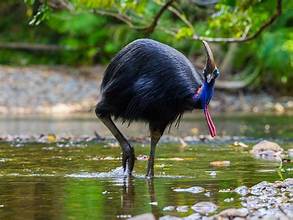
As a word of warning, you should not tamper with cassowaries. These enormous birds belong to the heavyweight class and are indigenous to Australia and the nearby islands. The ostrich is the only bird that weighs more. Cassowaries are known to kill humans and have vicious claws resembling daggers that my gorw up to 4 inches long on each foot’s middle toe. These birds wear vibrant keratin-based helmets called casques, which resemble human fingernails. They have luxurious black feathers resembling glitzy fur capes.
Guam Rails
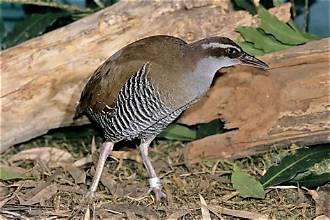
The birds known as Guam rails are native to the US territory of Guam and are flightless. These birds are referred to as “Ko’ko” by the locals. They are frequently seen feeding by the sides of highways and on the edges of fields. They live in mature forests and shrubby mixed woodlands. Guam rails have lengthened, compressed necks and breasts and reach a total length of 11 inches.
Kakapos
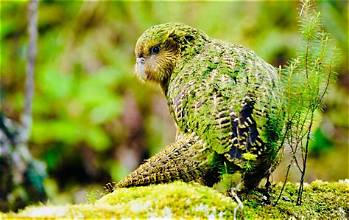
Also residents of New Zealand, kakapos are sometimes called “owl parrots”. These nocturnal parrots have a duck’s movements, a penguin’s attitude, and an owl’s visage. They have vivid green-brown feathers. Kakapos are the heaviest parrots in the world and can reach a length of two feet. The males can be heard up to half a mile away with their characteristic booming call, which sounds like a one-bird jug band.
Kiwis
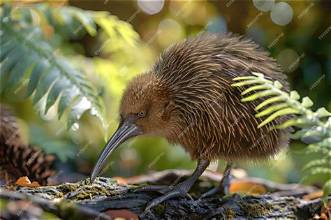
New Zealand is home to five kinds of brown, chicken-sized birds called kiwis. They have silly, hair-like feathers and concealed vestiges of wings. These birds have nostrils on the tip of their beaks rather than the base. However, these peculiar little birds are worth appreciating because the females may deposit eggs weighing up to one pound. This is the largest egg on any living species in relation to the size of the bird.
Ostriches
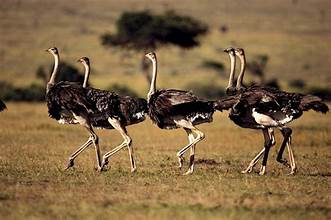
The king of birds is undoubtedly the powerful ostrich. Ostriches, the largest birds in the world, can reach a height of nine feet and weigh in at more than three hundred pounds. Naturally, their eggs are the biggest in the world. Ostriches can run up to 45 MPH across the broad spaces of Africa, where they reside, and their strong legs can kick in defense. These birds also have long, opulent lashes.
Penguins

Without penguins, no list of flightless birds would be complete. Since none of the 18 species of penguins can fly, they are better suited for swimming and diving, which is how they spend much of their time. They have a characteristic waddling gait because of their stocky bodies and short legs. Many of the penguin species are found in warmer latitudes. The Galapagos penguins inhabit the Equator. Most penguins are monogamous and seek out the same spouses every season, even among the hundreds of birds that might reside in their colony.
Rheas

The greater rhea, the biggest bird species in South America, is a flightless bird with an adult height of about 4.9 feet. The male birds weigh in at almost sixty pounds and are bigger and heavier than the females. Rheas can run up to 40 MPH; these rushing birds are stabilized by their wings. They lay golden eggs which fade and turn white with time.
Steamer Ducks
There are four species of steamer ducks, and three of them are flightless. Some of the male ducks are too heavy to achieve liftoff. These South American ducks got their name by flapping their wings like a steamboat’s wheels as they ran across the water. Steamer ducks are renowned for their aggressiveness and are known to fight one another in brutal, dramatic contests over territory. Waterbirds several times their size have been killed by them. (pictured above)
Takahes
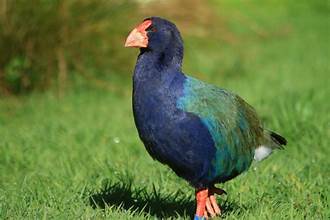
These New Zealand birds are mid-sized and experts at hiding and seeking. From the late 1800s until their unexpected rediscovery in 1948, they were believed to be extinct. Takahe are colorful with vibrant blue and green plumage and red beaks. They can live up to 20 years.
Wekas
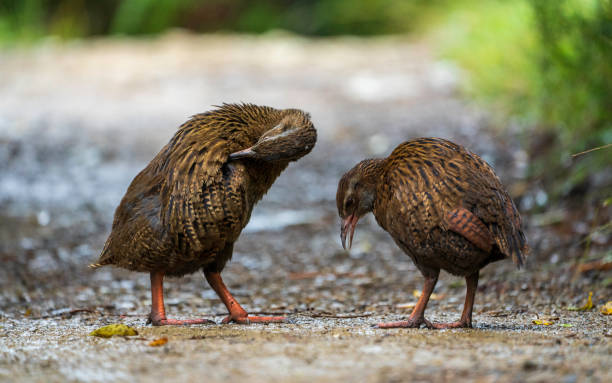
Wekas are native to New Zealand. European settlers relied heavily on these brown, chicken-sized birds, and now their populations are declining. Wekas have a booming call that both males and females sing in unison. They are renowned for being cunning robbers who will take food and minor items that appeal to them and then flee with the items. These birds are also adept swimmers.
About the Creator
Rasma Raisters
My passions are writing and creating poetry. I write for several sites online and have four themed blogs on Wordpress. Please follow me on Twitter.
Enjoyed the story? Support the Creator.
Subscribe for free to receive all their stories in your feed. You could also become a paid subscriber, letting them know you appreciate their work.
Comments
There are no comments for this story
Be the first to respond and start the conversation.