Sustainability
Underwater Volcano Unveils Thousands of Giant Living Eggs in Breathtaking Discovery That Could Transform Marine Conservation
In a groundbreaking discovery off the coast of Vancouver Island, Canada, scientists have uncovered an extraordinary phenomenon: thousands of giant, living eggs nestled within an active underwater volcano. This revelation has stunned marine biologists and raises serious concerns about the fragility of deep-sea ecosystems. These eggs belong to the elusive Pacific white skate (*Bathyraja spinosissima*), a species of deep-sea ray related to sharks, and their discovery offers invaluable insights into the complex relationships between marine life and geological forces. A Natural Incubator Beneath the Sea The eggs were found in a geothermal environment formed by an active underwater volcano, located nearly a mile beneath the ocean’s surface. The volcano's constant thermal activity creates a warm, mineral-rich environment, which serves as a natural incubator for these giant eggs. The heat from the geothermal vents speeds up the development of the skate embryos, providing a rare and ideal setting for the species' reproduction. The Pacific white skate's gestation period is notably long, lasting up to four years. In typical circumstances, the skates’ eggs are vulnerable to cold ocean temperatures, and such a lengthy incubation period can reduce the chances of successful hatching. However, the warmth from the underwater volcano significantly increases the likelihood that these developing embryos will survive. This discovery showcases how unique marine environments can provide the necessary conditions for certain species to thrive. The Magnitude of the Find: Thousands of Giant Eggs The eggs, often referred to as "mermaid’s purses" due to their distinct, leathery texture, are an impressive size, measuring between 18 to 20 inches in length. The scale of this discovery is unlike anything seen before—biologists estimate that up to a million of these massive eggs could be found in the area. This extraordinary egg mass marks one of the largest reproductive gatherings ever observed for this species of skate. Not only are these eggs large in number, but they also represent a critical phase in the species' lifecycle. The Pacific white skate’s reproductive habits are mysterious and difficult to study, as they live in the remote and harsh depths of the ocean, often out of reach for most researchers. However, this discovery has provided a rare opportunity to study the reproductive strategies of a deep-sea species in its natural habitat. Scientists are now racing to understand the full implications of this find and what it means for the future of the species. An Underwater Nursery: Safe Haven for Juvenile Skates The site where the eggs were discovered is not just a breeding ground but also serves as an underwater nursery for juvenile skates. The summit of the seamount—an underwater mountain—provides a sheltered environment that offers both protection and ideal living conditions for the developing embryos. The area is often described as a vibrant, otherworldly ecosystem that resembles a coral garden, where the rocky surface offers stability and shelter to both adult skates and young skates alike. This volcanic seamount's unique geology has created a safe haven for the young skates to grow and develop before they descend into deeper, more dangerous waters. The sheltered environment prevents the embryos from being exposed to predators and other threats commonly found in the open ocean. By staying in this protected area, the young skates can develop without the immediate risks that would typically be present in more exposed regions of the ocean. The Importance of Protecting Vulnerable Ecosystems Despite the scientific importance of this discovery, the site where the eggs were found currently lacks formal protection. Marine scientists are deeply concerned that the delicate nature of this underwater ecosystem could be jeopardized by human activities, particularly deep-sea fishing and climate change. Both of these factors have the potential to disrupt the fragile balance of this unique environment and threaten the survival of species like the Pacific white skate. Deep-sea fishing, in particular, poses a significant risk to these ecosystems. The use of large trawlers to catch fish and other marine life can destroy delicate habitats like the one discovered off Vancouver Island. These fishing practices can not only harm the species directly but also alter the ocean’s ecosystem, reducing biodiversity and making it more difficult for species like the Pacific white skate to thrive. Climate change also represents a growing threat. As ocean temperatures rise, the delicate geothermal conditions that support the development of these giant eggs may be disrupted. Warmer waters could potentially affect the long gestation period of the Pacific white skate, leading to lower survival rates for the embryos. Scientists fear that the already slow reproductive cycle of the species could be further delayed or even derailed by shifting ocean temperatures. The Broader Implications for Marine Conservation The discovery of these giant living eggs highlights the intricate connections between geological activity and marine life. It underscores the importance of preserving fragile ecosystems that exist beneath the ocean's surface. These ecosystems are home to numerous species that are essential for maintaining the health of the global marine environment. Without proper conservation efforts, the survival of many deep-sea species could be at risk. Marine protected areas (MPAs) have proven to be an effective strategy for safeguarding critical habitats, and experts believe that this newly discovered site should be designated as an MPA. By doing so, the area could receive legal protection from harmful human activities, allowing it to remain a sanctuary for the Pacific white skate and other marine life. Protection could also provide a more stable environment for the continued study of the area, offering valuable insights into deep-sea biodiversity and the role of underwater volcanoes in supporting life. Conclusion: A Wake-Up Call for Marine Conservation This breathtaking discovery of thousands of giant living eggs in an active underwater volcano serves as a wake-up call for the importance of marine conservation. It reveals the hidden wonders of our oceans and the critical role that these ecosystems play in the life cycles of many species. As scientists continue to study the area and monitor its ecological significance, it is clear that immediate action is needed to protect such rare and vital habitats. By raising awareness of these unique environments and the challenges they face, we can take steps to preserve them for future generations. Only through global cooperation and sustainable practices can we ensure that the delicate balance of our oceans remains intact, and that species like the Pacific white skate continue to thrive.
By Tech Horizons2 years ago in Earth
Top Water-Grown Plants for Indoor Spaces: Easy Care and Beautiful Greenery
Bringing a little nature into your home can make a huge difference in your mood, productivity, and overall wellness. While many indoor plants thrive in soil, water-grown plants offer a cleaner, easier alternative for those who want beautiful greenery without the mess. In this guide, we’ll explore the best water-grown plants for indoor spaces, how to care for them, and some must-have accessories to elevate your indoor garden.
By med karrari2 years ago in Earth
Bees Hide a Surprising Secret
When a beehive loses its queen—the sole individual capable of sustaining the colony’s future—the entire social order teeters on the brink of collapse. The queen is more than just a ruler; she is the lifeblood of the hive, the mother of all its inhabitants, and the architect of its survival. Without her, the steady rhythm of life within the honeycomb slows to a halt. No new eggs are laid. No new workers are born. The colony, once a bustling epicenter of productivity, faces a grim countdown to extinction.
By Jaime come2 years ago in Earth
At Least 500 Injured in Large Explosion at Iran Port
A significant explosion struck the port city of Chabahar in southeastern Iran on Thursday, resulting in injuries to at least 500 individuals and extensive destruction. The incident, which took place close to the city's gas storage facilities, generated shockwaves throughout the region, prompting worries regarding safety measures and the possibility of sabotage in this strategically vital location.
By Tech Alamin2 years ago in Earth
Bitcoin Tops $95K for the First Time in Months as Stocks Remain Flat
In a stunning display of resilience and market confidence, Bitcoin has surged past the $95,000 mark for the first time in several months, signaling renewed investor interest in the cryptocurrency sector. This milestone comes at a time when traditional stock markets remain largely flat, reflecting broader economic uncertainties and a cautious approach from institutional investors.
By GLOBAL NEWS2 years ago in Earth
Serpent’s Embrace
Chapter 1: Into the Darkness** The humid air hung thick and heavy as an impenetrable curtain settled over the dense Amazon jungle. The cacophony of chirping cicadas and the haunting calls of distant howler monkeys melded into a symphony of life that echoed through the undergrowth. Dr. Sarah Mitchell, a renowned herpetologist, trudged deeper into the heart of the jungle, guided by an insatiable curiosity and a sense of purpose. She had received a cryptic message about a rumored species of anaconda that had purportedly mutated into a dangerously toxic creature. If true, the implications could be catastrophic.
By MOHAMMED NAZIM HOSSAIN2 years ago in Earth
Landslides: Understanding the Causes and Impacts :
Landslides are a herbal catastrophe that happens whilst there may be a downward motion of rock, soil, and particles because of gravity. These moves can take location on diverse scales, starting from small rockfalls to large slides related to whole mountainsides. While they cannot be fully prevented, understanding their causes and impacts allows us to take steps to mitigate their effects. Through monitoring, early warning systems, and improved land use planning, we can reduce the risks posed by landslides and better protect lives and property.
By SATTYABRATA ROY2 years ago in Earth
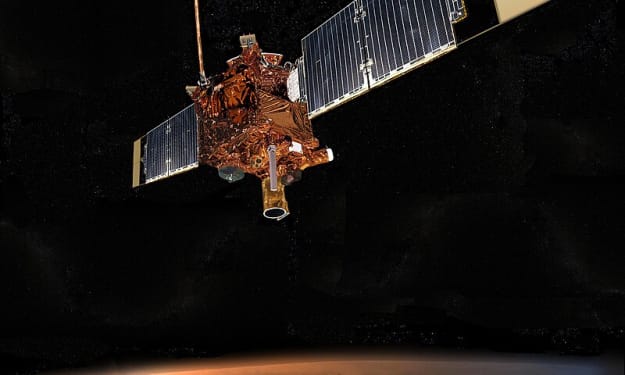
NASA Releases Most Stunning Mars Footage Yet Captured from 140 Million Miles Away
NASA Releases Most Stunning Mars Footage Yet Captured from 140 Million Miles Away In a monumental leap for space exploration and planetary science NASA has released the clearest and most detailed footage ever captured of Mars despite the Red Planet being approximately 140 million miles away from Earth. This new footage taken by the Perseverance and Curiosity rovers reveals stunning views of Martian landscapes in unprecedented detail showcasing everything from rocky terrains and ancient riverbeds to massive craters and mountainous ridges. This release is more than just a visual treat it is a scientific breakthrough that has the potential to change our understanding of Mars its history and its potential to support life past or present. The high definition video and images were captured using advanced imaging systems aboard the Perseverance and Curiosity rovers. NASA’s Perseverance rover which landed on Mars in February 2021 is equipped with Mastcam-Z a camera system capable of capturing 3D high resolution color images and videos. Similarly the Curiosity rover uses its Mast Camera (Mastcam) and the Mars Hand Lens Imager (MAHLI) to capture intricate details of the Martian surface. The conditions during the time of recording were ideal with exceptionally clear Martian skies and minimal dust interference enabling the rovers to transmit sharp high resolution images back to Earth. These visuals give scientists and space enthusiasts alike a crystal clear view of Mars’ terrain comparable to drone footage from Earth.
By Adnan Rasheed2 years ago in Earth