Sustainability
Plastics in Electronics
Plastics are everywhere in electronics, from smartphone casings to circuit board insulation. But choosing the right polymer is about much more than just convenience. It requires a careful balance between performance, safety, cost, and environmental responsibility. The Enviropass article, “Plastics in Electronics: A Guide for Engineers,” explores how different plastics shape the design and sustainability of electronic products.
By Mahgol Nikpayamabout a year ago in Earth
The Rise of Plastic Pyrolysis in Recycling Strategy
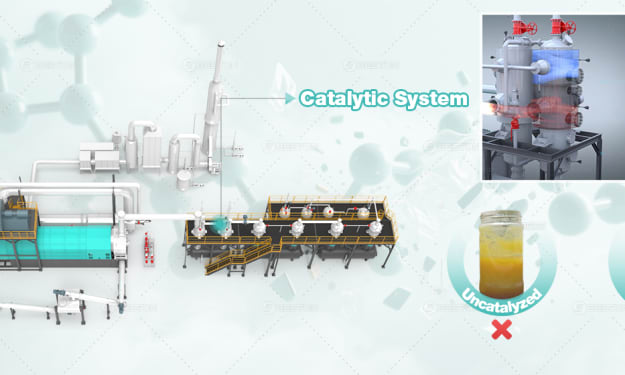
Plastic pyrolysis has emerged as a pivotal player in global recycling strategies, particularly as conventional waste management infrastructures falter under the weight of escalating plastic waste. As mechanical recycling encounters limitations in feedstock quality, contamination, and polymer diversity, pyrolysis technology steps into the foreground as a thermochemical alternative with broader material compatibility and end-product utility.
By Wayne Shenabout a year ago in Earth
Unlocking the Earth’s Hidden Power: The Promise of Natural Underground Hydrogen
In a groundbreaking discovery that could reshape the future of global energy, scientists have identified vast reserves of naturally occurring underground hydrogen—buried deep beneath the Earth's surface. This "gold hydrogen," as it's being called, could represent a nearly infinite, clean source of energy that has remained hidden beneath our feet for millennia.
By Muhib Ullah about a year ago in Earth
Autume Peltier
by Futoshi Tachino Meta Description: Autumn Peltier is a young Anishinaabe climate activist from Canada who is transforming global water advocacy through Indigenous leadership. Discover her inspiring journey and how you can support her mission.
By Futoshi Tachinoabout a year ago in Earth
Male and Female Plants: The Key to Successful Farming
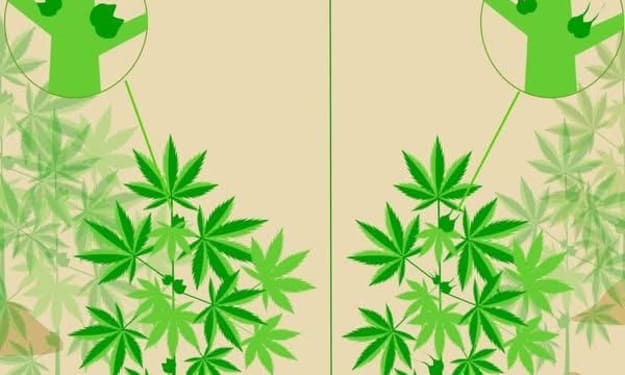
Just like humans and animals, plants also have male and female genders, designed by nature to ensure reproduction — through flowers, fruits, and seeds. However, many people are unaware of this crucial detail. If you’ve ever wondered why your tree blooms but never bears fruit, the answer might lie in the plant’s gender.
By Muhib Ullah about a year ago in Earth
When the Guadalupe Roared—and the Rumors of “Weather Editing” That Followed
On July 4, 2025, Central Texas residents expecting typical Independence Day river relays were met instead with a scene of raw power and devastation. A series of slow-moving storm cells dumped between 5 and 10 inches of rain over the upper Guadalupe watershed in under six hours. The normally placid Guadalupe River rose from near-normal to more than 12 feet at Comfort—well above major-flood stage—sweeping away picnic tables, riverfront cabins and, tragically, claiming two lives. As floodwaters receded and communities rallied to rebuild, a persistent current of speculation emerged: Was this disaster “natural,” or the product of clandestine weather-editing programs?
By Briar Roseabout a year ago in Earth
Pollution and their Effects on the Environment
Pollution: Ang unwanted and undesirable change in the environment that affects the atmosphere and disturbs the ecosystem is called pollution. The addition of certain contaminants or pollutants to the environment is also called pollution Animals, plants, humans and all other organisms suffer due to pollution. The major types of pollution can be categorized as follows. Air Pollutants and their sources: Pollution began to be recognized as a serious threat during the industrial revolution of the 19" century. During this period, burning of fossil fuels in the factories and industries led to a high level of waste gases in the air. Like other forms of pollution, air pollution has dangerous effects on the environment. During air pollution, harmful pollutants are released into the air. These harm all living organisms. It may be man made of natural Carbon monoxide (CO), sulphur dioxide (50,), oxides of nitrogen (NO and NO) chlorofluorocarbons (CFCs), etc, are the main air pollutants, produced by human activities and natural sources. Harmful effects of air pollutants: 1. Acid rain: Chemical reactions involving air pollutants can create acidic rain compounds which con cause damage to vegetation and buildings. Acid rain can destroy leaves of plants 2. Eutrophication: Rain can carry oxides of nitrogen to rivers and soil. This can cause abnormal growth of algae in water bodies making conditions for ather aquatic organisms very difficult to live. 3. Ground level ozone: Chemical reactions involving air pollutants create poisonous ozone (O3) gas, which effect People's health and can damage plants and animal's Life. Effect of Human Activities on Human environment: Generally human activities such as ute of vehicles, burning of fuels, aerosol sprays, fertilizers, water products, insecticides and deforestation are affecting environment. These actions con cause degradation of habitats and also result in the depletion of natural resources. Green House Effect: When the UV (ultraviolet) radiations enter the earth, a part of it is absorbed by the earth and the rest are reflected back to the atmosphere. Some gases present is the atmosphere eg: carbon dioxide, methane, asides of nitrogen, water vapors, etc. trap a part of the heat reflected by the earth, causing an increase in the atmospheric temperature. This atmospheric effects is known as greenhouse offer. The gases involved in the green house effect are called green house gases. e.g carbon dioxide, carbon monoxide etc. An increase in greenhouse effect can lead to global warming and climate change. Cool burned in power stations contains carbon, which combines with oxygen to form carbon dioxide. Which is also a cause of increase of carbon dioxide concentration in air. Global Warming: Global warming refers to the rise in overage temperature on earth. Due to human activities like burning of fuels, industries vehicles etc, the green house games are continually increasing in the atmosphere and speeding up the green house effect. As result, the earth is getting warmer and warmer this phenomenon is known as global warming Global warming causing the glaciers to melt at an alarming rate. The show on Polar Regions and the mountains melts faster, causing floods and raise in the level of seawater. The climate of many regions of the world is also changing due to global warming. Global warming a serious threat to the life on earth, especially to future generations. Acid Rain: When the quantity of acids increase in the atmosphere, it leads sa acid rain during rainfall. Acid rains are the result of sive carbon dioxide, sulphur dioxide, smoke and nitrogen dioxide in the atmosphere. When these gases come in contact with water vapours, acids such as sulphuric acid, were said t ere formed. These acids make the rain water acidic. Acid rain harms a lot of living and non living things. For example. • Kills the aquatic life in rivers, ponds and lakes. • Destroys the leaves and bark of trees. • Corrodes the metals and stones used in buildings. • Damages the crops. ∆ Depletion of Ozone Layer: The word "Ozone is a Greek ward which means strong odour. Ozone is a gas made up of three oxygen atoms (0, Ozone is formed when sunlight hits oxygen molecules (0) and breaks up them into individual atoms. These individual atoms then combine with O. molecules and make O, or ozone molecules. The upper porn of atmosphere has a fairly high concentration of ozone molecules, known as the ozone layer (Ozone sphere). The ozone layer protects us from harmful ultraviolet (UV) rays of the sun. Chlorofluorocarbons (CFCs) which are used in air conditioners, refrigerators, spray, etc enter the air due to leakage from these appliances. On reaching the ozone layer they break down the ozone molecules and thus cause depletion of the ozone layer. This phenomenon of the ozone layer depletion is not only harmful to human beings but also damages other organisms. Deforestation: Deforestation refers to the cutting and removal of forests for human use. Forests bring favourable characteristics to an area. They stop storms, soil erosion and bring rain. Forests are the main source of timber, firewood, resins, gums, medicines and habitat for large number of plants and animals. However, increasing human population has resulted in the need for increased demand for firewood, construction and more area for harvesting. Human beings are therefore engaged in deforestation. Increase in trade and possibilities of exporting wood items like furniture etc. have speed up the process of deforestation. However, the effects of deforestation are more severe than just the loss of trees. Deforestation is affecting human life to a great extent by bringing about negative changes in the environment and atmosphere. Deforestation causes many problems some of which are: *Air Pollution *Green House effect. *Destroy habitat for wildlife. *Global warming and increasing sea level. *Soil erosion. *Less rain. *Sea animals dying.
By Sherooz khanabout a year ago in Earth
Pearls, Palms, and Sky‑High Dreams: How Qatar Went From Sleepy Peninsula to Global Powerhouse
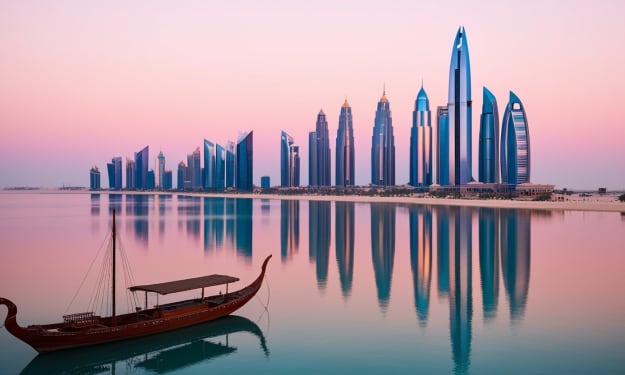
A Morning That Smells Like Cardamom The encounter starts with the fragrance of gahwa—cardamom-infused coffee—wafting down a cold lane in the souq. For anyone who stops to converse, a vendor in a well ironed thobe provides free little finjan cups. The bright welcome, “Marhaba, my friend—welcome,” strikes as genuine, as do the constantly refilled cups. In Qatar, hospitality is an instinct rather than simply a catchy slogan; it is ingrained from a time long before opulent cars and modern skyscrapers when a pearl diver depended on the kindness of those around the fire for survival.
By Shahjahan Kabir Khanabout a year ago in Earth
The essential components of life may have always been present on Earth.
What was the origin of life on Earth? That has been a long-standing question. The solutions are still strewn across rocks, seas, and prehistoric terrain. One hint can be found in phosphorus, a necessary component of life.
By Francis Damiabout a year ago in Earth