short story
5 Insane But True Facts About Pigeons You Should Know About
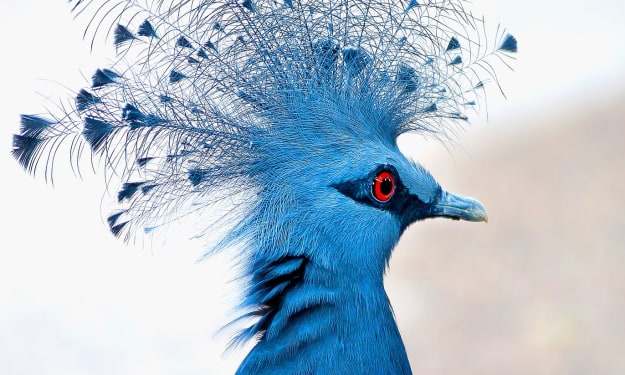
5 Insane But True Facts About Pigeons You Should Know About Pigeons are often overlooked as ordinary urban birds, but beneath their unassuming exterior lies a world of incredible and surprising facts. From their remarkable feats of navigation to their impressive abilities and contributions, pigeons are anything but ordinary. In this article, we unveil five insane but true facts about pigeons that will leave you in awe of these feathered marvels.
By News Bucks3 years ago in Earth
The Largest Development Bank selects Wall Street CEO to address climate and sustainable development
As Ajay Banga, a former Wall Street CEO, was chosen as the World Bank’s new President, it will be interesting to learn more about the implications for such a bold move and what it means for climate finance moving forward. Banga begins his five-year term on June 2, 2023.
By Andrea Zanon3 years ago in Earth
About Saltwater Aquarium Fish Beautiful
Saltwater aquarium fish are amongst the most beautiful of animals to be found anywhere in the world. A variety of saltwater aquarium fish can be housed in your marine tank provided you know what they need in terms of care, such as feeding, environment, competitors and space to grow.
By Imeth Githsara3 years ago in Earth
The Beauty Of Pakistan
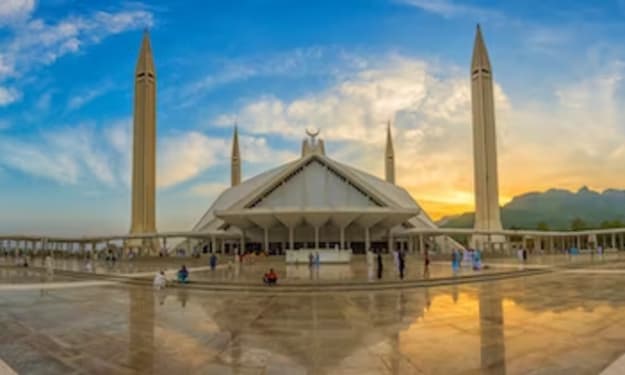
Pakistan, a land of enchanting beauty, captivates the soul with its breathtaking landscapes, rich cultural heritage, and warm-hearted people. Nestled in the heart of South Asia, Pakistan boasts an incredible diversity that leaves visitors in awe. From the towering peaks of the Karakoram and Himalayan ranges to the golden beaches of the Arabian Sea, this nation is a tapestry of natural wonders.Pakistan is a land that captivates the senses with its breathtaking beauty. From the towering peaks of the majestic Himalayas in the north to the stunning beaches along the Arabian Sea in the south, this nation is a treasure trove of natural wonders. The lush green valleys, shimmering lakes, and meandering rivers paint a picturesque landscape that leaves visitors awe-struck. Pakistan's rich cultural heritage is equally enchanting, with ancient ruins, magnificent mosques, and vibrant bazaars that showcase its diverse traditions. Moreover, the warmth and hospitality of its people add an extra layer of charm to this remarkable country, making Pakistan truly a paradise worth exploring.
By Malik Hady3 years ago in Earth
UNFORGETTABLE MOMENT
Once, in a small town nestled among rolling hills, lived a young woman named Emma. Emma was known for her vivacious personality and her knack for adventure. She thrived on the thrill of exploring new places and seeking out extraordinary experiences. Little did she know that one fateful day would forever etch itself in her memory as the most unforgettable moment of her life.
By ManaalSaqib Khatri3 years ago in Earth
GOLD PRODUCING BACTERIA
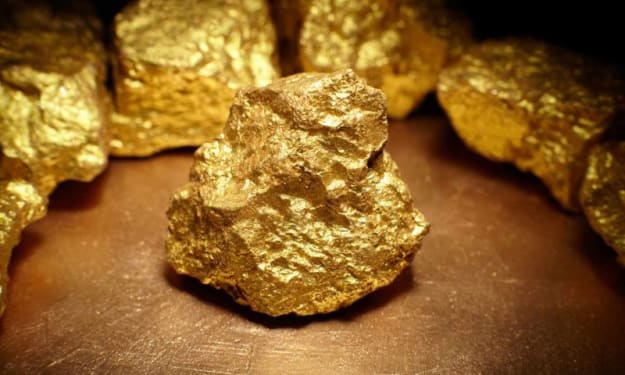
🌟 Scientists have discovered bacteria that produce gold. Bacteria with the Midas Touch! ✨In 2018, an international team of researchers uncovered the secrets of a bacterium called Cupriavidus metallidurans. It possesses exceptionally high toxicity levels and the remarkable skill of synthesising gold from natural compounds. But how does it manage to survive even after ingesting toxic metallic compounds?
By Rohina Bushra3 years ago in Earth
The World’s Most Grueling Race Journeys 1,000 Miles Down the Yukon
It’s not clear who first discovered the gold. Even that word “discovered” is a misnomer. The local Tlingit and Tagish tribes were both well aware of its presence along the river decades before Westerners started drawing it from the ground; they’d simply had no use for the stuff. Perhaps it’s better to say it’s not clear who first exploited the gold—who helped inspire some 100,000 prospectors to make the arduous trip to the Yukon Territory in northwest Canada, a migration that became known as the Klondike Gold Rush.
By Mark Xavier3 years ago in Earth
Early Apes Lived on Savannahs, Not in Forests
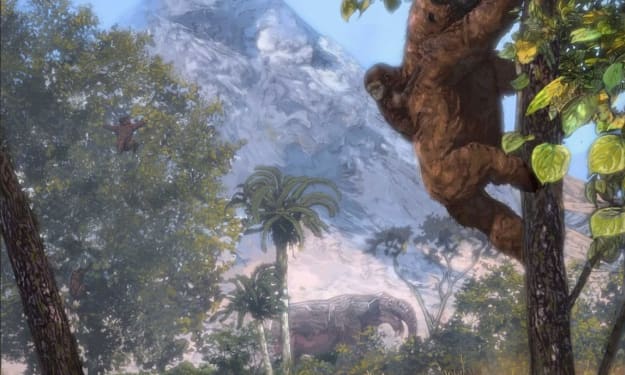
Apes were supposed to be tied to the trees. Around 21 million years ago, during a time paleontologists know as the Miocene, what’s now Uganda was thought to be a lush, humid forest where early apes clambered over canopy branches in search of fruit. But a pair of new studies have overturned the established view, changing the setting in which paleontologists think the first apes evolved.
By Mark Xavier3 years ago in Earth