Science
Climate change and our Economy
Climate Change and the Economy: Climate change has significant economic implications that affect various sectors and industries. Understanding these implications is crucial for devising effective strategies to address climate change and transition to a sustainable, low-carbon economy. Here are some key points to consider: Costs of Adaptation and Mitigation: Climate change adaptation and mitigation efforts require financial resources. The costs associated with adapting to the impacts of climate change, such as building resilient infrastructure, implementing protective measures against sea-level rise, and managing water resources, can be substantial. Additionally, mitigation efforts, such as reducing greenhouse gas emissions, transitioning to clean energy sources, and promoting sustainable practices, also involve costs. Transition to a Low-Carbon Economy: The transition to a low-carbon economy involves shifting away from fossil fuel-based energy systems and adopting renewable energy sources, energy efficiency measures, and sustainable practices. While this transition can require upfront investments and potentially disrupt certain industries, it also presents opportunities for innovation, job creation, and economic growth. Green Jobs and Economic Growth: The transition to a low-carbon economy has the potential to create new employment opportunities in renewable energy sectors, energy-efficient technologies, green infrastructure development, and sustainable agriculture practices. These "green jobs" contribute to economic growth, promote environmental sustainability, and help reduce dependence on fossil fuel industries. Market Opportunities: The growing recognition of the urgent need to address climate change has resulted in increased demand for sustainable products and services. This shift presents market opportunities for businesses that prioritize environmental sustainability, eco-friendly technologies, and carbon-neutral practices. Companies that proactively adapt to climate change and adopt sustainable business models may gain a competitive edge in the evolving marketplace. Climate-related Financial Risks: Climate change can also pose financial risks to businesses and the overall economy. Physical risks include the damage and disruption caused by extreme weather events, rising insurance costs, and impacts on supply chains. Transition risks arise from policy changes, market shifts, and technological advancements that may affect the value of certain assets or industries. Understanding and managing these risks is essential for ensuring long-term economic stability. Inequality and Just Transition: The economic impacts of climate change are not distributed equally. Vulnerable communities and low-income populations often bear the brunt of climate-related challenges. It is crucial to address these inequalities through policies that ensure a just transition to a low-carbon economy, providing support for affected industries and workers, and prioritizing equitable access to green jobs and sustainable opportunities. Addressing the economic implications of climate change requires collaboration between governments, businesses, and communities. By integrating climate considerations into economic planning and decision-making, it is possible to foster sustainable economic growth, create jobs, and mitigate the risks posed by climate change, ultimately working towards a more resilient and prosperous future. What government is doing as regards climate change Governments around the world are taking various actions to address climate change. Here are some examples of what governments are doing in response to the challenges posed by climate change: International Agreements: Governments participate in international agreements and frameworks to tackle climate change collectively. The most notable agreement is the Paris Agreement, which aims to limit global warming to well below 2 degrees Celsius above pre-industrial levels. Countries commit to setting emissions reduction targets, regularly reporting on progress, and providing financial and technological support to developing nations. National Climate Policies and Legislation: Governments are implementing national climate policies and legislation to reduce greenhouse gas emissions and promote sustainable practices. These policies may include setting emissions reduction targets, implementing carbon pricing mechanisms (such as carbon taxes or emissions trading schemes), supporting renewable energy deployment, promoting energy efficiency, and regulating emissions from industries and transportation. Renewable Energy and Clean Technology Support: Many governments are providing financial incentives, grants, and subsidies to encourage the adoption of renewable energy sources, such as solar, wind, hydro, and geothermal power. They also invest in research and development of clean technologies, such as energy storage, electric vehicles, and carbon capture and storage (CCS) systems. Climate Finance: Governments are mobilizing climate finance to support developing countries in their efforts to mitigate and adapt to climate change. Developed countries have committed to providing financial resources to help developing nations transition to low-carbon and climate-resilient pathways, build climate-resilient infrastructure, and enhance capacity building and technology transfer. Climate Adaptation and Resilience: Governments are increasingly recognizing the importance of climate adaptation and resilience measures. They invest in projects to enhance resilience to climate impacts, such as building flood defenses, developing early warning systems, implementing drought management strategies, and promoting nature-based solutions, such as restoring coastal ecosystems or creating green infrastructure. International Partnerships and Collaborations: Governments collaborate with international organizations, NGOs, and other stakeholders to share knowledge, best practices, and resources. They work together to address common challenges, exchange scientific data, and promote innovation in climate solutions. Public Awareness and Education: Governments play a vital role in raising public awareness about climate change and its impacts. They support educational campaigns, communication initiatives, and public engagement activities to promote climate literacy and foster behavioral changes that contribute to sustainable practices. It is important to note that the actions taken by governments can vary widely depending on the political and socio-economic context of each country. Moreover, while progress has been made, the scale and urgency of the climate challenge require continuous efforts and increased ambition from governments worldwide. What can individuals do as regards climate change Individual actions play a crucial role in addressing climate change. Here are some steps individuals can take to contribute to a more sustainable and climate-friendly future: Reduce Carbon Footprint: Minimize your carbon footprint by conserving energy at home. Use energy-efficient appliances, switch to LED light bulbs, and turn off lights and electronics when not in use. Lower your thermostat in winter and raise it in summer, and consider installing solar panels if feasible. Additionally, choose sustainable transportation options like walking, biking, or using public transit whenever possible. If you own a car, consider carpooling or driving an electric or hybrid vehicle. Conserve Water: Conserve water by taking shorter showers, fixing leaks, and using water-efficient fixtures. Consider collecting rainwater for gardening or reusing graywater for non-potable purposes. In your garden, opt for native plants that require less water and practice water-efficient irrigation techniques. Reduce, Reuse, Recycle: Adopt a mindset of reducing waste. Reduce your consumption by buying only what you need and choosing products with minimal packaging. Reuse items when possible and recycle materials that can be recycled. Properly dispose of electronic waste, batteries, and hazardous materials to prevent their harmful impact on the environment. Shift to a Plant-Based Diet: Consider reducing your meat consumption or adopting a plant-based diet. Livestock production is a significant contributor to greenhouse gas emissions. By opting for more plant-based meals, you can reduce your carbon footprint and contribute to sustainable food systems. Eating locally sourced, seasonal foods also reduces the carbon emissions associated with long-distance transportation. Support Renewable Energy: If possible, switch to renewable energy sources for your home by installing solar panels or purchasing green energy from utility providers. By supporting renewable energy, you contribute to the demand for clean power and accelerate the transition away from fossil fuels. Advocate for Change: Engage in climate advocacy by supporting organizations and initiatives that work towards climate solutions. Contact your elected representatives to voice your concerns and support policies that promote renewable energy, sustainable transportation, and climate action. Participate in peaceful demonstrations or community initiatives focused on climate awareness and action. Educate and Raise Awareness: Stay informed about climate change and share your knowledge with others. Engage in discussions about climate issues with friends, family, and colleagues. Use social media, blogs, or other platforms to raise awareness and encourage others to take action. Sustainable Consumption: Make conscious choices as a consumer. Consider the environmental impact of the products you buy and support businesses that prioritize sustainability and environmentally friendly practices. Choose reusable alternatives over single-use items, and reduce your reliance on disposable plastics. Support Conservation Efforts: Contribute to conservation efforts by supporting organizations dedicated to protecting ecosystems, biodiversity, and natural resources. Volunteer for local environmental initiatives or participate in community clean-up events. Vote and Engage in Politics: Exercise your democratic right to vote for candidates who prioritize climate action and environmental sustainability. Stay informed about climate policies and engage in discussions around climate change during elections and community forums. Remember, collective action is essential for addressing climate change effectively. By taking individual steps and encouraging others to do the same, we can all contribute to a more sustainable and resilient future.
By Micah Jeremiah Udoh3 years ago in Earth
Empathy and Compassion
In the vast Arctic expanse, a solitary polar bear named Aurora roamed the icy tundra. Her snowy white fur glistened under the pale moonlight, blending seamlessly with the frozen landscape. But deep inside, her heart felt heavy with an overwhelming sense of loss and despair.
By Collins Harrison3 years ago in Earth
"Whispers of Strength: A Journey Through the Shadows of the COVID-19 Pandemic". Content Warning.
Once upon a time, in a world plagued by the shadows of a relentless pandemic, a community was united by whispers of strength. The story begins with the sudden arrival of an invisible enemy, COVID-19, which spread its web of uncertainty and fear across the globe.
By Judith Asika3 years ago in Earth
Human activities that damages nature
Introduction: The Earth is a magnificent ecosystem that sustains all life forms, but sadly, human activities have taken a toll on its delicate balance. In our quest for progress and development, we often overlook the adverse consequences of our actions on nature. In this blog, we will explore some of the most detrimental human activities that damage the environment, emphasizing the importance of sustainable practices and collective responsibility for preserving our planet.
By prathamesh3 years ago in Earth
over consumption of medicines
Introduction: Medicines play a crucial role in treating illnesses, relieving pain, and improving our overall well-being. However, there is a growing concern regarding the overconsumption of medicines, which can have detrimental effects on our health. In this blog, we will delve into the dangers of excessive medication use, exploring its causes, consequences, and steps we can take to ensure safe and responsible medication practices.
By prathamesh3 years ago in Earth
A CRY FOR MOTHER EARTH
A CRY FOR MOTHER EARTH UNITED WE HEAL THE LAND INTRODUCTION In the vast expanse of the United States, where the beauty of nature intertwines with the bustling cities, a silent crisis looms. The very fabric of our planet, the climate and environment, is undergoing profound changes, leaving a trail of devastation in its wake. As the impacts of human activity on the Earth become increasingly evident, it is our collective responsibility to confront the reality and work towards a sustainable future. This is a story of hope, resilience, and the power of unity in the face of environmental challenges.
By Amadi Divine3 years ago in Earth
Lost in the Abyss: How Black Holes Challenge our Understanding of Space
The term "black hole" has a certain mystique to it, evocative of a place where the laws of physics break down and reality is stretched to its limits. Black holes are some of the most fascinating and mysterious objects in the universe, and their existence challenges our understanding of space and time. They are not visible to the naked eye, but we can infer their presence through their effects on the surrounding matter. In this article, we will explore the basics of black holes, their formation, characteristics, and the challenges they pose to our current understanding of physics. We will delve into the paradox of information, the event horizon, and the supermassive black holes that inhabit the center of galaxies. Finally, we will discuss the future of black hole research and the possibilities of exploring these enigmatic objects.
By Krishna raj3 years ago in Earth
World Environment Day 2023 | Top 10 Things To Know
Introduction World Environment Day, celebrated annually on June 5th, serves as a global platform to raise awareness about environmental issues and inspire positive action. In 2023, this significant day takes on even greater importance as the world continues to grapple with pressing environmental challenges. In this article, we present the top 10 things you need to know about World Environment Day 2023, shedding light on the critical issues at hand and the actions we can take to protect our planet.
By Mandeep Sokhal3 years ago in Earth
Climate and Environment. Content Warning.
Environmental change and natural corruption are two squeezing difficulties within recent memory. The fragile equilibrium of the World's biological systems is being upset by human exercises, prompting serious ramifications for both the climate and human prosperity. This exposition will investigate the complicated interaction between environmental change and the climate, featuring the dire requirement for practical activity to relieve these issues. By grasping the causes, effects, and possible arrangements, we can prepare for an additional practical and tough future.
By Triumphant Tijani3 years ago in Earth
Astonishing Hues: The Breathtaking Pink Lakes of Australia
Nestled within the vast and diverse landscape of Australia, a natural phenomenon awaits the curious traveler – the mesmerizing pink lakes. These enchanting bodies of water, adorned with surreal hues of pink, cast a spell on anyone fortunate enough to witness their breathtaking beauty. In this article, we embark on a captivating journey to explore the secrets of Australia's pink lakes, unraveling the science behind their unique colors, delving into the thriving ecosystems they support, and uncovering the allure that draws visitors from around the world.
By Maaff Mktg3 years ago in Earth
Sakurajima Dirty Thunderstorms: When Nature's Fury Paints the Sky
In the heart of Kagoshima, Japan, lies a volcano that awakens the senses and commands attention. Sakurajima, an active stratovolcano, not only spews ash and lava but also orchestrates a captivating natural phenomenon known as dirty thunderstorms. In this article, we delve into the mesmerizing world of Sakurajima's dirty thunderstorms, exploring their formation, the electrifying display of lightning amidst volcanic ash, and the sheer power of nature that leaves spectators in awe.
By Maaff Mktg3 years ago in Earth
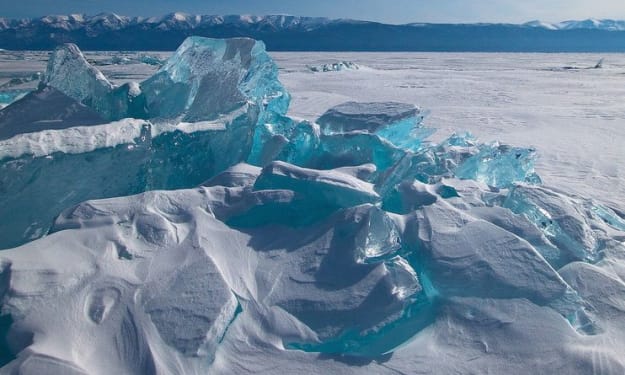
Turquoise Ice: A Frozen Wonderland at Lake Baikal, Russia
Imagine a scene straight out of a fairy tale—a vast expanse of crystal-clear ice adorned in a breathtaking shade of turquoise, glistening under the winter sun. This surreal spectacle can be witnessed at Lake Baikal, the world's deepest and oldest freshwater lake located in Russia. In this article, we embark on an enchanting journey to explore the mesmerizing phenomenon of turquoise ice, delving into its formation, the interplay of light and color, and the awe-inspiring beauty it holds.
By Maaff Mktg3 years ago in Earth