Science
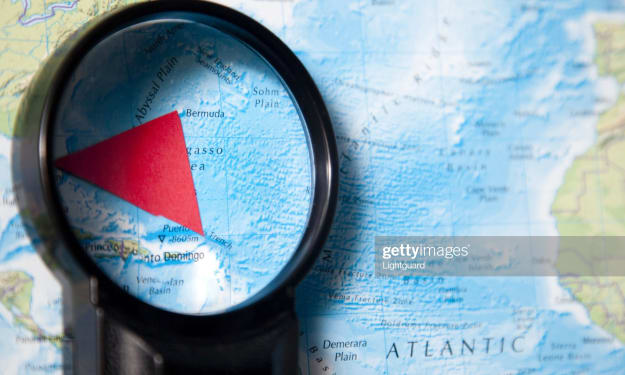
Unraveling the Enigma of the Bermuda Triangle
Imagine flying an airplane when suddenly the compass needle starts spinning non-stop, leaving you disoriented and lost. This bizarre phenomenon has been experienced by some pilots and sailors who venture into the mysterious realm of the Bermuda Triangle. Famed for its uncanny ability to make ships and aircraft vanish without a trace, the Bermuda Triangle, also known as the Devil's Triangle, has sparked numerous spooky incidents and conspiracy theories. In this article, we'll explore some of the most bewildering hypotheses surrounding this enigmatic location.
By Aamir Syed3 years ago in Earth
Effect of climate change on food chain
This is particularly clear in the case of barley, maize, millet, pulses, rice and wheat. It seems that the countries most at risk of food shortages are also worst affected by rising temperature. This seems to bear out the finding from the world’s premier climate science advisers, the Intergovernmental Panel on Climate Change (IPCC), that the higher average global temperatures and more extreme weather events associated with climate change will reduce the reliability of food production. The latest IPCC report also supports these conclusions. Another change noted by the IPCC is how rising heat and rainfall associated with climate change is increasingly degrading land, making soil less productive. This is due to the loss of soil nutrients and organic matter and has negative effects on crop yields. In addition, accelerating rises in sea levels will compound these negative impacts by increasing saltwater intrusions and permanently flooding crop land. AGRICULTURE, FOOD AND BEVERAGE Climate change and food: The potential impact on production and prices Farmers harvesting strawberries. Climate change could affect food production across the globe. Sub-Saharan Africa, including South Africa, is at high risk of climate impacts on food availability and affordability. Higher average global temperatures and more extreme weather events associated with climate change will reduce the reliability of food production. Here the authors explore the potential impact of a changing climate on food production and prices. In a world with an increasing human population, climate change may have a serious impact on our ability to grow enough food. Research from as far back as 2007 found that around 30% of year-to-year fluctuations in tonnes of crops grown per hectare were due to changes in the climate. It is remarkable under these circumstances that the global agricultural system has managed to remain fairly robust, and that major food shortages have been rare. On the other hand, food prices in recent decades have become increasingly volatile. While there are many influences on food prices – including crop yield, weather variations, international trade, speculation in food commodity markets, and land management practices – mostly open trading systems have allowed food shortages in some places to be offset by surpluses, and increased production, elsewhere. Several studies forecast the same alarming trend for global food security: crop yield will continue to decline as the planet warms. Hence experts believe that as climate change worsens, not only will we see more of these export bans, but also a rearrangement of trading patterns between countries as they prioritize national interest. Climate change increases the risks to food production and distribution, so countries will move toward more regional and “mini-lateral” trade agreements to offset any potential damage from disruptions, says Alex Capri, a researcher at the Hinrich Foundation, a Singapore-based philanthropic organization that supports sustainable global trade. “Climate change is absolutely driving nationalistic behavior.Climate risks impacting the agricultural sector are direct risks to the food supply chain. All components of the food chain from food production, food processing, retailing/ distribution to consumption are impacted by accelerated climate variability. For instance, increased frequency and intensity of droughts, floods, heat waves and other extreme events directly threaten food productivity and soil health, leading to severe food shortages. Subsequently, this will result in a rise in food costs, affecting livelihoods of producers, spending capacities of consumers and success of food-related businesses alike. It is also important to note that these food shortages are likely to affect poorer parts of the world disproportionately. This makes the food system particularly vulnerable to change, especially in an agrarian country like India.Climate risks impacting the agricultural sector. Climate have affect so many things in these world
By Waliyullahi Ganiyu3 years ago in Earth
CLIMATE CHANGE IN THE WORLD
Once upon a time, in a small village nestled amidst lush green hills, there lived a young girl named Maya. She had a heart full of dreams and a spirit eager to make a difference in the world. However, her village, like many others, was facing a formidable challenge—climate change. Maya witnessed the effects of climate change firsthand. The once abundant rivers were now mere trickles, and the fertile fields had turned barren. The scorching sun burned mercilessly, leaving a trail of cracked earth in its wake. The villagers struggled to find enough food and water to sustain themselves. Deeply moved by the plight of her community, Maya decided to take action. She embarked on a journey, seeking knowledge and solutions to combat this global crisis. Her quest led her to the bustling city, where she met people from diverse backgrounds, all united by a common concern for the environment. Maya attended conferences, listened to scientists, and engaged in passionate discussions about the causes and consequences of climate change. She learned about deforestation, carbon emissions, and the urgent need to transition to renewable energy sources. The more she discovered, the more she felt a fire burning within her—a determination to make a difference. Equipped with newfound knowledge and a resilient spirit, Maya returned to her village. She gathered the villagers under the shade of a withered tree and shared her experiences, inspiring them to take action. Together, they formed a committee dedicated to combating climate change. Their first step was to plant trees. Maya and the villagers roamed the hills, planting saplings in every available space. They believed that even the tiniest seed had the power to create a greener future. As the trees grew, they not only restored the beauty of the landscape but also brought back life to the village. Birds chirped, butterflies danced, and hope began to blossom. The committee's efforts did not stop at reforestation. They organized workshops to educate their fellow villagers about sustainable farming practices, water conservation techniques, and the importance of reducing their carbon footprint. They implemented solar panels to harness the power of the sun and installed rainwater harvesting systems to replenish the parched land. News of Maya's village spread far and wide, capturing the attention of neighboring communities. Inspired by their determination and success, more villages joined the movement, forming a network of change-makers determined to heal the planet. Maya became a beacon of hope, guiding others on their journey towards a sustainable future. As the years passed, Maya's village transformed into an oasis of resilience and harmony. The once desolate fields now thrived with abundant harvests, and clean, fresh water flowed through the once-dry rivers. The villagers' efforts had not only improved their own lives but also influenced policymakers to take action at a national level. Maya's story traveled across continents, touching the hearts of people from different walks of life. Her village became a pilgrimage site, where individuals from far and wide came to witness the transformative power of collective action. Maya's name became synonymous with courage, compassion, and the unwavering belief that one person can indeed change the world. Maya's journey did not end there. She continued to advocate for climate justice, speaking at international forums, and urging world leaders to prioritize sustainable development. Her voice resonated with millions, spurring a global movement to combat climate change. Governments, corporations, and individuals joined forces, setting ambitious targets and working together to safeguard the planet for future generations. Maya's story serves as a reminder that in the face of adversity, even the smallest actions can create ripples of change. It teaches us that climate change is not an insurmountable challenge but an opportunity for humanity to come together, to innovate, and to build a brighter and more sustainable world. As Maya once said,Start writing...
By Fabrice Bakouan3 years ago in Earth
Desperation and Urgency: Illustrate the sense of desperation and urgency that arises from the imminent threat of climate change.
The sky burned with a fiery red hue as the scorching sun hung ominously above the parched earth. The world had become a furnace, and despair gripped the hearts of those who remained. In this desolate landscape, Maya, a young environmental scientist, found herself grappling with a relentless ticking clock, mirroring the urgency of climate change.
By Anthony Gatimu3 years ago in Earth
Weather and Atmosphere:
The study of weather and atmosphere is a captivating exploration of Earth's complex systems. From the gentle caress of a breeze to the tempestuous fury of a storm, weather showcases the perpetual interplay between the atmosphere's intricate components. This article delves into the fascinating world of weather and atmosphere, unraveling the mysteries that govern our planet's dynamic climatic conditions.
By Syed Adil Javed Kazmi3 years ago in Earth
Science is struggling to enter into these mysterious places even today
Scientists and historians have some answers when it comes to life on Earth and human history, but not all. They excel at their work, drawing significant conclusions from small clues and evidence. However, there are certain phenomena that leave them completely perplexed. Let us dwell into these enigmatic and fascinating places worldwide that defy understanding, even for scientists.
By Sundararajan Muthu3 years ago in Earth
Astrobiology
Introduction: The search for extraterrestrial life has captivated the imagination of scientists and enthusiasts for centuries. Are we alone in the vastness of the universe, or could there be other forms of life existing beyond our planet? Astrobiology, the interdisciplinary field of study that combines elements of biology, astronomy, chemistry, and geology, seeks to answer these profound questions. In this article, we will delve into the fascinating world of astrobiology and explore the possibilities of life beyond Earth.
By Almira Momog3 years ago in Earth
Conspiracy Theory
Conspiracy theories themselves are not a modern phenomenon, with conspiracy documented as far back as the burning of Rome circa AD 64, one of the original examples that, in times of crisis or uncertainty – conspiracy will flourish. To define conspiracy, we must think of it as separate to other forms of belief; superstitious, religious or paranormal. Conspiracy, described briefing here, is a proposed plot carried out in secret with a sinister goal, carried out by powerful people. In this essay, we will initially look at neuronal mechanisms such as a heightened need for cognitive closure, as well as what primes people to become fixed on a belief even when presented with evidence on the contrary.
By Nathalie Limon3 years ago in Earth