Science
MUSHROOM
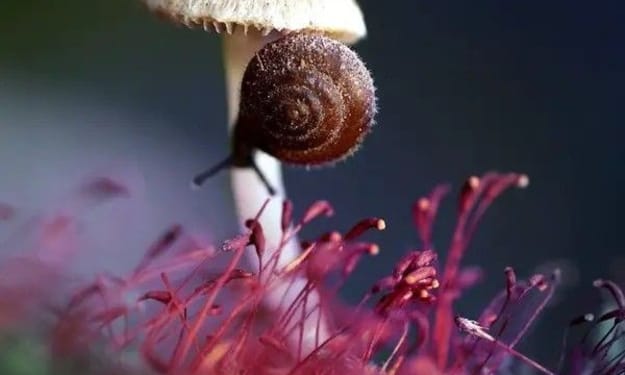
Mushrooms, often seen as the quintessential representatives of the fungal kingdom, are fascinating organisms that have intrigued humans for centuries. Their unique biology, diverse forms, culinary value, and medicinal properties make them a subject of immense interest in various fields. Biological Overview Mushrooms belong to the fungi kingdom, a group of eukaryotic organisms that also includes yeasts and molds. Unlike plants, fungi do not photosynthesize. Instead, they obtain nutrients through the decomposition of organic matter. Mushrooms are the fruiting bodies of fungi, which means they are the reproductive structures designed to produce and disperse spores. The main body of a fungus is a network of thread-like structures called mycelium, which typically exists underground or within decaying organic material. When environmental conditions are favorable - often involving a combination of temperature, humidity, and the availability of nutrients - the mycelium produces mushrooms. These mushrooms then release spores, which are analogous to seeds in plants, to propagate the fungus. Types of Mushrooms Mushrooms come in a vast array of shapes, sizes, and colors. They are broadly classified into several types based on their characteristics and uses: Edible Mushrooms: These are safe for consumption and are used extensively in cooking. Common examples include: Agaricus bisporus: Known as the common button mushroom, it is widely cultivated and consumed worldwide. Pleurotus ostreatus: Also known as oyster mushrooms, they have a delicate flavor and are popular in various cuisines. Lentinula edodes: Known as shiitake mushrooms, these are highly valued in East Asian cuisine and traditional medicine. Medicinal Mushrooms: Certain mushrooms are renowned for their health benefits and are used in traditional and modern medicine. Examples include: Ganoderma lucidum: Known as reishi or lingzhi, it is used for its supposed immune-boosting and anti-cancer properties. Cordyceps sinensis: This parasitic fungus is used in traditional Chinese medicine to enhance stamina and vitality. Psychedelic Mushrooms: These contain psychoactive compounds such as psilocybin and are used for their mind-altering effects. The most well-known species in this category is Psilocybe cubensis. Toxic Mushrooms: Some mushrooms are highly poisonous and can cause severe illness or death if ingested. Notable examples include: Amanita phalloides: Known as the death cap, it is one of the most poisonous mushrooms in the world. Amanita muscaria: Also known as fly agaric, it has hallucinogenic properties but is also toxic. Nutritional and Culinary Value Edible mushrooms are highly valued for their nutritional benefits and culinary versatility. They are low in calories and fat but rich in essential nutrients such as proteins, vitamins (especially B vitamins), and minerals (notably selenium, copper, and potassium). Mushrooms also contain dietary fiber and various bioactive compounds, including antioxidants. In the kitchen, mushrooms are prized for their umami flavor, which enhances the taste of various dishes. They can be grilled, sautéed, roasted, or used in soups, stews, and sauces. Some varieties, like truffles, are considered gourmet delicacies and command high prices in the culinary world. Medicinal Benefits Mushrooms have been used in traditional medicine for centuries, particularly in Asian cultures. Modern scientific research is increasingly validating many of these traditional uses. Some of the potential health benefits of medicinal mushrooms include: Immune System Support: Certain mushrooms, such as reishi and turkey tail (Trametes versicolor), are believed to boost the immune system by enhancing the activity of white blood cells. Anti-Cancer Properties: Compounds found in mushrooms like shiitake, maitake (Grifola frondosa), and turkey tail have shown promise in inhibiting cancer cell growth and improving the efficacy of conventional cancer treatments. Anti-Inflammatory Effects: Many mushrooms possess anti-inflammatory properties that may help in managing conditions like arthritis and other inflammatory diseases. Antioxidant Activity: Mushrooms contain antioxidants that can protect cells from damage caused by free radicals, potentially reducing the risk of chronic diseases. Ecological Significance Mushrooms play a crucial role in ecosystems as decomposers. By breaking down organic matter, they recycle nutrients back into the soil, fostering plant growth and maintaining ecological balance. Some fungi form symbiotic relationships with plants through mycorrhizal associations, where the mycelium enhances water and nutrient uptake for the plant, while the plant provides the fungus with carbohydrates. Cultural and Historical Significance Mushrooms have a rich cultural and historical significance across various civilizations. In ancient Egypt, mushrooms were considered a delicacy fit for royalty. Indigenous peoples in North America, Asia, and Europe have used mushrooms for food, medicine, and spiritual practices. The fascination with mushrooms extends into art and literature as well. They have been depicted in fairy tales, folklore, and artworks, often symbolizing mystery and the supernatural. The iconic image of the red and white Amanita muscaria, for example, is a staple in fairy tale illustrations and has inspired numerous myths and legends. Challenges and Considerations
By Goleti thirumal 2 years ago in Earth
Fighting To Keep Their Tradition Alive
Senegal is heavily impacted by environmental changes. The dilemma faced by seafaring individuals is whether to venture into the open seas or remain in their homeland. Residents are actively fighting to safeguard their land and preserve its historical charm. Growing up as a bicycle repairer on Saint Louis Island, I inherited my father's repair skills and spent countless days in the workshop. What started as cleaning bicycles eventually evolved into imaginative play, sparking my creativity and leading me to create art. The fishermen in Senegal find happiness in providing for their families and upholding ancestral traditions in Saint Louis. However, the threat of global warming and rising sea levels looms large, endangering the livelihoods of these fishermen. The environmental disaster caused by climate change and human interference has resulted in rough seas and flooding, impacting a fishing village.
By Isaac Ekow Anyidoho2 years ago in Earth
The Hidden Life of Trees: What They Feel, How They Communicate
Introduction "The Hidden Life of Trees" by Peter Wohlleben unveils the intricate and fascinating world of forests, presenting trees not merely as silent, stationary beings but as complex organisms with dynamic social lives. Wohlleben, a forester with decades of experience, combines scientific research with his observations to reveal how trees communicate, cooperate, and adapt to their environment, challenging traditional perceptions of plant life.
By Ermelita T. Engracio2 years ago in Earth
The First World Map
Throughout history, maps and charts have captivated individuals. From ancient civilizations etching maps on clay to the creation of the atlas, the art of cartography has steered explorers, sailors, and warriors. Early societies and the Greeks played a role in the evolution of maps. European expansion commenced in the 8th century BC with the founding of colonies. Homer's Odyssey offered a glimpse into the familiar world of the Mediterranean. Seafarers such as the Phoenicians ventured beyond the Mediterranean, reaching distant lands. The ship has served as a crucial instrument for exploration for millennia. Ancient maritime wisdom has vanished. The South Sea islanders sail without compasses or charts. Arabian seafarers navigate solely by the stars. The Vikings navigated without maps and accomplished significant explorations. The Vikings raided Western Europe and the Iberian Peninsula before establishing new empires. They were the first Europeans to cross the North Atlantic and settle in Iceland, Greenland, and possibly as far as New England. The Vinland Map, illustrating the Viking's journey across the Atlantic, is suspected to be a forgery. During the Middle Ages, geographical knowledge was restricted and influenced by religious convictions. Venetians, surrounded by the sea, were adept navigators and initiated global exploration. Marco Polo's factual narrative of his travels to China became widely recognized.
By Isaac Ekow Anyidoho2 years ago in Earth
The Path of Marco Polo
Imagine a journey through enchanting destinations such as Samarkand, Bukhara, Beijing, Iran, and Afghanistan. The narrator extends an invitation to Denis to accompany him on this daring escapade. Their goal is to relive the experiences of Marco Polo and immerse themselves in his world throughout the expedition. However, they find themselves in a perilous situation during a skirmish in Balkh, prompting the narrator to contemplate the possibility of not surviving the journey. Despite the obstacles, they remain resolute in their decision to press on. The narrator decides to sell his belongings to finance the trip, reflecting on the profound impact of Marco Polo's journey on human history. A 13th-century book that altered the course of history. Scholars engage in discussions regarding the authenticity of Marco Polo's accounts of his travels to China and back. Two ordinary individuals embark on a quest to retrace Marco Polo's footsteps through the Holy Land and along the Silk Road. Marco Polo's fascination with Jerusalem and his acquisition of holy oil from the Church of the Holy Sepulchre. Denis and Francis gather holy oil in preparation for their journey, drawing inspiration from the vivid landscapes of the Holy Land. They strive to fully immerse themselves in the world of Marco Polo, exploring various stops along the Silk Road, including caravanserais within protective walls.
By Isaac Ekow Anyidoho2 years ago in Earth
Climate change
In a small coastal village nestled between towering cliffs and the endless sea, there lived an old fisherman named Kaleb. His weathered hands and deeply lined face bore witness to a lifetime spent at sea, where the rhythms of nature once guided his days. But now, the tides seemed out of sync, the winds capricious, and the once predictable cycles of fish migration were disrupted. Each morning, Kaleb would set out in his small wooden boat, the *Sea Serenade*, with hopeful determination etched in his eyes. He knew every cove, every hidden shoal, and every dip in the seabed like the lines on his palm. But recently, the catches had grown smaller, the fish more scarce. The waters, once teeming with life, seemed quieter now, as if nature itself held its breath. One crisp autumn morning, as Kaleb pushed his boat into the gentle surf, he noticed a change. The sky, usually a brilliant canvas of dawn hues, was muted by a haze that clung stubbornly. The air tasted different, tinged with a metallic tang that made his throat itch. He squinted into the horizon, where distant storm clouds gathered like ominous sentinels. Days turned into weeks, and the changes became undeniable. The storms grew fiercer, their fury lashing the coastline with relentless force. The sea, once a source of solace and sustenance, now bore the scars of humanity's disregard. Plastic debris entangled the once-pristine waters, and strange, unfamiliar species began to appear, driven by warmer currents from distant shores. One evening, as Kaleb repaired his nets by the flickering light of a lantern, his grandson, Elias, approached with a solemn expression. "Grandpa," he began, his voice barely a whisper against the roar of the restless sea, "will the fish ever come back?" Kaleb paused, his heart heavy with a mix of grief and resolve. He remembered the stories of abundance, of a time when the ocean teemed with life as far as the eye could see. "We must have hope, Elias," he replied softly, his voice carrying the weight of decades of memories. "We must remember that the sea has its own rhythms, and perhaps, one day, it will heal." But as the years passed, hope wavered like a flickering flame in the face of an unyielding storm. The village, once vibrant with the laughter of children and the songs of fishermen, grew quieter. Families whispered of moving inland, seeking refuge from the encroaching waters that nibbled at the edges of their homes. One morning, as Kaleb stood on the cliff overlooking the sea, a solitary figure against the backdrop of a rising sun, he felt a bittersweet acceptance wash over him. The ocean, his lifelong companion, had changed beyond recognition. Yet, in its depths still lay the echoes of a world that once was, a world where man and nature danced in delicate harmony. As he turned to leave, a flash of silver caught his eye—a lone fish, small and resilient, darting through the crystal-clear waves below. In that fleeting moment, Kaleb glimpsed a spark of hope, a reminder that even amidst the wreckage of human folly, nature's resilience endured. And so, with a heart heavy with both sorrow and gratitude, Kaleb whispered a silent prayer to the sea, a promise to remember and to protect, as he began the long journey home.Climate change has caused a cascade of profound impacts across the planet, altering ecosystems, weather patterns, and human societies in myriad ways: 1. **Rising Temperatures**: Global average temperatures have increased significantly, leading to more frequent and intense heatwaves. This has detrimental effects on human health, agriculture, and wildlife. 2. **Melting Ice and Rising Sea Levels**: The warming climate has accelerated the melting of glaciers and polar ice caps, contributing to rising sea levels. This threatens coastal communities with increased flooding and erosion. 3. **Extreme Weather Events**: Climate change intensifies extreme weather events such as hurricanes, typhoons, and heavy rainfall. This results in more frequent and severe natural disasters, impacting infrastructure and livelihoods. 4. **Ocean Acidification**: Increased carbon dioxide levels in the atmosphere are absorbed by the oceans, causing acidification. This disrupts marine ecosystems, affecting coral reefs, fish populations, and the entire marine food chain. 5. **Shifts in Ecosystems**: Plants, animals, and entire ecosystems are shifting their ranges and behaviors in response to changing climate conditions. This can lead to mismatches in species interactions and biodiversity loss. 6. **Water Scarcity**: Changes in precipitation patterns and increased evaporation rates lead to water scarcity in many regions. This affects agriculture, industry, and access to clean drinking water for millions of people. 7. **Health Impacts**: Climate change exacerbates air pollution and the spread of infectious diseases. Heat-related illnesses, respiratory problems, and vector-borne diseases are on the rise due to changing climatic conditions. 8. **Social and Economic Disruptions**: Vulnerable communities, particularly in low-income regions, bear the brunt of climate change impacts. Displacement, food insecurity, and economic instability are exacerbated by environmental changes. 9. **Loss of Biodiversity**: Species are facing increased extinction risks as their habitats change rapidly. This loss of biodiversity reduces ecosystem resilience and compromises essential ecosystem services. 10. **Feedback Loops**: Positive feedback loops, such as the release of methane from thawing permafrost or reduced reflectivity from melting ice, further amplify climate change, creating additional challenges for mitigation and adaptation efforts. Addressing these impacts requires concerted global efforts to mitigate greenhouse gas emissions, adapt to changing conditions, and protect vulnerable communities and ecosystems from the consequences of climate change.
By Emmanuella Chisom2 years ago in Earth
ECHOES OF THE UNKNOWN
**Title: *Echoes of the Unknown*** In the remote town of Ridgeview, nestled deep in the Appalachian Mountains, life unfolded at a leisurely pace amidst the rolling hills and dense forests. Far from the hustle of city life, Ridgeview seemed untouched by time, its residents bound by a shared sense of community and a deep reverence for the natural world that surrounded them. At the heart of Ridgeview stood an old observatory, its weathered dome a silent sentinel under the expansive night sky. Dr. Emily Harper, a passionate astronomer, had dedicated her life to studying the stars and unraveling the mysteries of the universe. From her observatory, perched atop a hill overlooking the town, she spent countless nights peering through telescopes, capturing the dance of distant galaxies and the flickering light of celestial bodies. One clear summer night, as Emily adjusted her equipment and prepared for another night of observation, a peculiar anomaly caught her attention. A streak of light darted across the sky with an unnatural speed and agility, defying the laws of physics as she knew them. Intrigued and perplexed, Emily meticulously recorded the sighting, marking the coordinates and time of the event with meticulous detail. In the days that followed, whispers of Emily's discovery spread through Ridgeview like wildfire. The townsfolk, a blend of skeptics and dreamers, gathered at the local diner to discuss the strange phenomenon that had illuminated their skies. Some dismissed it as a trick of the light or a meteorological anomaly, while others speculated about visitors from distant worlds and the possibility of life beyond Earth. Among the curious souls drawn to Emily's observatory was Noah Campbell, a young aspiring journalist with an insatiable thirst for truth and adventure. Noah had grown up in Ridgeview, listening to his grandfather's tales of mysterious lights and unexplained encounters in the mountains. Determined to uncover the secrets hidden within the night sky, Noah approached Emily with an offer to document her research and share it with the world. Emily, intrigued by Noah's enthusiasm and determination, welcomed him into her world of starlit mysteries. Together, they poured over data, analyzed photographs, and delved into scientific literature in search of answers. Their collaboration bridged the gap between empirical observation and human curiosity, blending science with the timeless wonder of the unknown. As summer faded into autumn, Emily and Noah's research yielded startling revelations. The anomaly they had witnessed was not an isolated incident but part of a pattern of unexplained sightings stretching across decades. They uncovered reports from around the world, each describing similar phenomena: lights that moved with purpose, objects that defied conventional explanation, and encounters that left witnesses questioning their perception of reality. Their findings drew the attention of the scientific community and government agencies alike. Experts from NASA and other institutions joined Emily and Noah in Ridgeview, setting up temporary research stations and deploying advanced equipment to monitor the skies. The town became a focal point for astronomers, physicists, and ufologists, all seeking to unravel the mysteries that hovered just beyond their reach. But as their investigation deepened, so too did the challenges they faced. Skeptics and detractors questioned their findings, demanding concrete evidence and dismissing their discoveries as fanciful speculation. Government officials, wary of public panic and international scrutiny, imposed restrictions on the dissemination of information, casting a shadow over Emily and Noah's quest for truth. Yet, amidst the skepticism and uncertainty, Emily and Noah found solace in their shared pursuit of knowledge. They forged bonds with fellow researchers and embraced the support of Ridgeview's tight-knit community, united in their belief that understanding the unknown was a journey worth taking, no matter the obstacles. One crisp autumn night, as Emily and Noah stood beneath the observatory's dome, gazing up at the stars that had captivated them both, they felt a sense of quiet resolve. The mysteries of the universe stretched out before them, vast and incomprehensible, yet filled with the promise of discovery and understanding. In Ridgeview, where echoes of the unknown reverberated through the mountains and valleys, Emily and Noah knew that their journey had only just begun. Together, they would continue to explore the depths of the cosmos, guided by curiosity, fueled by passion, and bound by the timeless quest for truth.
By Nwite Michael 2 years ago in Earth
Cost of modernizing US Flying corps' atomic rocket stockpile increments by more than 80%
The US Aviation based armed forces' undertaking to modernize its atomic rocket weapons store is projected to cost around $141 billion, which is generally 81% more than recently expected, and will be postponed by quite a long while, authorities said Monday.
By Alfred Wasonga2 years ago in Earth
A Catholic association constructed a computer based intelligence minister. This occurred.
A cleric, running on simulated intelligence, was prepared on Catholic regulation and intended to be a state of the art device to respond to inquiries regarding confidence. The chatbot gained popularity quickly, but unintentionally. Jon Sarlin of CNN looks into Father Justin's rise and fall. AI-powered priest was designed to be a cutting-edge tool for answering questions about faith. He was educated in Catholic doctrine. The chatbot gained popularity quickly, but unintentionally. Jon Sarlin of CNN looks into Father Justin's rise and fall. AI-powered priest was designed to be a cutting-edge tool for answering questions about faith. He was educated in Catholic doctrine. The chatbot gained popularity quickly, but unintentionally. Jon Sarlin of CNN looks into Father Justin's rise and fall. AI-powered priest was designed to be a cutting-edge tool for answering questions about faith. He was educated in Catholic doctrine. The chatbot gained popularity quickly, but unintentionally. CNN's Jon Sarlin investigates the ascent (and resurrection) of Father Justin. AI-powered priest was designed to be a cutting-edge tool for answering questions about faith. He was educated in Catholic doctrine. The chatbot gained popularity quickly, but unintentionally. CNN's Jon Sarlin investigates the ascent (and resurrection) of Father Justin. AI-powered priest was designed to be a cutting-edge tool for answering questions about faith. He was educated in Catholic doctrine. The chatbot gained popularity quickly, but unintentionally. Jon Sarlin of CNN looks into Father Justin's rise and fall. AI-powered priest was designed to be a cutting-edge tool for answering questions about faith. He was educated in Catholic doctrine. The chatbot gained popularity quickly, but unintentionally. Jon Sarlin of CNN looks into Father Justin's rise and fall.
By Alfred Wasonga2 years ago in Earth
World's greatest indoor snow and ice park opens in China
The world's biggest indoor ice and snow amusement park has formally made its ways for the general population, giving guests to the city of Harbin in upper east China an opportunity to feel stormy temperatures all year.
By Alfred Wasonga2 years ago in Earth
It might seem to be pink Jello however researchers trust this new innovation could reform meat
Could you like that burger seared to perfection, all around good, or lab-developed? Scientists in South Korea say they've fostered a better approach to make lab-developed meat taste like the genuine article. It might look like a straightforward, bubble gum pink-shaded circle, yet researchers trust it could upset the meat on individuals' plates.
By Alfred Wasonga2 years ago in Earth