Science
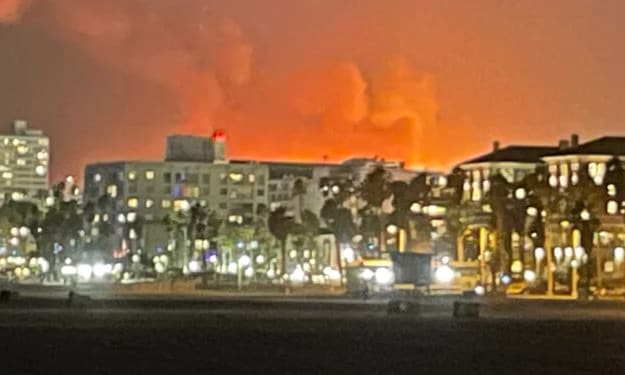
More than 9,000 structures damaged or destroyed in Palisades and Eaton fires, officials estimate. AI-Generated.
In a devastating turn of events, officials have reported that more than 9,000 structures have been damaged or completely destroyed as a result of the Palisades and Eaton fires. These raging wildfires have wreaked havoc across the affected regions, leaving behind a trail of destruction and despair. As firefighters continue their battle against the relentless flames, the extent of the damage serves as a grim reminder of the growing threat posed by wildfires in the modern era.
By Abdul Malik2 years ago in Earth
8 Lesser-Known Natural Wonders You Need to Visit
When we think of natural wonders, iconic landmarks like the Grand Canyon, Mount Everest, or the Great Barrier Reef often come to mind. Yet, the Earth is brimming with extraordinary places that fly under the radar. These lesser-known natural wonders boast breathtaking beauty and unique features that rival their famous counterparts. Here are eight awe-inspiring destinations to add to your travel bucket list. 1. The Marble Caves, Chile Nestled in the remote Patagonian region of Chile, the Marble Caves (Capillas de Mármol) are a mesmerizing network of sculpted caves carved into solid marble. These natural formations sit in General Carrera Lake and are accessible only by boat. The swirling blue and gray patterns of the caves reflect the lake’s turquoise waters, creating a dreamlike atmosphere. Best visited during sunrise or sunset, the interplay of light and water is nothing short of magical. 2. Lake Baikal, Russia Often called the "Pearl of Siberia," Lake Baikal is the world’s deepest and oldest freshwater lake. It’s also one of the clearest, allowing visitors to see up to 40 meters below the surface. In winter, the lake freezes into a striking expanse of transparent ice, adorned with natural fissures and turquoise ice formations. The lake is home to unique wildlife, including the nerpa, a freshwater seal found nowhere else on Earth. 3. Zhangjiajie National Forest Park, China Located in Hunan Province, Zhangjiajie National Forest Park is famous for its towering sandstone pillars. These pillars, some of which rise over 200 meters, inspired the floating mountains in the movie Avatar. The lush greenery and mist that often blankets the area add to its mystical charm. The park also features glass bridges and cable cars, offering thrilling ways to explore this surreal landscape. 4. The Chocolate Hills, Philippines The Chocolate Hills of Bohol Island are a geological wonder that looks like a scene straight out of a storybook. This unique formation comprises more than 1,200 perfectly cone-shaped hills, covered in green grass that turns brown during the dry season, resembling giant chocolate mounds. Scientists theorize that these hills formed from ancient coral deposits shaped by erosion, but their origin remains partly a mystery. 5. Glowworm Caves, New Zealand Deep beneath the rolling hills of Waitomo in New Zealand lies a subterranean spectacle: the Waitomo Glowworm Caves. These caves are illuminated by thousands of tiny glowworms, creating an ethereal, starry effect on the ceilings. Visitors can explore the caves through guided boat tours, drifting through an underground galaxy that feels otherworldly. 6. The Wave, USA Located in the Arizona desert near the Utah border, The Wave is a sandstone rock formation celebrated for its vibrant colors and undulating patterns. Formed by centuries of wind and water erosion, The Wave resembles a frozen ocean wave. Due to its fragile environment, only a limited number of visitors are allowed each day, making it a rare and unforgettable experience for those who secure a permit. 7. Pamukkale, Turkey Pamukkale, meaning "Cotton Castle" in Turkish, is a series of white terraces formed by mineral-rich hot springs cascading down a hillside. These terraces have been a natural spa destination for thousands of years, attracting visitors with their therapeutic waters and surreal beauty. Adjacent to the terraces lies the ancient city of Hierapolis, a UNESCO World Heritage Site that adds historical intrigue to the visit. 8. Socotra Island, Yemen Socotra Island, often referred to as the "Galápagos of the Indian Ocean," is home to some of the most unique flora and fauna on Earth. Its alien-like landscapes feature the iconic dragon’s blood tree, known for its umbrella-like canopy and red sap. Isolated from the mainland for millennia, Socotra boasts a high level of biodiversity, with species found nowhere else in the world. Its remote location makes it an off-the-beaten-path destination for adventurous travelers. Why Visit Lesser-Known Wonders? Exploring lesser-known natural wonders offers a chance to escape the crowds and discover the Earth’s hidden beauty. These destinations often provide a deeper connection to nature and a sense of exclusivity. Visiting such places also supports local communities and encourages sustainable tourism, helping preserve these treasures for future generations. Planning Your Adventure Before visiting any of these natural wonders, research the best times to go, local regulations, and ethical guidelines. Some locations, like The Wave or the Marble Caves, require permits or guided tours. Respecting nature and minimizing your impact is vital to ensure these marvels remain pristine. Conclusion The world is full of hidden gems waiting to be explored. From the shimmering glowworm caves of New Zealand to the surreal landscapes of Socotra Island, these lesser-known natural wonders remind us of Earth’s boundless beauty and diversity. Step off the beaten path and uncover these incredible destinations—you’ll be rewarded with unforgettable memories and a deeper appreciation for the planet’s wonders.
By INFO INSIDER 2 years ago in Earth
Why Is the Sea Salty, but Rivers Are Freshwater?
The ocean is one of the planet’s most mesmerizing features, stretching endlessly and shimmering under the sun. But as you stand on a beach and let the waves lap at your feet, have you ever wondered why the sea is salty, while rivers that flow into it are fresh? This fascinating question has captivated minds for centuries, and its answer lies in the interplay of geology, chemistry, and the water cycle.
By Zuzana Manová2 years ago in Earth
Where Does the Universe End, and What Lies Beyond?
The universe has always been a source of wonder and mystery. As we look up at the night sky, questions flood our minds: How big is the universe? Does it have an edge? And if it does, what could possibly lie beyond? These questions spark curiosity and challenge our understanding of existence itself. Let’s embark on a journey to explore one of the most fascinating mysteries of all time.
By Zuzana Manová2 years ago in Earth
The myths of climate change targets
The myths of climate change targets The reality of climate change has been turned into a political weapon. Climate change is ever present on earth, and it is probable that climate change is continuous on every planet that has some form of atmosphere, in all of creation. Climate change is natural but here on earth in this period of history, it has become “political”. The science gets warped and woven into political aspirations and objectives.
By Peter Rose2 years ago in Earth
The Palisades Fire: A Sobering Reminder of Nature’s Fury
The Palisades Fire: A Sobering Reminder of Nature’s Fury Wildfires are an ever-present threat to many communities across the globe, but few events have highlighted their destructive power quite like the Palisades Fire. This blaze, which erupted in the Pacific Palisades region of California, not only wreaked havoc on the local environment but also served as a chilling reminder of the growing risks posed by climate change, urban expansion, and human negligence.
By Razia Aman2 years ago in Earth
What Is The Direction Of The Rotation Of The Earth?
1. Introduction to Earth's Rotation The Earth is a complex system, unlike anything we have in our everyday experience. Even our ideas and understanding of our planet are shaped by local events that are only tangible to us. Our understanding of some of these things comes either from special experiences or from careful scientific observation and reasoning. For example, we can see the sea level and the average heat and precipitation that regulate the climate.
By SocioSphere (PressCS)2 years ago in Earth
The Only Two Countries That Start with the Letter Z
When thinking about countries of the world, some letters of the alphabet are surprisingly underrepresented. The letter Z is one such rarity, with only two countries bearing its mark: Zambia and Zimbabwe. These two nations are located in Southern Africa, share historical ties, and boast distinct yet fascinating cultures, landscapes, and stories. Let’s explore what makes these countries unique and why they deserve a spot on your travel or geography bucket list. Zambia: The Land of Waterfalls and Wildlife Zambia is often called the “Land of Waterfalls,” and for good reason. The country is home to one of the world’s most spectacular natural wonders: Victoria Falls. Locally known as "Mosi-oa-Tunya," meaning "The Smoke That Thunders," this UNESCO World Heritage site lies on the Zambezi River, which forms the border between Zambia and Zimbabwe. The sight of cascading water, combined with the thundering roar and misty spray, leaves visitors in awe. Beyond Victoria Falls, Zambia offers an abundance of natural beauty. Its national parks are renowned for wildlife safaris, where visitors can spot elephants, lions, leopards, and rare species like the shoebill stork. South Luangwa National Park, often called the birthplace of walking safaris, provides an up-close and personal way to experience nature. Zambia’s culture is as vibrant as its landscapes. With over 70 ethnic groups, the country boasts a rich tapestry of traditions, languages, and music. Traditional ceremonies such as the Kuomboka Festival of the Lozi people celebrate seasonal changes and cultural heritage. Despite its diversity, Zambia is known for its peaceful coexistence, earning it a reputation as one of Africa’s most stable countries politically and socially. Zimbabwe: A Nation of Resilience and Ruins Zimbabwe, Zambia’s neighbor to the south, is a country with a rich history and incredible resilience. It derives its name from "Great Zimbabwe," the stone city ruins that serve as a testament to the country’s medieval past. These ruins, also a UNESCO World Heritage site, were once a bustling trade hub and are a source of national pride. One of Zimbabwe’s most iconic features is its wildlife and natural parks. Hwange National Park, the largest in the country, is famous for its elephant populations and diverse ecosystems. Mana Pools National Park, another UNESCO site, offers breathtaking views of the Zambezi River and opportunities for canoe safaris, game drives, and bird watching. Despite economic and political challenges in recent decades, Zimbabweans are known for their warmth and resilience. The Shona and Ndebele peoples, the largest ethnic groups, have rich traditions expressed through music, dance, and art. The mbira, a thumb piano, is a cornerstone of Shona music and has gained international recognition. Shared Histories and Connections Zambia and Zimbabwe share more than just their initial letter. Both were once part of the British colonial system and were jointly known as Rhodesia—Northern Rhodesia for Zambia and Southern Rhodesia for Zimbabwe. They gained independence in the 20th century, Zambia in 1964 and Zimbabwe in 1980. Despite diverging paths since independence, the countries maintain strong cultural and economic ties. The mighty Zambezi River is another common thread. This river, Africa’s fourth longest, not only separates the two nations but also connects them through trade, tourism, and shared resources. Victoria Falls serves as a symbol of unity and pride for both countries. Why Zambia and Zimbabwe Should Be on Your Radar These two countries offer something for every traveler. For adventure seekers, Zambia’s walking safaris and white-water rafting on the Zambezi River are unforgettable experiences. For history enthusiasts, Zimbabwe’s Great Zimbabwe ruins and colonial-era landmarks provide deep insights into the past. Both nations are also becoming increasingly accessible to international travelers, with improved infrastructure and a focus on sustainable tourism. By visiting, you not only experience their breathtaking beauty but also support local communities striving for economic growth and conservation efforts. Final Thoughts While Zambia and Zimbabwe may be the only two countries in the world that start with the letter Z, they are anything but ordinary. From the awe-inspiring Victoria Falls to the ancient ruins of Great Zimbabwe, from diverse wildlife to vibrant cultural traditions, these nations showcase the richness of Africa’s heritage and natural wonders. Whether you’re planning your next adventure or simply expanding your geographical knowledge, Zambia and Zimbabwe are sure to leave a lasting impression.
By INFO INSIDER 2 years ago in Earth