Science
Love Beyond Humanity: Embracing Compassion That Transcends Boundaries
Love is one of the most profound emotions known to humanity. It transcends barriers, forges connections, and inspires acts of selflessness. While much of the discourse on love centers on human relationships, there is a broader and equally compelling dimension: love beyond humanity. This love manifests in the compassion we show toward animals, the environment, and even the universe itself. It reflects a deep, intrinsic connection that ties us to the world around us, reminding us of our shared existence and interdependence. #### **The Bond Between Humans and Animals**
By Nora Ariana2 years ago in Earth
Breaking Barriers: How AI Connects Us Through Communication and Creativity
Breaking Barriers: How AI Is Bridging Communication and Creativity Gaps The first time I truly saw the power of AI, I was scrolling through a social media feed filled with stories from around the world or watching football on TV. One video/ad stood out: two strangers, each speaking a different language, were laughing and connecting seamlessly, thanks to a real-time translation app that fed thru glasses and headphones. It felt like watching magic, but it wasn’t, it was technology. That moment stayed with me, not because of the technology itself, but because it showed me how AI could make the world more connected and less adversarial. Yet, even as I marveled at it, a small voice inside reminded me to stay cautious. AI makes me nervous, but it also gives me hope.
By Brun and AI makes me nervous2 years ago in Earth
Earthquakes
Earthquakes are one of nature’s most powerful and unpredictable events. They happen when the ground shakes due to movements deep inside the Earth. Earthquakes can be small and barely noticeable, or they can be large and cause serious damage to buildings, roads, and even entire cities.
By Farhan Sayed2 years ago in Earth
Earth's Hidden Treasures: Lost Continents, Subterranean Worlds, and the Secrets of Gravity
Our planet Earth, a dynamic and ever-changing entity, holds countless secrets beneath its surface and within its depths. From lost continents and hidden cities to the mysteries of gravity and the wonders of the deep sea, the Earth continues to captivate and challenge our understanding.
By Lisa Ann Bastiaan2 years ago in Earth
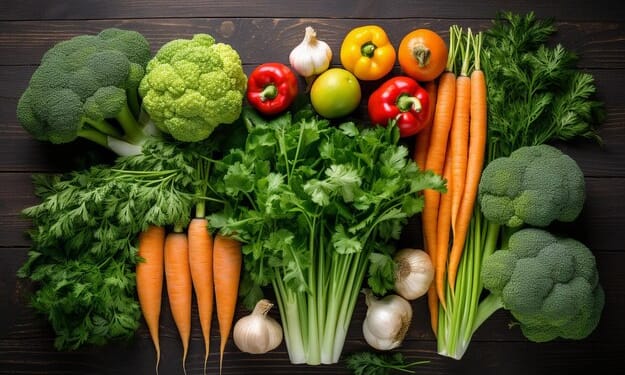
Unlock the Power of Vegetables: Your Secret to Better Health and Longevity
In the fast-paced world we live in today, we often find ourselves juggling between work, personal lives, and various obligations. Amidst all this, our health can sometimes take a backseat. However, one of the most powerful tools for maintaining health and longevity is often overlooked: vegetables. They are nutrient-packed, versatile, and readily available, making them an essential part of a balanced diet. Vegetables have been part of human diets for centuries, and their benefits have been recognized by cultures around the world. These plant-based foods are not only rich in vitamins and minerals but also provide a host of other essential nutrients that contribute to our overall well-being. This article will explore the various ways vegetables can enhance our health and why they should be an integral part of our daily lives. ### Nutrient Density: The Power of Micronutrients One of the primary reasons vegetables are considered a cornerstone of a healthy diet is their nutrient density. Nutrient density refers to the amount of vitamins, minerals, and other essential nutrients a food contains relative to its calorie content. Vegetables are packed with essential nutrients, often in high concentrations, yet they are low in calories. This means that you can consume large quantities of vegetables without significantly increasing your caloric intake, which is ideal for maintaining a healthy weight. For example, leafy greens like spinach, kale, and swiss chard are loaded with vitamins A, C, and K, as well as folate and magnesium. These nutrients play a critical role in supporting the immune system, promoting skin health, and contributing to bone strength. Cruciferous vegetables like broccoli, cauliflower, and Brussels sprouts are high in fiber, antioxidants, and compounds known as glucosinolates, which may help reduce the risk of certain cancers. Vegetables also provide an abundance of potassium, which is vital for regulating blood pressure and supporting muscle and nerve function. Sweet potatoes, beets, and tomatoes are excellent sources of this essential mineral. Additionally, vegetables like carrots, bell peppers, and zucchini are rich in beta-carotene, which is converted into vitamin A in the body and is essential for eye health. ### Fiber: A Key to Digestive Health Fiber is another crucial component of vegetables that plays a significant role in digestive health. Most vegetables, especially those with skin, are excellent sources of dietary fiber. Fiber is a type of carbohydrate that the body cannot digest, and it passes through the digestive system, providing a number of health benefits along the way. One of the most well-known benefits of fiber is its ability to support healthy digestion and regular bowel movements. Fiber helps to add bulk to stool, making it easier for the body to eliminate waste. This can help prevent constipation, promote a healthy gut, and reduce the risk of developing digestive disorders such as irritable bowel syndrome (IBS) and diverticulosis. In addition to supporting digestion, fiber also plays a key role in heart health. Studies have shown that a high-fiber diet can help lower cholesterol levels, which in turn can reduce the risk of heart disease. Vegetables like beans, peas, and carrots are excellent sources of soluble fiber, which has been shown to help lower "bad" LDL cholesterol levels in the blood. ### Antioxidants: Protecting the Body from Free Radical Damage Antioxidants are compounds that help protect the body from oxidative stress and damage caused by free radicals. Free radicals are unstable molecules that can damage cells and contribute to the aging process as well as the development of chronic diseases such as cancer, heart disease, and neurodegenerative conditions like Alzheimer's. Vegetables are a rich source of antioxidants, which play a critical role in neutralizing free radicals and protecting the body's cells from damage. For example, dark, leafy greens like spinach and kale are rich in lutein and zeaxanthin, two antioxidants that support eye health and may help reduce the risk of age-related macular degeneration. Bell peppers, tomatoes, and broccoli are high in vitamin C, an antioxidant that helps boost the immune system and protect the skin from environmental damage. Moreover, cruciferous vegetables like broccoli, cabbage, and kale contain sulfur-containing compounds known as isothiocyanates, which have been shown to have potent anti-cancer properties. These compounds may help inhibit the growth of cancer cells and reduce the risk of certain types of cancer, including breast, lung, and colon cancer.
By Nora Ariana2 years ago in Earth
Why You Need God First in Everything: Unlocking the Key to True Success and Peace
In today’s fast-paced and complex world, it is easy to get caught up in our daily responsibilities, personal ambitions, and the challenges that life throws our way. Often, in our pursuit of success and happiness, we forget the foundational truth that everything we do should begin with God. Acknowledging God’s sovereignty and seeking His guidance in every aspect of life is not only a spiritual necessity but also a practical way to achieve a fulfilling and purposeful existence. Here’s why placing God first in everything we do is essential. ### **1. God Is the Source of Wisdom and Guidance** One of the most significant reasons to put God first is that He is the ultimate source of wisdom. The Bible reminds us in **Proverbs 3:5-6**: _“Trust in the Lord with all your heart and lean not on your own understanding; in all your ways submit to Him, and He will make your paths straight.”_ This verse highlights the importance of relying on God rather than our limited human understanding. When we prioritize God in our decision-making, we open ourselves to His divine guidance. Life is full of uncertainties, and we often face crossroads where the right path is unclear. In such moments, seeking God’s direction can provide clarity and peace. By praying and meditating on His Word, we allow Him to illuminate our paths and ensure that our choices align with His will. ### **2. God Provides Strength and Peace** Life can be overwhelming, with its endless demands, trials, and tribulations. Without a firm foundation, it is easy to feel lost, anxious, or defeated. However, when we put God first, we tap into a source of unparalleled strength and peace. **Philippians 4:13** declares, _“I can do all things through Christ who strengthens me.”_ This assurance reminds us that we are not alone in our struggles. God’s peace, which surpasses all human understanding, sustains us during life’s most challenging moments. By prioritizing Him, we can experience calmness even in the midst of chaos, knowing that He is in control. When we surrender our worries and burdens to God, we are empowered to face life with confidence and resilience. ### **3. God Knows the Bigger Picture** As humans, our perspective is limited to what we can see and comprehend. However, God operates beyond the confines of time and space. He knows the past, present, and future, and His plans for us are always good. **Jeremiah 29:11** states, _“For I know the plans I have for you,” declares the Lord, “plans to prosper you and not to harm you, plans to give you hope and a future.”_ When we place God first, we demonstrate trust in His perfect plan, even when life doesn’t go as expected. It is tempting to rely on our own plans and abilities, but doing so often leads to frustration and disappointment. By surrendering our will to God and seeking His direction, we align ourselves with His divine purpose, which is always for our ultimate good. ### **4. God Helps Us Maintain Priorities** In the pursuit of success, it is easy to lose sight of what truly matters. We often prioritize material wealth, career achievements, or personal desires, forgetting that these things are temporary. However, when we put God first, He helps us maintain the right priorities. **Matthew 6:33** emphasizes, _“But seek first the kingdom of God and His righteousness, and all these things will be given to you as well.”_ This verse teaches us that when we focus on God and His righteousness, everything else falls into place. By making God the center of our lives, we can avoid the distractions of the world and stay rooted in what is truly meaningful—our relationship with Him, our family, and our service to others. ### **5. God Is the Ultimate Provider** Many people spend their lives chasing financial security, success, or recognition, believing that these will bring fulfillment. While these things can provide temporary satisfaction, they cannot fill the void that only God can fill. **Psalm 23:1** reminds us, _“The Lord is my shepherd; I shall not want.”_ God is the ultimate provider of all our needs, both spiritual and material. When we prioritize Him, we acknowledge His lordship over our lives and trust Him to supply everything we need. This trust liberates us from anxiety and frees us to live in gratitude and contentment. ### **6. Putting God First Transforms Relationships** When God is at the center of our lives, our relationships with others are transformed. God’s love flows through us, enabling us to love and serve others selflessly. **1 John 4:19** states, _“We love because He first loved us.”_ By prioritizing our relationship with God, we learn to embody Christ-like qualities such as patience, humility, and forgiveness, which strengthen our interactions with others. Moreover, seeking God’s guidance in our relationships ensures that we build connections that honor Him. Whether in friendships, marriage, or professional relationships, putting God first fosters harmony and mutual respect. ### **7. God Deserves Our Devotion** Finally, we must put God first because He deserves our devotion. He is the Creator of all things, the giver of life, and the One who sustains us. Through Jesus Christ, He has given us the ultimate gift of salvation. Our gratitude for His love and grace should compel us to honor Him in all we do. **Deuteronomy 6:5** commands, _“Love the Lord your God with all your heart and with all your soul and with all your strength.”_ This love for God should manifest in our daily lives, guiding our actions, decisions, and priorities. ### **Conclusion**
By Nora Ariana2 years ago in Earth
The Ocean's Perilous Depths: 10 Dangerous Places in the World's Waters
The ocean, our life-giving source, can also be a formidable and unforgiving force. From the depths of enigmatic sinkholes to the treacherous grip of powerful currents, these 10 locations represent some of the most dangerous places in the world's oceans. 1. The Blue Hole of Dahab, Egypt: A Diver's Cemetery
By Lisa Ann Bastiaan2 years ago in Earth
Flu Alert: What You Need to Know About Prevention, Symptoms, and Treatment
### Understanding the Flu: Causes, Symptoms, and Treatment Flu, short for influenza, is a contagious viral infection that affects the respiratory system, including the nose, throat, and sometimes the lungs. It is commonly confused with the common cold, but it is much more severe. Flu season generally peaks during the colder months, but it can affect people year-round. The flu can range from mild to severe, sometimes leading to serious complications, especially in vulnerable populations. This article will explain the causes of the flu, its symptoms, and the steps you can take to prevent and treat it. #### Causes of the Flu The flu is caused by the influenza virus, which has several different strains. The virus is categorized into three main types: A, B, and C, with type A and B being responsible for the seasonal outbreaks. Influenza viruses are constantly changing, which is why new flu vaccines are developed each year. The flu is primarily transmitted through droplets when an infected person coughs, sneezes, or talks. These droplets can land in the mouths or noses of people nearby or on surfaces, where the virus can survive for a short time. You can also contract the flu by touching a contaminated surface and then touching your face, especially your mouth, nose, or eyes. There are several factors that make some people more susceptible to the flu. The most vulnerable groups include young children, elderly adults, pregnant women, and those with weakened immune systems or chronic conditions such as asthma, diabetes, or heart disease. #### Symptoms of the Flu Flu symptoms generally appear suddenly and can vary from mild to severe. Common symptoms of the flu include: 1. **Fever**: A high fever, often above 100.4°F (38°C), is a hallmark of the flu. 2. **Chills**: You may feel cold and shivery, especially as your body temperature rises. 3. **Fatigue**: The flu often leads to extreme tiredness or fatigue that can last for days or weeks. 4. **Cough**: A dry, persistent cough is common in flu cases and can be quite bothersome. 5. **Sore throat**: The throat may feel scratchy, irritated, or painful. 6. **Runny or stuffy nose**: Nasal congestion or a runny nose are also frequent symptoms. 7. **Body aches**: Muscle aches, joint pain, and a general feeling of being sore are often reported. 8. **Headache**: A headache is a frequent symptom and can be severe in some cases. 9. **Gastrointestinal issues**: Though less common, some people, especially children, may experience nausea, vomiting, or diarrhea. Flu symptoms can appear within 1 to 4 days after exposure to the virus. Most people begin to feel better within a week, but some can experience lingering symptoms like fatigue. However, the flu can sometimes lead to complications such as pneumonia, bronchitis, sinus infections, or ear infections. These complications can be severe and life-threatening, especially for those in high-risk groups. #### How to Prevent the Flu
By Nora Ariana2 years ago in Earth
America's Artificial Sun A Major Step Toward Infinite Energy Production
America's Artificial Sun A Major Step Toward Infinite Energy Production Nuclear fusion the same process that powers the Sun has long been regarded as the ultimate clean and efficient energy source. This process can generate massive amounts of energy from minimal fuel while producing zero greenhouse gas emissions. Now America has taken a significant step toward turning this dream into reality. To make nuclear fusion practical on Earth extremely high temperatures exceeding millions of degrees Celsius and strong magnetic confinement are required. However one of the biggest hurdles has been the Greenwald limit which restricts the amount of plasma that tokamak reactors doughnut shaped reactors can sustain.
By Adnan Rasheed2 years ago in Earth
Power Cut Tour 2025. AI-Generated.
The Power Cut Tour 2025 promises to be one of the most exciting musical events of the year. With its unique theme and incredible lineup of performers, the tour is set to captivate audiences around the world. This event is not just about music; it’s about creating memories, celebrating creativity, and bringing people together.
By Farhan Sayed2 years ago in Earth