Science
NASA rover discovers out-of-place 'Skull' on Mars, and scientists are baffled
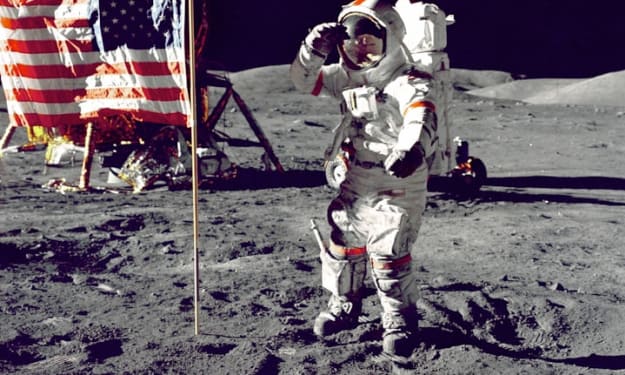
In a startling development that has reignited public imagination and scientific curiosity, a NASA rover has captured an image of what appears to be a skull-like object on the surface of Mars. The object, discovered by the Perseverance rover during its ongoing exploration of the Jezero Crater, is drawing widespread attention from scientists and spa.ce enthusiasts alike, with some calling it the most puzzling find since the infamous “Face on Mars” photographed by Viking 1 in 1976
By Sudipto Halderabout a year ago in Earth
DISCOVERY OF WORLD
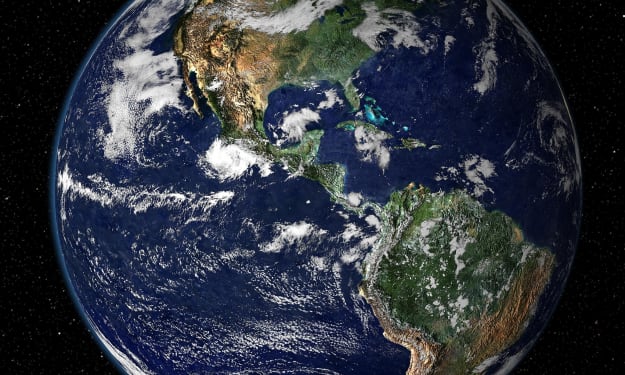
Cultural Discovery and Global Exchange The discovery of the world wasn’t just about finding new continents or drawing better maps—it was also about the meeting of people, ideas, and cultures. Throughout history, as humans ventured beyond their borders, they didn’t just bring goods; they brought languages, traditions, religions, and ways of life. These cultural exchanges shaped civilizations, inspired creativity, and sometimes even led to conflict. But in the end, they connected the world in powerful and lasting ways.
By nasrullah khanabout a year ago in Earth
The Truth We Ignore
Let's face it: your metal straw is of no use to the planet. There. I stated it. While we pat ourselves on the back for skipping a plastic bag or swapping to oat milk, the ice caps continue to melt, and billion-dollar industries keep burning the Earth with impunity. I'm not here to be pessimistic. I’m here to expose the uncomfortable truth: we’ve been sold a feel-good fantasy, and it's time we wake up. 1. The Lie of the “Green Individual” You have probably been told that we could stop climate change if everyone just made a few changes, like riding bikes more, eating less meat, and recycling better. It sounds hopeful. It gives me confidence. However, this is false. The data is not deceptive. Over 70% of global emissions are caused by a hundred businesses. They also want you to believe that you are to blame for this crisis. Why? because it is simpler for disengaged citizens than for regulated billionaires. 2. Green when it's a luxury Eco-living is often portrayed as easy. However, inform someone who works two jobs or lives in a food desert of that. Are solar panels? Out of reach. Organic products? Too expensive. Public transport? In many cities, it’s a joke. Sustainability has been packaged for the elite—and the rest are left with guilt and judgment. 3. The Development of Eco-Theater Reusable straws. Bamboo toothbrushes. Carbon offsets sold by airlines that pollute anyway. These are just props in an eco-theater meant to make us feel better, not solutions. Green capitalism sells us the illusion of change, while the real villains stay untouched. 4. The Power We Do Have But that doesn't mean we can't do something. In fact, we hold the most important tool of all: our voices. I vote for leaders with real climate policies. I support organizations with teeth, attend rallies, and sign petitions. Change doesn’t happen from the compost bin—it happens in the streets, in the courts, and at the ballot box. 5. Over with the guilt. Stop making people feel bad about not being perfect environmentalists. That mindset divides us. Let's create a pragmatic movement rather than preaching purity. One that demands real accountability, not performative progress. I still recycle. I still carry my reusable bottle. But I don’t delude myself into thinking that alone will save the planet. Because the truth is brutal: The planet is dying because profit is protected by power, not because we forgot our bags. If we want a future, we have to get real.
By BAYEZID BOSTAMIabout a year ago in Earth
NASA Finds "Skull Hill" Rock On Mars Believes It "Originated From Elsewhere"
NASA Finds "Skull Hill" Rock On Mars Believes It "Originated From Elsewhere" Mysterious Rock Formation on Mars Resembles a Skull Sparks Scientific Debate Over Its Unusual Composition and Origins
By Adnan Rasheedabout a year ago in Earth
Happy Earth Day 2025: What It Really Means and 5 Inspiring Ways to Celebrate It
Happy Earth Day 2025! While millions across the globe will post green-themed selfies, reshared quotes, and heartwarming nature snapshots, let’s pause and ask: What does Earth Day actually mean? Is it just a trending day to look eco-friendly online—or does it represent something much deeper? In a time when our planet is crying out for help, the significance of this day has never been greater. In this article, we dive into the origin and meaning of Earth Day, why Earth Day 2025 matters more than ever, and how you can make a real impact this year—no matter where you are. --- What Is Earth Day All About? Earth Day is celebrated every year on April 22 and is recognized as the largest secular civic event in the world. More than 1 billion people from over 190 countries participate annually, making it a truly global movement. The first Earth Day happened in 1970, birthed by U.S. Senator Gaylord Nelson in response to rising environmental concerns—oil spills, smog, polluted rivers, and more. It sparked a unified demand for cleaner air, water, and wildlife protections. Over the decades, Earth Day has evolved beyond pollution awareness to address climate change, sustainable living, deforestation, biodiversity loss, and environmental justice. More than a celebration, it’s a call to action. It reminds us that we all share this planet, and we must all take responsibility for its well-being. --- Why Earth Day 2025 Matters More Than Ever In 2025, our planet is at a tipping point. Global temperatures are rising faster than anticipated. The last five years have been the hottest on record. Oceans are becoming warmer and more acidic, endangering marine ecosystems that billions depend on for food and income. Extreme weather events—wildfires, floods, hurricanes—are increasing in frequency and intensity. Plastic pollution has entered our food chain, with microplastics found in drinking water, salt, and even human blood. Despite all the awareness and activism over the years, the planet’s condition is worsening. That’s why Earth Day 2025 is not just another date—it’s a critical reminder that time is running out. --- 5 Inspiring Ways to Celebrate Earth Day 2025 Don’t let April 22 be the only day you think about the environment. Here are five meaningful ways you can make a difference this Earth Day—and carry those habits forward: --- 1. Organize a Community Cleanup Rally friends, classmates, or coworkers and clean up a local park, riverbank, or neighborhood. It’s an instant way to improve your surroundings and create awareness within your community. Pro tip: Document the cleanup and share on social media using Earth Day hashtags to inspire others! --- 2. Plant Something Green Plant a tree, flowers, or start a small garden. Green spaces provide oxygen, purify the air, and reduce heat. Trees especially can absorb carbon dioxide, playing a vital role in fighting climate change. If space is limited, start with potted herbs or a balcony garden. --- 3. Host or Join a Climate Conversation Knowledge is power. Organize a mini-event or join one online. Discuss climate issues, share solutions, or invite a guest speaker to spark dialogue. These conversations can shift perspectives and influence action. --- 4. Support Sustainable and Local Businesses Vote with your wallet. Choose to buy from brands that use eco-friendly packaging, support fair labor, and prioritize sustainability. Even better, buy local to reduce carbon footprints from shipping. --- 5. Go Digital for the Earth Swap paper for pixels. Instead of handing out flyers or printing posters, share digital content. Post infographics, blog links, or climate challenges. Use your voice online to educate and motivate. --- Earth Day Is Not Just a Day—It’s a Daily Duty Posting “Happy Earth Day” once a year won’t save the planet. But consistent effort will. Use Earth Day 2025 as a launchpad, not a finish line. Take the energy and turn it into new habits: Recycle properly Conserve energy and water Reduce meat consumption Use public transport Volunteer for environmental causes Speak up when it matters Your everyday choices shape the world. When billions make better decisions, change is inevitable.
By Gideon Polycarpabout a year ago in Earth
Bearish Dollar Bets Move Toward Levels That Raise Risk of Recoil
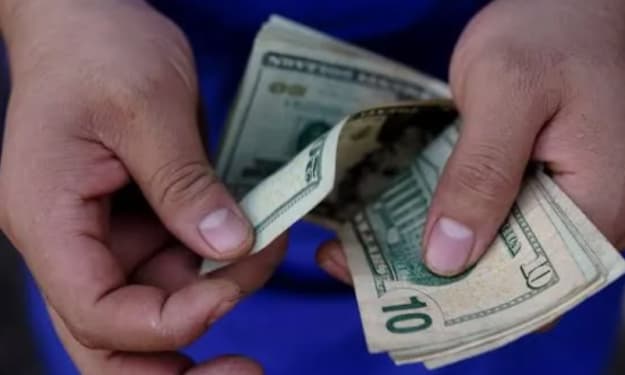
The risk of a sharp rebound is increased when bearish dollar bets reach extreme levels. April 22, 2025 The U.S. dollar is under mounting pressure as traders and investors continue to pile into bearish bets, driving the currency to multi-year lows. The crowded nature of these positions, on the other hand, is alarming financial analysts, who believe that the situation is ripe for a sudden and potentially sharp rebound—a scenario that is frequently referred to as a "short squeeze." The dollar's once-unchangeable status as the world's reserve currency is being challenged as the global financial community loses faith in U.S. economic policy and concerns about the Federal Reserve's independence grow. Yet paradoxically, a near-term rally may be sparked by this extreme bearish sentiment. Dollar drops to a low not seen in years The U.S. Dollar Index (DXY), which tracks the value of the dollar against a basket of major currencies, has dropped to its lowest level in over three years. The index has dropped nearly 9% since the beginning of 2025, indicating widespread dissatisfaction with the fiscal and monetary trajectory of the United States government. President Trump's increasingly protectionist stance, his public criticism of Federal Reserve Chair Jerome Powell, and investor concerns that the Fed's policy decisions are no longer immune from political influence are all major contributors to this decline. Global investors have moved away from the dollar and toward alternative assets like gold, the euro, and the Japanese yen as a result of these developments, which have created an atmosphere of economic uncertainty. Extremes of Bearish Sentiment Approach An unprecedented number of short positions have been created as a result of the dollar's weakness. The dollar's continued decline has been heavily bet on by institutional investors, asset managers, and hedge funds. The Commodity Futures Trading Commission (CFTC) recently released data that shows that net short positions in dollar futures have increased to their highest levels since 2020. Notably, companies like RBC BlueBay Asset Management have made their short positions public, citing a decline in investor confidence in the economic framework of the United States. Mark Dowding, BlueBay's Chief Investment Officer, stated, "The policy uncertainty in Washington is undermining the credibility of the U.S. dollar." "The dollar is no longer regarded as a safe haven." Even though the current fundamentals appear to support this overwhelming bearish consensus, seasoned traders are aware that when everyone is moving in the same direction, the risk of a countermove is greatly increased. Risks of Rebound on the horizon A sharp rebound in the dollar — even if only temporary — could be triggered by several factors. To begin, technical indicators indicate that the dollar is currently oversold. The DXY has recently experienced a false breakout and a descending triangle pattern, both of which are typically signs of reversals in technical analysis. Support levels at 95 and 90 are being closely watched, and in the event of a bounce, resistance is likely to emerge around 101 and 107. If the dollar begins to retrace, even modest upward momentum could force short sellers to cover their positions, sparking a rally.
By GLOBAL NEWSabout a year ago in Earth
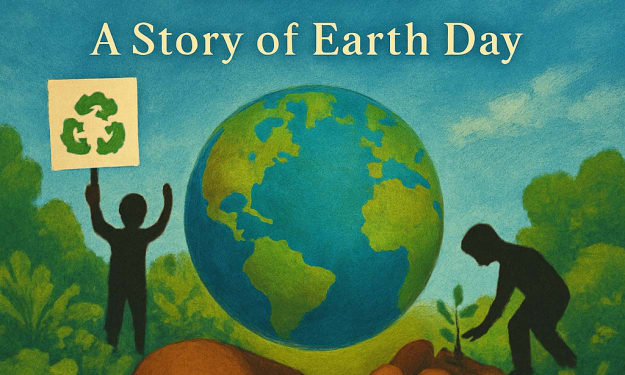
“The Day We Celebrate Our Home: A Story of Earth Day”
Every year, on April 22nd, people all over the world come together to plant trees, clean up parks, recycle, and raise awareness about protecting the environment. But have you ever wondered how Earth Day began? Like many great movements, it started with a few concerned voices and grew into something that would inspire millions.
By muhammad khalilabout a year ago in Earth
Pope Francis (2013–2025): A Shepherd of the Streets
Pope Francis flashed a wide, easy smile frequently. He thrived on direct, informal encounters: phone calls, penned notes, hugs, audiences with small groups. He broke protocol by busing his own tray at the cafeteria, carrying his own overnight bag, and responding to reporters' questions extemporaneously. He was attentive, determined, testy, mercurial, sometimes deliberate, sometimes in a hurry, hard to read, and hard to pin down. When Francis was elected to the papacy at the age of 76, he brought those characteristics to the position for a period of twelve years—until he passed away on Monday—and over time, they became more refined rather than altered. That seems to have been the most important part of his time as Pope. He brought Roman Catholicism back to the street level and the papacy down to earth through pure personability, similar to what John XXIII had done six decades earlier when he convened the Second Vatican Council. It doesn't seem that long ago that Benedict XVI unexpectedly resigned—the first Pope to do so in six centuries—and Jorge Mario Bergoglio, the Cardinal Archbishop of Buenos Aires, was elected Pope. He remained a man who wasn't defined by his role despite Church scandals involving clerical sexual abuse and Vatican finances and open resistance from doctrinal and liturgical traditionalists. That was March, 2013, and the images from Francis’s first weeks in office are still fresh in mind: returning to the hotel where he’d stayed prior to his election to pay his bill, setting up residence in a plain modern guesthouse rather than the Apostolic Palace, trading the papal Mercedes-Benz for a Fiat. This Pope was new in many respects: the first Jesuit Pope, the first Pope from the Americas, the first to take the name Francis, after the Italian saint known for his embrace of poverty and his care for the natural world.
By Mahafuj Alamabout a year ago in Earth