Science
Indian missile attack on Pakistan
India-Pakistan Tensions: Developments on May 7, 2025 Both India and Pakistan have a long and complicated history of geopolitical tension that is rooted in historical conflicts, territorial disputes, particularly over Kashmir, and divergent political ideologies. While both nations have engaged in dialogues and ceasefires in recent years, flare-ups along the border or through proxy engagements remain a persistent threat. On May 7, 2025, a significant military incident reportedly took place along the Line of Control (LoC) and in disputed regions, raising fresh concerns over regional stability.
By Dr Sazidul about a year ago in Earth
The Galaxy
The galaxy tells a living story, a cosmic poem written in the language of light and time, and is more than just a whirling mass of stars, gas, and darkness. We gaze at the night sky and see only pinpricks of brilliance, but hidden within those distant suns are mysteries that defy human understanding. Some secrets are so profound that they ring true not only in our heads but also in our hearts. We travel here beyond the cold facts and into the center of the galaxy, where wonder and science meet. The Galaxy Whispers to Us Did you know that the Milky Way sings? Not in the way we hear sound, but in vibrations that ripple through space. Stars emit frequencies, pulsing like celestial heartbeats. These vibrations have been turned into sounds by astronomers, revealing an eerie and beautiful symphony that has been playing for billions of years. Our galaxy is also moving—not just in rotation, but in a grand, cosmic dance. In the Centaurus constellation, the Milky Way is being pulled toward something massive and incomprehensible. Scientists call it the "Great Attractor," a gravitational anomaly so powerful that it bends the paths of galaxies like a siren’s call. The fact that it propels us toward an unspecified future is all that is known about it. The Undiscovered Space Oceans We think of space as a vast desert, but it holds more water than all of Earth’s oceans combined. Hidden within molecular clouds—the birthplaces of stars—are trillions of floating ice particles. Some of these icy wanderers eventually crash onto planets, seeding them with the very essence of life. Even more astonishing: there are planets made entirely of diamond. Super-Earths like 55 Cancri e are so carbon-rich that their cores have crystallized into gigantic cosmic gems. Imagine a world where mountains are made of diamond, glittering under the light of an alien sun. The Ghosts of Dead Stars When massive stars die, they do not fade quietly. They explode in supernovae that shine so brightly for weeks that they outshine entire galaxies. But some leave behind something stranger—zombie stars. These are neutron stars, the collapsed cores of dead suns, spinning hundreds of times per second. Their gravity is so intense that a single teaspoon of their material would weigh a billion tons on Earth. Some neutron stars, called magnetars, have magnetic fields so powerful they could erase the data from every credit card on Earth from halfway across the galaxy. Our atmosphere would be destroyed in a matter of seconds if one erupted close to our solar system. Yet even these terrifying remnants are not the end. Black holes form when some stars collide, openings into the unknown. One of the galaxy's deepest secrets is located here... Contrary to popular belief, black holes Black holes are often imagined as cosmic vacuum cleaners, devouring everything. However, they might be completely different things—gateways. Black holes could be time machines or tunnels to other universes, according to some theories. Inside, the laws of physics break down. Space and time twist into knots. "Spaghettification," in which the tidal forces of a black hole stretch objects like taffy until they are torn apart atom by atom, is another eerie phenomenon. Yet, some scientists speculate that information swallowed by a black hole is not lost forever. It might be encoded on the event horizon, like a cosmic fingerprint, waiting to be read. The Invisible Web of the Galaxy Most of the galaxy is made of something we cannot see. Galaxies are held together like an invisible skeleton by dark matter, a substance that is hard to see and unfathomable. Without it, stars would fly apart into the void. Yet, despite making up 85% of the universe’s mass, we still do not know what it is. Even stranger is dark energy, an unknown force causing the universe to expand faster and faster. One day, it may tear galaxies apart in a distant future called the "Big Rip." Do We Exist Alone? The Unanswered Question The Milky Way contains over 100 billion stars, each with the potential for planets. Statistically, life should exist elsewhere. Yet, the universe is silent. This is the Fermi Paradox—if aliens are out there, why haven’t we found them? Perhaps civilizations rise and fall too quickly. Maybe they are hiding. Or, most haunting of all—maybe we are the first. It's possible that the galaxy is awaiting our discovery of its full mystery. The Universe Is Within Us. Here is the most beautiful secret of all: We are made of stardust. Every atom in our bodies was forged in the hearts of dying stars. The iron in our blood, the calcium in our bones, the oxygen we breathe—all were scattered across space by supernovae billions of years ago. When we look up at the night sky, we are not just observers. We are the galaxy gazing back at itself. The universe is not outside of us—it is us. And that is the most puzzling of all mysteries.
By Mickey luvelabout a year ago in Earth
The Silent Countdown: Why Earth’s Last Breath Won’t Be from Climate or Comets” . AI-Generated.
In a world obsessed with end-of-the-world movies and sudden doomsday plots—climate catastrophe, AI takeovers, nuclear war, asteroid collisions—few have considered the possibility that the end would not arrive with a bang, but in a stifled gasp. A new study by Toho University in Japan, supported by NASA data, has placed a chilling new spin on Earth's distant future. It won't be fire or flood that will snuff out life as we know it, but the gradual and irreversible draining of oxygen.
By MD NAZIM UDDIN about a year ago in Earth
US on High Alert: Pentagon Confirms Mysterious Signal Traced to Russian Space Anomaly Now Feared as Major Threat. AI-Generated.
US on High Alert: Pentagon Confirms Mysterious Signal Traced to Russian Space Anomaly Now Feared as Major Threat Washington, D.C. – May 6, 2025
By Adnan Rasheedabout a year ago in Earth
A Heartfelt Plea: Nurturing Voiceless Creatures in the Summer Heat
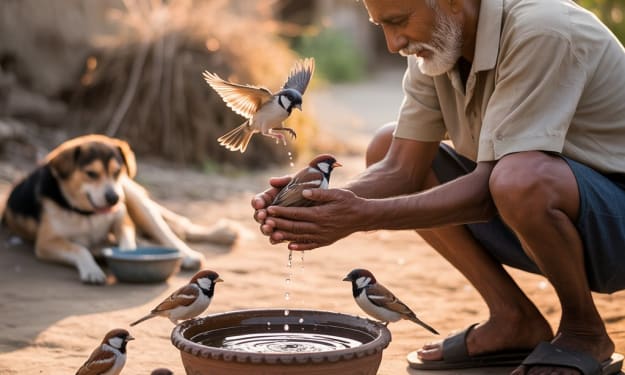
**A Compassionate Call to Care for Voiceless Creatures: Supporting Birds and Animals in the Scorching Heat** The image before us paints a heartwarming scene that speaks volumes about compassion, empathy, and humanity. An elderly man, dressed in traditional attire, kneels beside a water tap, gently holding a small metal container as water flows into it. Around him, small sparrows gather—some perched on his shoulder, others drinking from the container, and a few splashing in the tiny puddle formed on the ground. The setting is simple, rustic, with a mud wall and a bucket nearby, yet the message it conveys is profound and universal. In the sweltering heat of summer, when the sun blazes mercilessly, this image serves as a reminder of our duty to care for the voiceless creatures around us—birds and animals who suffer silently and depend on us for their survival. As the current date marks May 06, 2025, we find ourselves in the peak of summer in many parts of the world. The rising temperatures, often exceeding bearable limits, pose a severe challenge not only to humans but also to the countless birds and animals who lack the means to express their suffering. This 2000-word article aims to evoke emotions of compassion and inspire action, urging us to extend a helping hand to these innocent beings by ensuring their access to water, food, and other essential needs during this harsh season. ### The Plight of Birds and Animals in Summer Summer, with its unrelenting heat, transforms the environment into a hostile place for wildlife. Natural water sources such as ponds, rivers, and puddles dry up under the scorching sun, leaving birds and small animals struggling to find even a drop to quench their thirst. The lack of water leads to dehydration, which can be fatal, especially for smaller creatures like sparrows, squirrels, and stray dogs or cats. Birds, in particular, face immense challenges as they fly long distances in search of water, often exhausting themselves in the process. Many succumb to heatstroke or starvation, as the energy they expend in their search leaves them too weak to hunt for food. The image of the elderly man providing water to sparrows is a poignant reminder of the struggles these creatures face. Sparrows, once a common sight in urban and rural areas alike, are now dwindling in numbers due to habitat loss, pollution, and climate change. The heat exacerbates their plight, making survival a daily battle. Similarly, stray animals like dogs and cats, often overlooked in bustling cities, roam the streets in search of water and food, their tongues hanging out as they pant in desperation. The sight of a parched animal or a bird collapsing from exhaustion is heart-wrenching, and yet, it is a reality that unfolds around us every summer. ### The Emotional Connection: Why Compassion Matters Compassion is a fundamental human emotion that connects us to all living beings. When we see the elderly man in the image tenderly offering water to the sparrows, we are reminded of the innate kindness that resides within us. His actions are not driven by obligation but by a deep sense of empathy—a recognition that these small creatures, though voiceless, feel thirst, hunger, and pain just as we do. The sparrows, with their tiny beaks dipping into the water, symbolize trust. They have placed their faith in this man, and in doing so, they remind us of the sacred bond between humans and nature. Caring for birds and animals in the summer is not just an act of kindness; it is an expression of our humanity. When we provide water to a thirsty bird or food to a hungry stray, we experience a profound sense of fulfillment. The joy of watching a sparrow splash in a puddle or a dog wag its tail after a meal is unparalleled. These small acts of compassion ripple outward, fostering a sense of community and shared responsibility. They teach us to be mindful of the world around us, to listen to the silent cries of those who cannot speak, and to act with love and care. ### Providing Water: A Lifeline for Survival The most immediate and critical need for birds and animals in summer is access to clean, fresh water. The elderly man in the image sets a perfect example by using a simple metal container to collect water from a tap and offer it to the sparrows. This small gesture can be replicated by each one of us, regardless of where we live or how busy our lives may be. To provide water for birds, place shallow containers or bowls filled with water in your garden, balcony, or terrace. Ensure that the containers are not too deep, as smaller birds like sparrows can drown in deep water. Adding a few pebbles or stones to the container can give birds a place to perch while they drink or bathe. For animals like stray dogs and cats, place water bowls in shaded areas near your home or in public spaces where they are likely to pass by. It’s essential to check and refill these containers daily, as water evaporates quickly in the heat, and stagnant water can become a breeding ground for mosquitoes or bacteria. In rural areas, where natural water sources are scarce, you can take inspiration from the image and use a tap or a bucket to create a small watering station. In urban settings, where concrete jungles dominate, placing water bowls on rooftops or near trees can attract birds and provide them with a much-needed respite. The key is to make water accessible and safe, ensuring that these creatures can hydrate without risking their lives. ### Ensuring Food: Nourishing the Hungry While water is a priority, food is equally essential for the survival of birds and animals during summer. The heat often disrupts their natural feeding patterns, as insects and seeds become harder to find. Birds, especially, struggle to find enough food to sustain themselves and their young ones. Stray animals, too, face scarcity, as garbage piles—their primary food source in cities—may not provide enough sustenance. For birds, you can create simple feeding stations alongside your water containers. Scatter grains like rice, millet, or seeds in a flat tray or on the ground in a safe area. Avoid feeding them processed or salty foods, as these can harm their delicate systems. Bread, for instance, may seem like a good option, but it lacks the nutrients birds need and can cause health issues. Instead, opt for natural foods that align with their diet. If you’re unsure, observe the birds in your area—sparrows, for example, love small grains and seeds, as depicted in the image where they gather around the elderly man. For stray animals, providing food can be as simple as leaving out leftovers like cooked rice, vegetables, or meat (without spices or salt). Many communities have started initiatives to feed strays, and you can join or start such efforts in your neighborhood. If you encounter an injured or malnourished animal, consider reaching out to local animal welfare organizations for support. Feeding strays not only helps them survive the heat but also builds a bond of trust, as they begin to recognize you as a source of care. ### Shelter and Safety: Protecting the Vulnerable Beyond water and food, birds and animals need shelter to escape the harsh sun. The heat can be particularly brutal for small creatures, causing heatstroke or exhaustion. Providing shade and safe spaces can make a significant difference in their survival. For birds, you can create makeshift shelters by placing wooden boxes or nesting materials in shaded areas. Planting trees or shrubs in your garden not only provides shade but also attracts birds by offering a natural habitat. In the image, the mud wall and the tap provide a shaded spot for the sparrows, illustrating how even the simplest structures can offer relief. For stray animals, ensure that they have access to shaded areas where they can rest. If you notice a dog or cat lying in the open sun, gently guide them to a cooler spot if possible. Avoid tying up animals in the heat, as this restricts their ability to seek shade. If you have the means, consider building a small shelter using cardboard or wood, placing it in a quiet corner where strays can feel secure. Safety is another critical aspect. When providing water and food, ensure that the area is free from predators or hazards. For example, keep water bowls away from busy roads to prevent accidents. Similarly, if you’re feeding birds, make sure the feeding area is not easily accessible to cats or other predators. The goal is to create a sanctuary where these creatures can eat, drink, and rest without fear. ### The Ripple Effect of Compassion The act of caring for birds and animals in summer goes beyond meeting their immediate needs—it creates a ripple effect that touches lives in unexpected ways. When you place a bowl of water on your balcony and see a sparrow drinking from it, you feel a sense of connection to nature. When you feed a stray dog and watch its tail wag in gratitude, you experience the joy of giving. These moments of compassion inspire others to follow suit, fostering a culture of kindness and empathy. In many cultures, feeding birds and animals is considered a noble act, often associated with spiritual growth and good karma. The elderly man in the image embodies this tradition, his weathered hands and gentle demeanor reflecting a life of wisdom and care. His actions remind us that compassion is timeless—it transcends age, culture, and circumstance. By following his example, we not only help the voiceless but also nurture our own souls. Moreover, involving children in these acts of kindness can instill values of empathy and responsibility from a young age. Encourage kids to help you fill water bowls or scatter grains for birds, teaching them the importance of caring for all living beings. These small lessons can shape their worldview, making them more compassionate and aware individuals. ### Community Efforts and Awareness While individual efforts are impactful, collective action can amplify the effect. Communities can come together to create larger initiatives for supporting birds and animals during summer. Organize awareness campaigns in your neighborhood, encouraging residents to set up water and feeding stations. Share tips on social media platforms, inspiring others to join the cause. In schools, teachers can educate students about the importance of helping wildlife, perhaps even organizing field activities where children can set up bird feeders or water stations. Local governments and organizations can also play a role by installing public water stations for strays in parks or busy areas. In some cities, volunteers have created “community fridges” for strays, where people can leave food and water for animals in need. Supporting such initiatives, whether through participation or donations, can make a significant difference. ### A Call to Action: Be the Change The image of the elderly man and the sparrows is more than just a picture—it’s a call to action. It urges us to step out of our comfort zones and extend a helping hand to the voiceless creatures around us. The summer of 2025 is here, and with it comes the responsibility to ensure that birds and animals do not suffer in silence. By providing water, food, shelter, and safety, we can give them a fighting chance to survive the heat. Let’s take inspiration from the man in the image and make compassion a part of our daily lives. Place a bowl of water on your balcony. Scatter some grains for the birds. Feed a stray dog in your street. Create a shaded spot for a tired animal to rest. These small acts of kindness can save lives and bring a smile to your face. More importantly, they remind us of our shared humanity and the interconnectedness of all life on this planet. As the sun blazes above, let’s be the shade for those who need it. Let’s be the water that quenches their thirst, the food that fills their bellies, and the shelter that keeps them safe. In doing so, we not only help the voiceless but also enrich our own lives with the beauty of compassion. The sparrows in the image are counting on us—let’s not let them down.
By Umair Ali Shah about a year ago in Earth
The Eta Aquarid meteor shower peaks tonight: Here's how to see fragments of Halley's comet burn up in the atmosphere.
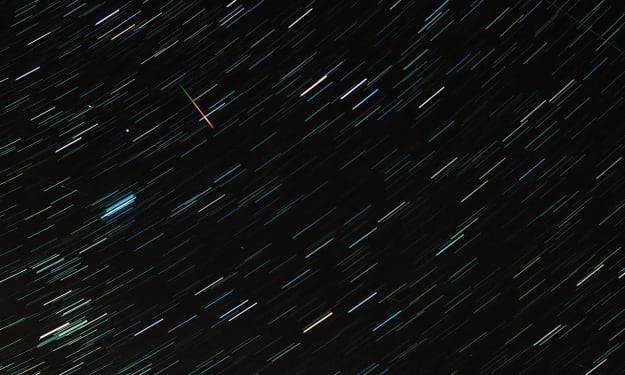
The Eta Aquarid meteor shower peaks tonight: Here's how to see fragments of Halley's comet burn up in the atmosphere. Get ready for a celestial show! This evening marks the peak of the Eta Aquarid meteor shower, one of the most spectacular displays of shooting stars this spring. Skywatchers will be able to see fragments of the famous Halley's Comet disintegrate in Earth's atmosphere in a brilliant flash of light. This annual meteor shower is renowned for its fast, bright meteors, some of which leave glowing trails that linger for seconds. If you’ve ever wanted to catch a glimpse of Halley’s Comet—which won’t return until 2061—this is your chance to see its cosmic debris put on a stunning show
By Muntasir Mahmud Saadabout a year ago in Earth
Palestine-Israel latest war situation
The Current Situation in the Israel-Palestine Conflict (May 2025) The conflict between Israel and Palestine continues to be one of the most tragic and deeply rooted geopolitical crises of the modern era. The situation continues to rapidly evolve as of May 2025, particularly in the wake of the war that broke out in October 2023. While international diplomacy has been active, peace remains elusive, and the humanitarian toll continues to rise.
By Dr Sazidul about a year ago in Earth
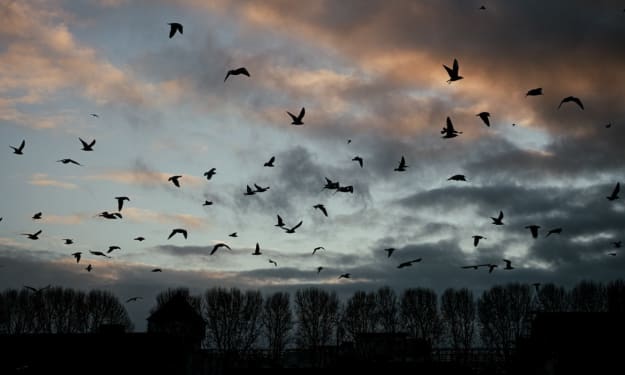
Scientists Issue Urgent Warning After Alarming Collapse of Bird Populations Across the U.S We Have a Full On Emergency
Scientists Issue Urgent Warning After Alarming Collapse of Bird Populations Across the U.S We Have a Full On Emergency In a dire new report scientists have issued an urgent warning about the drastic decline in bird populations across the United States. The findings released in the 2025 U.S State of the Birds Report reveal that nearly three quarters of native bird species in North America are experiencing serious population declines prompting researchers to declare We have a full on emergency. The report led by the Cornell Lab of Ornithology in collaboration with leading conservation groups analyzed data from hundreds of species across all major bird habitats in North America. The results are nothing short of alarming. Since 1970 the U.S. has lost nearly 3 billion birds roughly one in four birds and the trend continues. Grassland birds have seen the steepest declines losing over 50% of their populations in just a few decades. Species such as the Eastern Meadowlark and Bobolink are disappearing at unprecedented rates. Birds of arid regions and shorebirds are also suffering with some populations shrinking by more than 30%. Even waterfowl once considered a conservation success story are now in decline. According to the report habitat loss is the primary driver of this ecological collapse. Urban sprawl agricultural expansion deforestation and wetland drainage have all contributed to the degradation and fragmentation of natural ecosystems. Climate change compounds the problem by disrupting migratory patterns breeding seasons and food availability. Increasingly frequent droughts rising temperatures and shifting weather systems are making it difficult for many species to adapt. The use of pesticides and herbicides has further reduced insect populations depriving insect eating birds of their primary food source. Moreover light pollution and glass buildings in cities lead to the deaths of hundreds of millions of birds each year through collisions and disorientation. We are witnessing a widespread ecological unraveling said Amanda Rodewald, a senior scientist at the Cornell Lab. Birds are indicators of environmental health. When they decline it means ecosystems are failing and that has consequences for all of us.
By Adnan Rasheedabout a year ago in Earth