Science
Destruction of Indian Fighter Jets in the 2025 Conflict
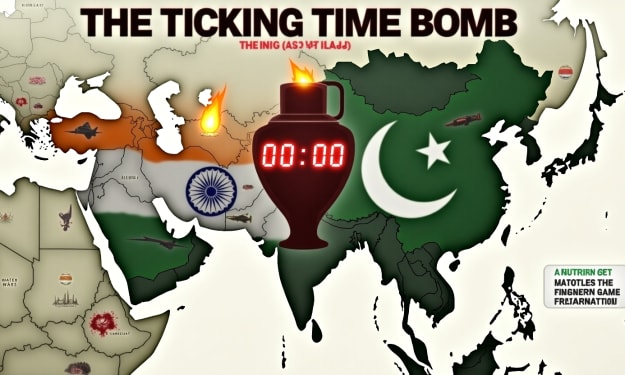
Destruction of Indian Fighter Jets in the 2025 Conflict: A Blow to Air Superiority During the early days of the fictional 2025 India-Pakistan conflict, the skies over Jammu and Kashmir became a battleground for control of airspace, and the destruction of several Indian Air Force (IAF) fighter jets marked one of the most significant military setbacks for India in the opening week of the war.
By Sumon Ahmedabout a year ago in Earth
The India-Pakistan War of 2025: A Hypothetical Analysis
The India-Pakistan War of 2025: A Hypothetical Analysis As of October 2023, there are no credible reports or indications of an imminent war between India and Pakistan in 2025. However, given the long-standing tensions and unresolved disputes, especially over Kashmir, exploring a hypothetical scenario can shed light on regional dynamics and the importance of diplomacy. This article delves into what a potential conflict in 2025 might entail, its causes, possible consequences, and the global implications.
By Sumon Ahmedabout a year ago in Earth
The India-Pakistan Conflict of 2025: An Overview
The India-Pakistan Conflict of 2025: An Overview As of October 2023, there is no record or credible information regarding a war between India and Pakistan in 2025. However, understanding the historical context and potential scenarios that could lead to such a conflict can provide insight into regional stability and security concerns. This article explores the hypothetical situation of an India-Pakistan war in 2025, considering the factors that might contribute to such a conflict, its potential impacts, and the importance of diplomatic efforts to prevent escalation.
By Sumon Ahmedabout a year ago in Earth
India-Pakistan War 2025
India-Pakistan War 2025: A New Chapter in an Old Conflict Byline: May 2025 In one of the most alarming escalations between two nuclear-armed neighbors in recent decades, India and Pakistan entered open conflict in early April 2025, sparking global concern over the future of South Asian stability. Though hostilities have now quieted following a tentative ceasefire agreement brokered by international mediators, the India-Pakistan War of 2025 marks a grim reminder of the fragile peace that has long hung over the region.
By Sumon Ahmedabout a year ago in Earth
Indian Prime Minister Narendra Modi begs for forgiveness from Pakistani Prime Minister Shehbaz Sharif
The history of India and Pakistan has been shaped by conflict, with a legacy of multiple wars and decades of political and military tension. Since gaining independence from British colonial rule in 1947, the two nations have fought several wars—primarily over the disputed region of Jammu and Kashmir, a mountainous area in the north of the Indian subcontinent. These wars, along with ongoing skirmishes and diplomatic standoffs, have deeply impacted the geopolitical dynamics of South Asia and continue to influence international relations in the region.
By Sumon Ahmedabout a year ago in Earth
There are 14 billion insects for every human on Earth.. AI-Generated.
There Are 14 Billion Insects for Every Human on Earth: Unraveling the Hidden World of Insect Populations Introduction Have you ever thought about how many insects share our planet? Surprisingly, for every person, there are about 14 billion insects. That number is almost hard to imagine! These tiny creatures may seem insignificant, but they play a huge role in keeping Earth healthy. Insects are essential for pollinating plants, breaking down waste, and supporting other animals. Yet, many people overlook their importance. This article will explore how scientists estimate insect numbers, why insects are so numerous, and what we can do to protect them. Understanding this hidden world can change how we view Earth's most abundant creatures. Understanding the Insect Population Scale The Global Insect Census: How Do We Count Billions of Insects? Counting insects on a global scale is no small task. Scientists use methods like trapping, sampling, and counting insects in different areas. They also rely on pictures, videos, and citizen science projects to gather data. Computer models help estimate the total number by analyzing these samples. Still, because insects are everywhere—from dark caves to tall trees—getting an exact count is nearly impossible. Despite these challenges, estimates help us understand just how big insect populations really are. How Do Insect Numbers Compare to Other Species? Insects are by far the most common animals on Earth. There are more insects than there are mammals, birds, or fish combined. For example, over 80% of all known species are insects, many of which live in the soil or forests. Their numbers dwarf those of larger animals and make them the dominant group in many ecosystems. Insects dominate both land and water environments, proving how crucial they are in shaping life on Earth. Why Are Insect Populations So Large? Insects can multiply rapidly. Many species lay hundreds of eggs at once, and their short lifespans mean populations can grow fast. They are also highly adaptable and can survive in tough conditions. This helps insects thrive in almost every part of the world. Their diversity means there's a kind of insect for almost every environment, which keeps their numbers high. This combination of quick reproduction and adaptability makes insects the most numerous group of animals on Earth. Key Insect Species and Their Ecological Roles Pollinators: The Backbone of Food Production Pollinators like bees, butterflies, and beetles are vital for growing fruits, vegetables, and flowers. They transfer pollen from one plant to another, helping plants produce seeds. Without pollinators, many crops would fail, and food supplies could shrink. It's estimated that about 75% of flowering plants depend on insects for pollination. Their work supports the food chain and helps keep our world fed. Decomposers and Soil Aerators Insects also help break down dead plants and animals. Beetles, ants, and termites eat organic waste and turn it into soil nutrients. This process is called decomposition and keeps the Earth's nutrients cycling. Healthy soil means better crops and greener landscapes. Without these insects, waste would pile up, and ecosystems would suffer. They are the quiet workers that keep nature balanced. Insect Predators and Pest Species Some insects hunt pests and control populations naturally. Ladybugs, for example, eat aphids that damage crops. Predatory beetles and spiders also help keep pest numbers low. On the flip side, some insects like mosquitoes and flies can spread diseases. Managing these insects is essential for our health. Understanding their roles helps us support beneficial insects while controlling harmful ones. The Impact of Insect Populations on Human Life Agriculture and Food Security Insects help grow our food in big ways. Pollination boosts crop yields, while pest-eating insects reduce the need for chemicals. When insect numbers drop, farmers face lower harvests and higher costs. Recent declines threaten our future food supply. Protecting insects isn’t just about bugs; it’s about feeding the world. Ecosystem Services and Environmental Health Insects keep ecosystems running smoothly. They support animals, plants, and soil health. When insect populations decline, entire ecosystems can weaken. This affects the quality of air, water, and habitats we all depend on. Protecting insects is a step toward healthier Earth. Insects as Disease Vectors and Public Health Some insects, like mosquitoes and flies, carry diseases that threaten humans. Mosquitoes spread malaria and dengue, while flies can transmit bacteria. Controlling these insects is vital for public health. Using proper pesticides and eliminating standing water can reduce disease risk and save lives. Challenges Facing Insect Populations Today Insect Decline and Its Causes Alarm bells ring louder as insect numbers fall worldwide. Habitat loss, pesticides, pollution, and climate change all pressure insect populations. Urbanization destroys natural homes, while chemicals wipe out entire insect communities. These threats put Earth’s balance at risk. The Honeybee Crisis and Colony Collapse Disorder Honeybees, key pollinators, are vanishing in some regions. Colony Collapse Disorder (CCD) leaves hives empty without a clear reason. Since honeybees are vital for many crops, their decline is worrying. If bees disappear, both wild pollinators and agriculture suffer. Conservation Efforts and How to Help There’s good news—people are taking action. Creating pollinator gardens, reducing pesticide use, and protecting natural habitats can boost insect populations. Simple steps like planting native flowers and avoiding harmful chemicals make a difference. Everyone can play a part in keeping insects alive. The Future of Insect Populations and Ecosystem Health Scientific Research and Innovation Scientists are developing new ways to track insects. Technologies like drones and tiny sensors help monitor populations in real time. Their research provides better solutions to prevent declines and support biodiversity. Policy and Global Initiatives Countries are creating laws to protect insect habitats. International agreements aim to reduce pesticide overuse and stop habitat destruction. Governments, NGOs, and local communities all work together to preserve insect diversity. What Can Be Done on an Individual Level? You can make a difference. Plant native flowers, create a insect-friendly garden, and avoid pesticides. Support brands that follow sustainable practices. Every small act helps rebuild healthy insect populations and, in turn, supports life on Earth. Conclusion The fact that there are 14 billion insects for every human shows just how dominant and important they are. These tiny creatures serve as pollinators, decomposers, and pest controllers. They make our ecosystems thrive and protect our health. Yet their numbers are dropping, and that’s a concern for everyone. We need to recognize our connection with insects and take steps to defend their future. Protecting insects means protecting our planet and securing a balanced world for generations to come.
By Story silver book about a year ago in Earth
Climate Change Collapse: The Truth They’re Still Not Telling You
Global temperatures are up. Weather extremes are hitting record levels. Wildfires, floods, food shortages, and mass migrations aren’t some future sci-fi scenario — they’re happening now, and accelerating.
By Rukka Novaabout a year ago in Earth
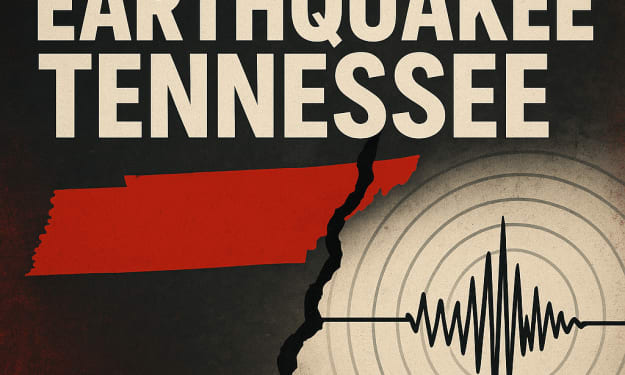
Mild Earthquake in Tennessee Felt Across the Southeast: What You Need to Know. AI-Generated.
On [insert date], a magnitude 3.6 earthquake struck near Nashville, Tennessee, sending subtle but noticeable tremors across Alabama, Georgia, Kentucky, and the Carolinas. While no major damage was reported, the rare seismic event startled residents unaccustomed to earthquakes in the region.
By Abdul Basitabout a year ago in Earth