Nature
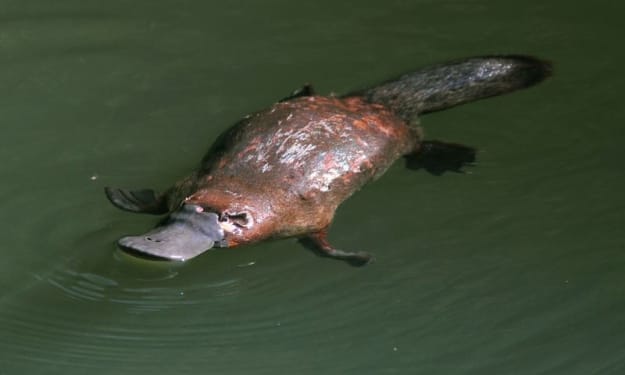
THESE ANIMALS LOST THEIR STOMACHS.WHY?
Did you hear that? Oh, it's my stomach reminding me of the very important role it plays in my life. But for some animals, Evolution wound up sidelining this organ and its digestive juices. What? That's right, from puffer fish to platypuses, many species that you'd assume were rocking a stomach are in fact getting by just fine without one. And scientists are starting to piece together the evolutionary story of why all of these animals made the gutsy move to lose them.
By Aleksa Pajic3 years ago in Earth
The Symphony of Life:
Life is a mesmerizing symphony, and the human body ages are its soul-stirring movements. From the enchanting beauty of youth to the poignancy of old age, this journey through time unravels the intricacies of existence. Every phase has its own unique charm, offering valuable lessons and wisdom. Let us embark on a sweet mellow but true story that explores the symphony of human aging.
By JAMIL MAYANJA3 years ago in Earth
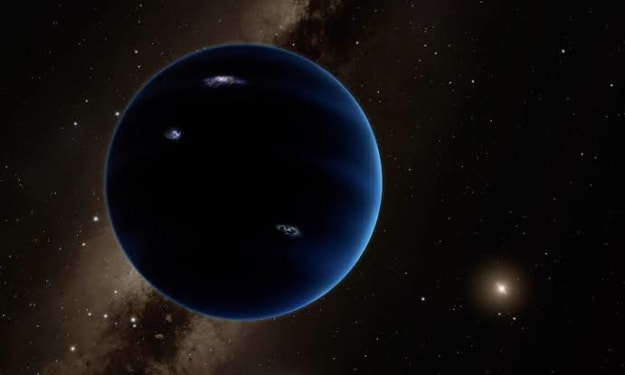
Voyage of Wonder: Unraveling the Cosmic Mysteries. Content Warning.
Imagine embarking on a remarkable journey far from Earth, where your spacecraft gracefully parks near the Moon, taking you almost 240,000 miles away from your home planet. This cosmic distance is equivalent to roughly 100 times the width of the United States. Equipped with a colossal hammer and an enormous chisel, you muster the courage to strike the Earth's north pole, envisioning a sight akin to an eggshell cracking open. To your astonishment, an awe-inspiring revelation awaits you within - another planet named Thea, concealed inside Earth much like a yolk nestling in an egg's core. Unraveling this profound mystery demands a sojourn through time, dating back an astonishing 4.5 billion years, to fathom the profound origins of this celestial spectacle.
By Palash Das3 years ago in Earth
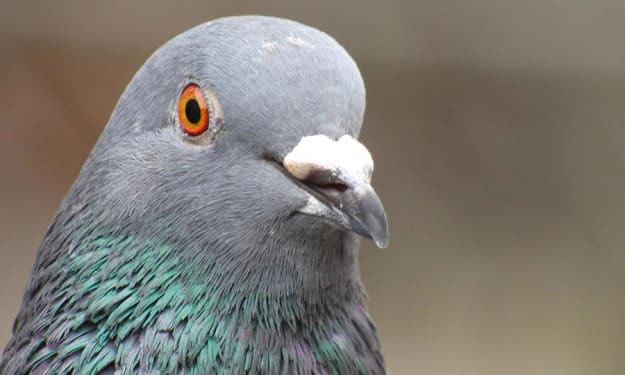
The Pigeon
What a captivating narration about pigeons and their fascinating history! Pigeons, often overlooked or misunderstood, have a rich evolutionary background that intrigued even Charles Darwin. Despite being ubiquitous in urban areas, they have some incredible characteristics that make them stand out.
By frederick kwadwo sosu idams3 years ago in Earth
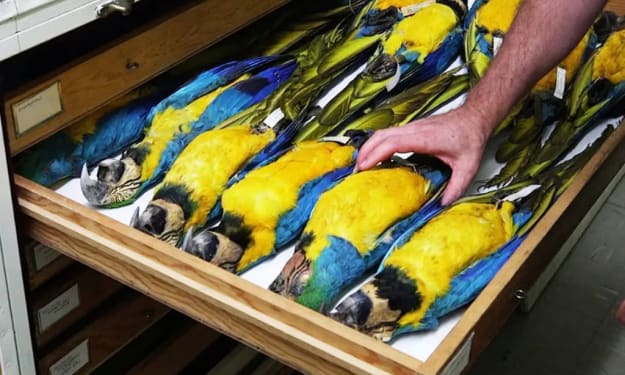
Why over 600,000 bird specimens are preserved at the smithsonian?
The Smithsonian Institution, a venerable bastion of knowledge and exploration, houses an extraordinary assortment of over 600,000 bird specimens, a testament to the dedication of countless scientists and researchers. This remarkable collection represents a diverse array of avian species from every corner of the globe. The question arises: why does the Smithsonian invest such immense efforts in curating and preserving these delicate creatures? To fully grasp the significance of this awe-inspiring collection, we must delve into the multifaceted purposes behind its creation and understand how it has profoundly impacted our understanding of avian biology, biodiversity, evolution, and conservation.
By Md Abu Bakar Siddique Fuad3 years ago in Earth
5 Reasons Why You Should Use Fungicide for Plants
Gardening is a rewarding and fulfilling hobby, but it also comes with its fair share of challenges. One of the most common issues gardeners face is the presence of fungal diseases that can wreak havoc on their beloved plants. Fungicides are essential tools in the fight against these harmful pathogens, offering several benefits to keep your plants healthy and thriving. In this blog, we explore five compelling reasons why using fungicide for plants is a smart and proactive approach to safeguarding your garden.
By Nidhi Sharma3 years ago in Earth
Wildlife Conservation and Beyond
In the face of mounting environmental concerns, sustainable travel has emerged as a powerful tool to satiate our desire for exploration while preserving and protecting the natural world. While wildlife tours have long been recognized for their contribution to wildlife conservation efforts, sustainable travel encompasses a broader range of practices that foster ecological balance. From sustainable accommodations to immersive cultural experiences, responsible consumption, and diverse conservation initiatives, this article explores how sustainable travel is shaping the travel industry for the better, promoting positive socio-cultural impacts, and safeguarding our planet's precious resources.
By Addison Hulse3 years ago in Earth
Do Animals Grieve over a Death
In 2018, an orca called Tahlequah gave birth. But her daughter died within an hour. Tahlequah, however, didn’t leave her body. And over the next 17 days and 1,600 kilometers, she kept it afloat atop her own, diving to retrieve the body whenever it slipped away, even after it began deteriorating. By altering her feeding and travel patterns, Tahlequah’s behavior was certainly unusual. But was she mourning— or just confused? Do non-human animals grieve? This question is tricky. In 1871, Charles Darwin argued that other animals experience a wide range of emotions, including grief. But, especially in the absence of a dependable bridge between our minds and theirs, many scientists have long been wary of projecting human emotions onto other animals. It’s also been thought that they might display irregular behaviors after a death for other adaptive reasons. And, for a while, the paradigm was that humans were exceptional: other animals were reacting and surviving, while we alone were thinking and feeling. This conception was increasingly challenged during the 20th century. In 1985, for example, a gorilla called Koko, who'd been trained to use some signs from American Sign Language, was told that her kitten companion had died. She made distress calls, and several weeks later, looking at a photo of another kitten signed “cry,” “sad,” and “frown.” Now there’s a growing pool of data and observations suggesting that some animals, including mammals and birds, might experience what we call grief. In 2003, Eleanor, an elephant matriarch, collapsed. Within minutes, another matriarch called Grace neared and helped Eleanor stand, only for her to fall again. Grace vocalized, stayed by Eleanor’s side, and tried pushing her back up. When Eleanor died, a female named Maui approached, positioned herself over Eleanor’s body, and rocked back and forth. Over the course of one week, elephants from five different families visited Eleanor’s body. On separate occasions, elephants have been observed carrying the remains of family members, including jawbones and tusks. In 2010, a giraffe was born with a deformed foot and had trouble walking. The calf lived just four weeks. On the day the calf died, 22 other females and four juveniles closely attended and occasionally nuzzled the body. On the third morning, the mother was alone and still not eating, which giraffes usually do constantly. Instead, she stayed by her dead calf, even after hyenas ate away at the body. Scientists have also begun quantitatively assessing other animals’ responses to death. In 2006, researchers analyzed baboon fecal samples for glucocorticoids, stress hormones that spike when humans are bereaved. They compared the samples from females who had lost a close relative in a predator attack with those who hadn’t. And they found that the glucocorticoid levels of baboons who had were significantly higher the month following the death. Those baboons then increased their grooming behavior and the number of their grooming partners, broadening and strengthening their social networks. Within two months, their glucocorticoid levels returned to the baseline. Researchers have also observed primate mothers engaging in apparently contradictory behaviors while carrying their dead children. Like switching between cannibalizing or dragging their child’s corpse and carefully carrying or grooming it, suggesting that the mothers were experiencing conflicting impulses towards the bodies. Our current understanding of the emotional landscapes of other animals is severely limited. To get a better grasp on mourning in the animal kingdom, we need a lot more research. But where does this leave us for now? Conversations around whether non-human animals experience emotions, like grief, can be emotional, in part because their outcomes have very real implications— like determining if orcas should be isolated and kept in captivity, or whether dairy cows should be separated from their newborn calves. Until we do have more data on the subject, should we treat non-human animals like they may have the capacity to grieve? Or assume they don’t? Which belief could cause more harm?
By Jesse Bridges3 years ago in Earth
Medicinal Garden Kit Review: Nurturing Nature's Healing Bounty at Your Fingertips
The Medicinal Garden Kit is a visionary product that enables individuals to cultivate their own healing oasis at home. In this comprehensive review, we will explore the key components of the kit, its ease of use, and the range of medicinal plants it offers. By empowering users to harness the power of nature's remedies, this kit promises to revolutionize the way we approach holistic health and well-being.
By edan ayenehchi3 years ago in Earth