Nature
Animals
The Hippopotamus: The African Colossus The hippopotamus, a semi-aquatic mammal native to Africa, may appear harmless at first glance. However, it is responsible for nearly 500 human fatalities each year. An adult male can measure up to 5 meters in length and weigh over 3 tons, making it one of the heaviest mammals on the planet. Despite its poor eyesight, the hippopotamus compensates with extremely aggressive behavior, particularly if someone encroaches on its territory. Its jaw can open to nearly 180 degrees and is equipped with enormous teeth, with incisors measuring up to 40 centimeters and canines reaching nearly 60 centimeters. In water, it can charge at a speed of 30 km/h, and on land, it can reach speeds of 48 km/h over short distances.
By Massinissa Amrane2 years ago in Earth
Northern Lights
What is a Northern Light? Have you ever had the opportunity to witness a Northern Light? This natural phenomenon is a breathtaking spectacle that illuminates the night sky with vivid colors. Although it is a rare event in regions like Paris, it is far more common in northern countries such as Norway.
By Massinissa Amrane2 years ago in Earth
Holistic Approaches to Pain Management in 2024
Pain management has evolved significantly over the years, with an increasing focus on holistic approaches that consider the whole person rather than just symptoms. In 2024, holistic methods continue to gain traction as people seek alternatives to traditional medication-centric treatments. This article explores various holistic approaches to pain management that are gaining popularity this year.
By Jim Carrey2 years ago in Earth
Natural Resources
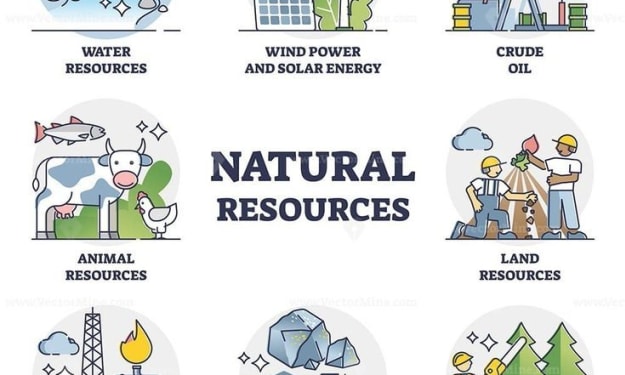
Natural resources are materials and substances that occur in nature and can be utilized for economic gain and human well-being. These resources include water, air, minerals, forests, wildlife, and fossil fuels. They are essential for the survival and development of human societies, providing the raw materials for food, shelter, energy, and industrial products. Understanding the types, uses, management, and challenges associated with natural resources is crucial for sustainable development. Types of Natural Resources Natural resources can be broadly categorized into renewable and non-renewable resources. 1. Renewable Resources: Renewable resources are those that can be replenished naturally over relatively short periods of time. They include: Water: Essential for all forms of life, water is used for drinking, agriculture, industry, and sanitation. It is replenished through the water cycle, involving evaporation, condensation, precipitation, and runoff. Forests: Forests provide timber, fuel, food, and medicinal plants. They play a critical role in regulating the climate, maintaining biodiversity, and protecting watersheds. Solar Energy: Derived from the Sun, solar energy is harnessed using photovoltaic cells and solar thermal systems for electricity generation and heating. Wind Energy: Wind energy is captured using wind turbines to produce electricity. It is a clean and renewable source of power. Biomass: Biomass includes plant and animal materials used for energy production, such as wood, crop residues, and manure. It is a renewable energy source when managed sustainably. Geothermal Energy: This energy is derived from the Earth’s internal heat and can be used for electricity generation and direct heating applications. 2. Non-Renewable Resources: Non-renewable resources are those that exist in finite quantities and cannot be replenished within a human timescale. They include: Fossil Fuels: Coal, oil, and natural gas are fossil fuels formed from the remains of ancient plants and animals. They are the primary sources of energy for transportation, electricity generation, and industrial processes. Minerals: Minerals such as iron, copper, gold, and aluminum are extracted from the Earth for use in construction, manufacturing, and technology. Once depleted, they cannot be replaced. Nuclear Fuels: Uranium and thorium are used in nuclear reactors to generate electricity. These resources are finite and require careful management due to their radioactive nature. Uses of Natural Resources Natural resources are utilized in various ways to support human activities and economic development. Key uses include: 1. Agriculture: Soil: Soil is a critical resource for agriculture, providing the medium for growing crops. Fertile soil supports food production and sustains livelihoods. Water: Irrigation is essential for agriculture, especially in arid and semi-arid regions. Water resources are used to cultivate crops and raise livestock. 2. Industry: Minerals: Minerals are fundamental to industrial activities. Iron and aluminum are used in construction and manufacturing, while rare earth elements are vital for electronics and renewable energy technologies. Energy: Fossil fuels, nuclear energy, and renewables power industries, driving economic growth and development. 3. Construction: Timber: Forests provide timber for construction, furniture, and paper products. Sustainable forestry practices ensure a continuous supply of wood. Sand and Gravel: These materials are used in construction for making concrete, roads, and buildings. 4. Transportation: Fossil Fuels: Oil is the primary energy source for transportation, fueling cars, trucks, ships, and airplanes. The transition to renewable energy sources is ongoing to reduce dependence on fossil fuels. 5. Energy Production: Fossil Fuels: Coal, oil, and natural gas are burned to generate electricity. They have been the dominant energy sources for decades but are being gradually replaced by cleaner alternatives. Renewables: Solar, wind, hydroelectric, and geothermal energy are increasingly used for electricity generation, reducing greenhouse gas emissions and environmental impacts. 6. Technology: Minerals: Rare earth elements, lithium, and other minerals are essential for the production of electronic devices, batteries, and renewable energy systems. The demand for these resources is growing with technological advancements. Management of Natural Resources Effective management of natural resources is crucial for ensuring their sustainability and minimizing environmental impacts. Key management practices include: 1. Conservation: Protected Areas: Establishing national parks, wildlife reserves, and marine protected areas helps conserve biodiversity and ecosystems. Sustainable Forestry: Practices such as selective logging, reforestation, and afforestation ensure that forests are managed sustainably. 2. Sustainable Agriculture: Soil Management: Techniques like crop rotation, cover cropping, and organic farming maintain soil fertility and prevent erosion. Water Management: Efficient irrigation systems, rainwater harvesting, and watershed management optimize water use in agriculture. 3. Renewable Energy Development: Investment: Investing in renewable energy infrastructure, research, and development reduces dependence on fossil fuels and promotes clean energy. Policy: Implementing policies and incentives for renewable energy adoption encourages the transition to sustainable energy sources. 4. Recycling and Reuse: Materials Recycling: Recycling metals, plastics, and paper reduces the demand for raw materials and minimizes waste. Circular Economy: Promoting a circular economy where products are designed for reuse, repair, and recycling enhances resource efficiency. 5. Pollution Control: Regulations: Enforcing environmental regulations and standards limits pollution from industrial activities, agriculture, and transportation. Technologies: Developing and adopting cleaner technologies and practices reduces emissions and environmental contamination. Challenges and Solutions The sustainable management of natural resources faces several challenges, including: 1. Overexploitation: Problem: Overexploitation of resources such as forests, fisheries, and minerals leads to depletion and environmental degradation. Solution: Implementing sustainable harvesting practices, quotas, and regulations ensures that resource use does not exceed regenerative capacities. 2. Climate Change: Problem: Climate change affects water availability, agriculture, and ecosystems, exacerbating resource scarcity. Solution: Mitigating climate change through reducing greenhouse gas emissions, transitioning to renewable energy, and enhancing carbon sequestration. 3. Pollution: Problem: Pollution from industrial activities, agriculture, and urbanization contaminates air, water, and soil, harming ecosystems and human health. Solution: Implementing pollution control measures, adopting cleaner technologies, and promoting sustainable practices. 4. Habitat Destruction: Problem: Deforestation, urban expansion, and infrastructure development lead to habitat loss and biodiversity decline. Solution: Protecting natural habitats, restoring degraded ecosystems, and promoting land-use planning that balances development and conservation. 5. Resource Inequity: Problem: Unequal access to resources leads to social and economic disparities, with marginalized communities often facing resource scarcity and environmental degradation. Solution: Promoting equitable resource distribution, community-based resource management, and policies that address social and environmental justice. 6. Governance: Problem: Weak governance and lack of enforcement of environmental laws lead to resource mismanagement and illegal exploitation. Solution: Strengthening governance frameworks, enhancing transparency and accountability, and involving local communities in resource management. Conclusion Natural resources are the foundation of human society, providing essential materials and services for survival and development. Effective management and conservation of these resources are crucial for ensuring their sustainability and minimizing environmental impacts. Addressing challenges such as overexploitation, climate change, pollution, habitat destruction, resource inequity, and governance requires coordinated efforts at local, national, and global levels. By adopting sustainable practices, investing in renewable energy, promoting conservation, and enhancing governance, we can ensure that natural resources continue to support human well-being and ecological balance for future generations.
By Goleti thirumal 2 years ago in Earth
How do I contact HP customer support?
HP provides electronic devices like laptops, pen drives, printers, etc. If any of the devices are not working properly, you can contact their customer support, who will help you with the problem. If you do not know how to contact HP customer support, then there is no issue as you can call on their customer service phone number, chat with the representative, use their Email address, or send a message on their social media.
By Smart Snake2 years ago in Earth
Windward Islands Bracing for Potential Hurricane Hit on Monday. Content Warning. AI-Generated.
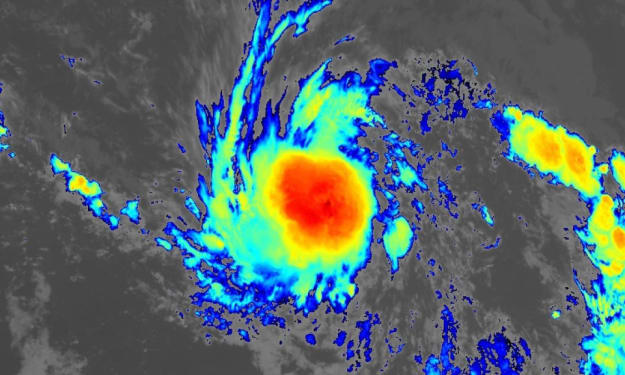
In conclusion, the Windward islets face a potentially significant rainfall event with the approach of Implicit Tropical Cyclone Two. By taking visionary way and remaining watchful, communities can more repel the storm’s impact and safeguard lives and property.e Windward islets are presently on high alert as they prepare for a implicit hurricane that could make landfall on Monday. The National Hurricane Center( NHC) has issued tropical storm warnings for several areas, motioning the possibility of severe rainfall conditions in the coming days. Current Situation A tropical surge, linked as Implicit Tropical Cyclone Two, is advancing towards the southern Windward islets. As of the rearmost updates, the system was located roughly 700 long hauls east- southeast of the islets and moving west at a speed of 15 to 20 mph. The NHC has projected a 70 chance of development within the coming 48 hours, adding to 90 over the coming five days. This surge is anticipated to bring heavy rains and winds of tropical storm force to the region late Tuesday into Wednesday. Areas Under trouble The tropical storm warning covers Trinidad and Tobago, Grenada, and their dependences . The storm's impact will probably include heavy downfall and strong winds, with the eventuality to beget significant dislocation. residers in these areas, as well as along the northern seacoast of Venezuela and the ABC islets, have been advised to cover the storm's progress nearly. Preparedness Measures Given the impending trouble, original authorities and residers are taking necessary preventives to alleviate the impact of the storm. These measures include Securing Property icing that homes and businesses are fortified against strong winds by securing doors, windows, and any loose objects that could come shells. Grazing inventories Accumulating essential inventories similar as food, water, specifics, and exigency accoutrements to sustain through implicit outages and dislocations. Evacuation Plans Reviewing and, if necessary, streamlining evacuation plans to insure a nippy and orderly move to safer areas if needed. Meteorological Factors The development of Implicit Tropical Cyclone Two is being nearly covered by meteorologists. crucial factors impacting the storm's progression include ocean face Temperatures Warm ocean face temperatures of around 82 °F are conducive to the storm's intensification. Wind Shear Light wind she
By Shuvra Dar2 years ago in Earth
The Dance of Earth
The Earth, our celestial home, is a marvel of motion and precision in the vast expanse of the universe. Its movements—both rotational and orbital—are fundamental to the rhythms of life, the passage of time, and the evolution of our planet's climate. In this exploration, we delve into the fascinating mechanisms behind why the Earth moves faster at certain times and in specific contexts.
By Jophiel williamson2 years ago in Earth
Today's World
The world is accelerating, and the paradigm has shifted. What once was science fiction is quickly becoming our present reality. As we face the tectonic shifts in our world, we must ask: How can society thrive amidst constant economic disruption? How do we keep pace with the rapid flow of information? There are cities ahead of the curve, creating tools for tomorrow. We aim to innovate with real-world impact. Imagine a self-sustained Singapore in food production, envisioning the city 40 years ahead. This could be a model for the future.
By Omokunmi Jemilat Yetunde 2 years ago in Earth