Nature
Golden Feather Enchantment
In the realm of workmanship and plan, certain components summon a feeling of secret, excellence, and marvel — components that have long caught the human creative mind. The theme of a quill, especially one that is embellished with gold and energetic tones, holds profound imagery across different societies and imaginative practices. When joined with unpredictable subtleties and a dim dream scenery, it can rise above simple embellishment and become a masterpiece that recounts a strong story. Brilliant Plume Charm is an illustration of such a creation, mixing tastefulness, nature, and dreams into a solitary dazzling visual.
By nadia khanom2 years ago in Earth
Lake Vostok’s Hidden Secrets: What Lies Beneath Antarctica?
Beneath the vast, icy expanse of Antarctica, lies a secret world: Lake Vostok. A subglacial lake, hidden for millions of years, it has captivated the imaginations of scientists and explorers alike. Its isolation and extreme conditions have made it a unique laboratory for studying the limits of life on Earth and potentially beyond.
By zafer qubeer2 years ago in Earth
How Green Energy Is Transforming Cities
As the world becomes increasingly urbanized, with nearly 70% of the global population projected to live in cities by 2050, the demand for sustainable urban living has never been greater. At the forefront of this transformation is green energy—an essential tool in the fight against climate change and the pursuit of cleaner, more efficient cities. From powering homes with renewable energy to driving electric vehicles on carbon-neutral streets, green energy is revolutionizing how we live, work, and move in urban environments.
By Jacktone Otieno2 years ago in Earth
Rediscover Nature: The Most Fascinating Places in the World You Must Visit
Our planet is brimming with awe-inspiring natural wonders that captivate the imagination. From spectacular landscapes and vibrant ecosystems to rare geological formations, every corner of the Earth tells a story waiting to be explored. In this article, we’ll journey through some of the most fascinating natural destinations in the world, each offering a once-in-a-lifetime experience.
By Marius Lungu2 years ago in Earth
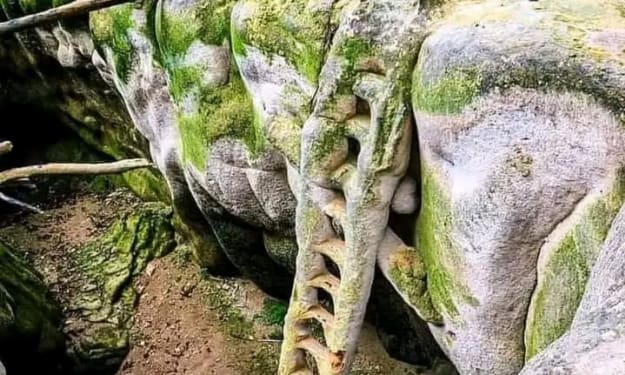
The Fossilized Ladder of the Dard River: When Nature Turns the Ordinary Into Stone
In the serene Dard River region of France, nature has been at work on an extraordinary transformation over the past century. A simple, submerged ladder has undergone a remarkable process of accelerated fossilization, its wooden frame now encased in a thick layer of calcite. This natural phenomenon has turned the everyday object into a striking stone artifact, a testament to the power of time, water, and minerals. This fascinating story of the Dard River’s ladder not only highlights the marvels of geological processes but also invites us to reflect on how nature can transform the mundane into the extraordinary. The Dard River: A Mineral-Rich Wonder The Dard River is known for its mineral-rich waters, which are highly saturated with calcium carbonate. This abundance of minerals makes it a prime location for calcite deposits to form, often resulting in breathtaking natural formations like stalactites and travertine terraces. However, it’s not just rocks and caves that are transformed by the river’s mineral wealth—objects submerged in its waters are also subject to this unique geological process. The ladder in question, likely forgotten or abandoned in the river decades ago, became an accidental participant in this natural wonder. Over time, the river’s mineral-rich waters interacted with the ladder’s surface, depositing layers of calcium carbonate. Slowly but surely, the wooden structure began its transformation into a fossil-like artifact encased in stone. The Science of Rapid Fossilization Fossilization is often thought of as a process that takes millions of years, but under the right conditions, it can occur much more rapidly. The ladder’s transformation in the Dard River is a prime example of this phenomenon. When water rich in calcium carbonate flows over an object, it leaves behind deposits of calcite. Over time, these deposits build up, forming a protective layer around the object. In the case of the ladder, this process has essentially "petrified" its wooden frame, replacing organic material with mineral deposits while preserving its shape and structure. The process is similar to what happens in the formation of petrified wood, where silica-rich waters replace the organic material in trees, turning them into stone over time. However, the rapid deposition of calcite in the Dard River has allowed this ladder to fossilize within a matter of decades—a blink of an eye in geological terms. A Striking Stone Artifact Today, the fossilized ladder is a striking sight. Its once-wooden frame is now encased in a thick layer of pale, stone-like calcite, giving it a ghostly appearance. The delicate details of the ladder’s original design—rungs, supports, and even surface textures—are preserved in stone, creating a fascinating blend of natural and man-made elements. This transformation has turned the ladder into more than just a relic; it’s now a geological treasure that captures the intersection of human history and natural processes. It serves as a reminder of how objects, when left to nature’s devices, can take on new forms and meanings. Lessons From the Fossilized Ladder The fossilized ladder of the Dard River offers several lessons about the interplay between nature and human activity. 1. Nature’s Transformative Power: The ladder’s transformation is a vivid example of how nature can reshape and preserve everyday objects. It underscores the dynamic processes at work in our environment, where minerals, water, and time collaborate to create something extraordinary. 2. Rapid Fossilization Is Real: While we often think of fossilization as a slow, ancient process, the Dard River’s ladder shows that under the right conditions, it can happen relatively quickly. This phenomenon has implications for understanding fossilization in other contexts, such as in paleontology and archaeology. 3. The Intersection of Human and Natural History: The ladder’s story is a blend of human craftsmanship and natural processes. Its presence in the river and subsequent transformation highlight the ways in which human objects can become part of the natural world over time, taking on new roles and meanings. A Geological Wonder Worth Preserving The fossilized ladder has become a point of interest for geologists, historians, and nature enthusiasts alike. Its unique transformation has made it a symbol of the Dard River’s mineral-rich environment and a testament to the region’s geological diversity. Efforts are now underway to document and preserve this natural artifact, ensuring that future generations can marvel at its story. Whether displayed in a museum or left in its natural setting, the ladder serves as a powerful reminder of nature’s ability to create beauty and wonder from the simplest of materials. Reflections on Time and Transformation The fossilized ladder of the Dard River is more than just a geological curiosity—it’s a metaphor for the passage of time and the transformative power of nature. It shows us that even the most ordinary objects, when subjected to the right conditions, can be elevated into something extraordinary. As we marvel at this unique artifact, we’re reminded of the delicate balance between human activity and the natural world. The ladder, once a functional tool, has now become a silent witness to the power of water, minerals, and time. In the Dard River’s fossilized ladder, we see a perfect union of history, science, and art—a stone monument to the quiet miracles of the natural world.
By Deji Akomolafe2 years ago in Earth
Honey Ants of Oaxaca: A Sweet Treasure from the Mixteca Desert
From the vibrant landscapes of Oaxaca, Mexico, comes a fascinating creature that is as much a part of nature as it is of local culture: the honey ant. Known locally as chindudis, these remarkable ants produce and store honey—not in combs like bees, but in their own bodies. This natural marvel has been cherished by Oaxacan communities for generations, offering a unique delicacy that is both sweet and sustainable. What Are Honey Ants? Honey ants, belonging to desert regions, are a unique variety of ants that store honey in their bodies. Found primarily in the Mixteca region of Oaxaca, they have adapted to survive in arid conditions where resources are scarce. Instead of creating honeycombs, these ants use their abdomens as storage vessels for honey, which they produce by collecting floral nectar overnight. A specialized caste within the colony, known as repletes, develop swollen abdomens filled with the golden nectar. These repletes act as "living jars," hanging motionless in the colony’s underground nests, ready to regurgitate the honey when food is scarce. A Sweet Tradition in Oaxacan Culture Locally known as chindudis, tiocondudi, botijas, or vinitos, honey ants have been part of the cultural and culinary heritage of Oaxaca for centuries. In Mixtec, they are called tioko ntudi, meaning “honey ant,” and their names vary across villages, reflecting their deep-rooted significance in local traditions. These ants are most commonly found during the dry season, as their activity slows when the rains arrive. Harvesting them requires skill and care, as they live underground in networks of tunnels. Locals identify potential nests during the day, dig carefully, and gently extract the repletes without harming them. The Unique Flavor of Honey Ants The honey stored in these ants is unlike anything else. Its flavor is a reflection of the diverse flora of the Mixteca region, offering a complex profile with sweet and floral notes, often accompanied by earthy undertones. This variability makes each drop of honey a unique experience, as its taste depends on the types of nectar collected by the ants. Oaxacans often consume the honey directly from the ants’ abdomens, savoring its sweetness and marveling at its natural origin. Alternatively, it can be used as a topping for traditional foods like tortillas or incorporated into desserts, adding a touch of nature’s sweetness to local cuisine. Sustainability and Respect for Nature What sets the practice of harvesting honey ants apart is its sustainability. Local communities have developed methods to ensure the ants are not harmed during the process. Once the honey is extracted, the ants are released back into their nests, allowing them to replenish their honey stores overnight. This practice reflects a deep respect for nature and the creatures that share the land. By prioritizing the ants’ well-being, Oaxacans ensure that this tradition can continue for generations, preserving both the ants’ population and the cultural heritage they represent. Medicinal and Cultural Significance Beyond their culinary appeal, honey ants are also valued for their medicinal properties. Locals believe their honey can boost energy, aid digestion, and even treat minor ailments. This dual purpose as both food and remedy underscores their importance in the daily lives of Mixtec communities. Honey ants also hold a special place in cultural narratives, symbolizing resilience and the ability to thrive in challenging conditions. Their existence serves as a reminder of the harmony between humans and nature, a theme that resonates deeply in Oaxacan traditions. Discovering the Honey Ants of Oaxaca For travelers and food enthusiasts, the honey ants of Oaxaca offer a chance to experience something truly unique. Exploring the Mixteca region, visitors can learn about the traditional methods of harvesting and taste the honey for themselves. It’s an opportunity to connect with the land, its people, and its rich biodiversity. However, it’s essential to approach this tradition with respect and care. Overharvesting or disrupting the ants’ habitats can threaten their survival and the delicate balance of their ecosystem. Supporting local communities in sustainable practices is key to preserving this treasure. A Symbol of Nature’s Ingenuity The honey ants of Oaxaca are more than just a source of sweetness—they are a testament to the ingenuity of nature and the cultural wisdom of the region’s people. Their ability to produce and store honey in their bodies is a remarkable adaptation to their environment, while the sustainable harvesting practices of Oaxacan communities highlight a harmonious relationship with the natural world. In a world increasingly disconnected from nature, the chindudis serve as a reminder of the beauty and simplicity of living in tune with the earth. Whether enjoyed as a delicacy, appreciated for their medicinal value, or admired for their unique biology, these ants are a symbol of Oaxaca’s rich cultural and ecological heritage. Conclusion The honey ants of Oaxaca are a sweet secret worth celebrating. From their intricate natural adaptations to their role in Mixtec traditions, they embody the richness of the region’s biodiversity and culture. Harvested with care and consumed with gratitude, they represent the harmonious relationship between humans and the environment. If you ever find yourself in Oaxaca, take the opportunity to uncover this hidden treasure. A taste of honey from the chindudis is more than just a culinary experience—it’s a journey into the heart of Oaxaca’s traditions and the remarkable ingenuity of nature itself.
By Deji Akomolafe2 years ago in Earth
"Oregon Records First Human Instance of Bird Influenza: CDC Affirms Interesting Transmission"
The Case: What We Know Up to This Point A person in Oregon got the H5N1 type of avian flu, a subtype that has been liable for broad flare-ups among birds worldwide. The individual, who had close contact with tainted poultry, displayed gentle side effects, like weariness and respiratory inconvenience, before recuperating completely. Wellbeing specialists have detailed that the gamble of additional human-to-human transmission stays low for this situation, without any indications of the infection spreading past the underlying patient.
By Shahanaz Akther2 years ago in Earth
Building a boundary at 4,600 meters
We're passing through a stream right now in the Jeep. For millennia, people have defined boundaries on the Earth, separating the planet into countries, yet there are a few areas of the planet that no domain, country, or state has had the option to tame.
By Nora Ariana2 years ago in Earth
Realistic Autumn Nature Art
Practical Pre-winter Nature Craftsmanship: Catching the Substance of Fall The dynamic tints of harvest time are a lasting wellspring of motivation for specialists. As the passes on change from rich greens to red hot reds, brilliant yellows, and consumed oranges, the normal world changes into a material of striking tones and surfaces. Reasonable harvest-time nature workmanship tries to epitomize this magnificence in its many-sided detail, praising the season's transitory quality and bringing out feelings of warmth, sentimentality, and re-establishment. This type of craftsmanship interfaces watchers to the rhythms of nature, offering an immortal impression of fall's interesting sorcery.
By nadia khanom2 years ago in Earth
The Future of Sustainable Agriculture
As the global population approaches 10 billion by 2050, the demand for food is expected to rise by over 50%. Meeting this need while combating climate change, conserving resources, and maintaining biodiversity is one of humanity’s greatest challenges. Enter sustainable agriculture—a revolutionary approach to farming that seeks to feed the world without depleting the planet’s resources.
By Jacktone Otieno2 years ago in Earth