Nature
Europe’s Tsunami Risk: A Hidden Threat to Coastal Cities
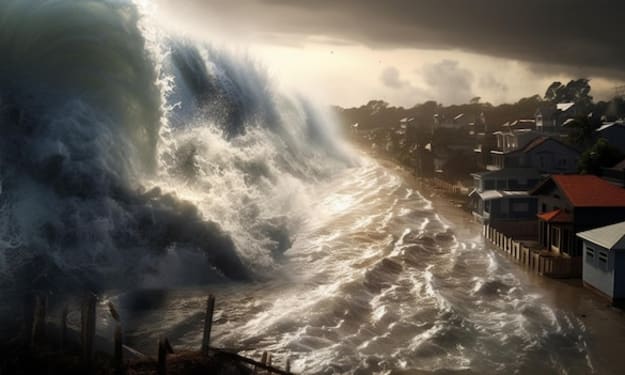
Imagine a tsunami striking Mediterranean cities like Cannes or Barcelona—cities that are far removed from the Pacific Ocean's notorious waves. It may seem unlikely, but the reality is that Europe’s coastlines are at risk. The Mediterranean and northeastern Atlantic are active tectonic zones, and though only 10% of the world’s tsunamis occur in these areas, history has shown that the risk is real. Since 1600 BCE, there have been over 290 recorded tsunamis in the Mediterranean, and despite the low frequency, these events have caused some devastating disasters in Europe’s past. Take the infamous 1755 tsunami, triggered by an 8.5-magnitude earthquake southwest of Cape St. Vincent, Portugal. Just 40 minutes after the quake, a massive wave struck Lisbon, completely flooding its harbor and advancing up the Tagus River. This initial wave was followed by two more devastating surges, sending people scrambling to higher ground. Though tsunamis like this are more common in the Pacific, the Atlantic and Mediterranean have been hit by these massive waves far more rarely, with major events expected every 3 to 5 centuries. However, this doesn’t mean a disaster couldn’t happen tomorrow. French and Spanish cities like Marseille and Chamonix are on the list of places most likely to be hit in the next 30 years, with a 100% chance of tsunami impact, though the waves may not be as catastrophic as those in the Pacific. While waves may be less than 3 feet high on average, it’s important to understand that tsunami danger is not just about height. Even waves just over a foot high can be deadly, as it’s the power of the water’s movement and the flooding that cause the most damage. A wave only 6 feet tall can lift cars, while smaller waves traveling up to 40 mph can create destructive water walls. For places with low-lying harbors, like Cannes, the impact could be even worse. Aside from the extreme damage a tsunami can cause, there are smaller, but still costly, consequences. The shifting of sandbars on the ocean floor can disrupt underwater pipelines and deep-sea cables, affecting internet and communication infrastructure, which could cost millions in repairs. This is why UNESCO and other organizations are raising awareness and developing plans to minimize the risks of future tsunamis in Europe. Europe isn’t alone in its tsunami concerns. The 2004 tsunami in Indonesia, caused by an earthquake off the coast of Sumatra, showed just how deadly these waves can be, with over 200,000 lives lost. Similarly, the 2011 Japan tsunami, triggered by an earthquake off the coast of Tōhoku, led to a devastating nuclear disaster and killed over 16,000 people. These events were wake-up calls, reminding us that tsunamis can be predicted and that early warnings save lives. Today, thanks to advances in technology, we have an effective tsunami warning system in place. The key is speed: seismic waves travel 100 times faster than tsunamis, so scientists have enough time to analyze data and issue alerts within minutes of an earthquake. The warning systems provide vital information about when and where the tsunami will strike, and they also offer advice on evacuation. In coastal communities, the next step is training locals on how to act quickly. UNESCO’s Tsunami Ready program helps communities prepare by installing evacuation signs, creating safety procedures, and ensuring that tourists are informed of tsunami risks. Spain, for example, has distributed tsunami warning signs along its entire coastline, indicating evacuation routes. One of the most at-risk areas is the Arousa fault under the Balearic Sea. A major earthquake here would leave coastal residents with just 21 minutes to evacuate before a tsunami hits. There are also 12 tsunami warning centers spread across Europe, which monitor ocean disturbances and help keep coastal residents informed. While earthquakes remain the most common cause of tsunamis, other phenomena like volcanic eruptions, landslides, and even meteorite impacts can also trigger waves. With climate change, the Mediterranean could also experience more ‘meteotsunamis,’ triggered by extreme weather events, which, while smaller, can still cause significant damage. In 2006, a meteotsunami struck the harbor of Mahón in Menorca, Spain, causing tens of millions of euros in damage. If you’re spending time in Europe’s coastal cities, it’s crucial to stay alert. If a tsunami warning is issued, remember: head to higher ground, avoid waiting for the perfect photo, and listen to local authorities. Tsunamis may seem rare, but knowing what to do can save your life. Stay safe and prepared—your safety is in your hands!
By Zaid Zareen2 years ago in Earth
The Surprising Link Between Stress and Gray Hair
Imagine this: Your hair, instead of needing a time machine, could reverse the aging process without any futuristic technology. What if I told you that researchers are discovering a surprising link between stress and those pesky gray hairs? But that’s not the most fascinating part—under certain conditions, your hair might actually be able to turn back to its original color. A groundbreaking study has uncovered how stress and relaxation can directly influence the color of your hair, revealing that a stressful event can cause hair to go gray, and a relaxing vacation might just reverse the process. It sounds almost too good to be true, but this study is opening doors to some exciting possibilities. For years, we’ve believed that the graying of hair is simply a natural part of aging. However, this research suggests that it’s not all just about age—stress could play a big role in how and when your hair turns gray. It might be more than just an unfortunate sign of growing older; it could be a physical reaction to the emotional or mental strain we experience. And just as stress can turn hair gray, a calm, stress-free period could potentially bring back your hair’s natural color. How’s that for a twist? But it doesn’t end there. This fascinating research also suggests that stress, along with other factors, may be more deeply connected to age-related changes in the body than we’ve realized. Could this be the first step toward reversing the signs of aging across the entire body? Could we one day undo the effects of aging in our skin or muscles, just like with hair? The possibilities seem endless, and while more research is needed, this opens the door to a new way of thinking about aging, one that might allow us to retain a youthful appearance and vitality longer than we ever imagined. In the meantime, many of us first notice gray hairs creeping in during our 30s, and this study suggests that hair might be more “switchable” than we thought. Even if your scalp is already full of gray strands, there’s still a chance that some of those hairs could return to their natural color if caught early enough. While graying hair may seem inevitable, this new insight raises the intriguing idea that with the right environmental factors—like reduced stress or certain relaxation techniques—your hair may not be as set in its gray state as we once believed. But how does this all work on a biological level? To understand this, it’s important to realize that hair doesn’t technically “turn” gray. Instead, hair loses its color altogether. Your hair starts its life with a certain color—brown, black, blonde, or even red—and maintains that color until aging reduces its melanin production. As we age, our hair follicles produce less melanin, the pigment responsible for hair color, which results in graying. But this study offers new hope: stress could be a trigger that accelerates the loss of melanin, while a period of relaxation or less stress might give those pigment-producing cells a chance to regenerate. While stress is clearly linked to graying hair, there's another question that might be even more intriguing: Why do humans have more hair on our heads than the rest of our bodies? Evolutionarily speaking, our ancestors might have started losing body hair to adapt to hotter climates, a need for less body heat retention, or possibly even spending more time in the water. However, the hair on our heads has remained, and researchers believe it serves an essential purpose. The hair on our heads helps protect us from the harsh effects of the sun and works to trap heat, keeping our brains warm and protected. But here’s where things get even more interesting—our hair might soon become a game-changer for the environment and technology. Scientists in Queensland, Australia, have found a way to turn leftover hair into a resource with immense potential. By burning hair and extracting carbon to create tiny nano dots, they’ve developed a way to enhance solar panels. These tiny dots make solar panels more efficient and stable, providing an affordable and sustainable alternative to traditional energy sources. The very hair we think of as waste could soon become an essential part of green technology, proving that our hair might have an unexpected role to play in fighting climate change. And if that wasn’t enough, research from Singapore has shown that hair could even help grow crops, particularly in urban areas where space is limited. Scientists have found that by extracting keratin from hair and combining it with cellulose, they can create a perfect material for hydroponic farming. This method uses no soil and could revolutionize the way we grow food in cities, making it easier to grow microgreens and vegetables like bok choy and arugula. So, next time you look at your hair, remember that it’s not just a sign of age. It’s a resource that could one day help power your home, feed your family, and even reverse the signs of aging. Your hair has more potential than you ever imagined!
By Zaid Zareen2 years ago in Earth
I Think I Saw a Pussycat
Caracals Caracals are graceful, slender cats. They have short thick coats and are known for their long black-tufted ears. Their fur can range from tawny gray to reddish-brown. These cats have distinctive narrow black stripes that run from their eyes to their noses and down the middle of their foreheads.
By Rasma Raisters2 years ago in Earth
European Animals Hungary and Iceland
Wildlife of Hungary Hungary is a small landlocked central European country. It shares its borders with Austria to the west, Ukraine and Romania to the east, Slovakia to the north, and Serbia, Croatia, and Slovenia to the south or southwest. Hungary is dominated by the great lowland expanses called the Little Hungarian Plain and the Great Hungarian Plain. The Danube River cuts through the center of the country from north to south.
By Rasma Raisters2 years ago in Earth
Advantages of Hiring a Tree Service with a Certified Arborist. AI-Generated.
Caring for trees demands specialized expertise and access to proper tools. Well-maintained, vibrant trees elevate property aesthetics, offer environmental advantages, and foster safer outdoor spaces. Conversely, improper care may lead to expensive damage, hazardous conditions, or the unnecessary loss of cherished trees. Choosing a tree service with a certified arborist guarantees meticulous care, ensuring lasting benefits and confidence in the quality of work.
By Piper Burch2 years ago in Earth
Australia: A Land of Red Deserts, Vibrant Wildlife, and Modern Progress
Australia: The Acreage Down Beneath - Different Properties, Wealth, and Resources Australia, generally referred to as "The Acreage Down Under," is a different and active abstemious that stands out for its isolation, assorted landscapes, and arresting biodiversity. Covering over 7.6 actor aboveboard kilometers, it is the aboriginal abstemious and a nation in its entirety. Despite its size, Australia boasts a abundance of accustomed resources, affluent cultural heritage, and a advancing economy.
By Say the truth 2 years ago in Earth
Capturing Nature’s Fury: William Nicholson Jennings and the First Photograph of Lightning
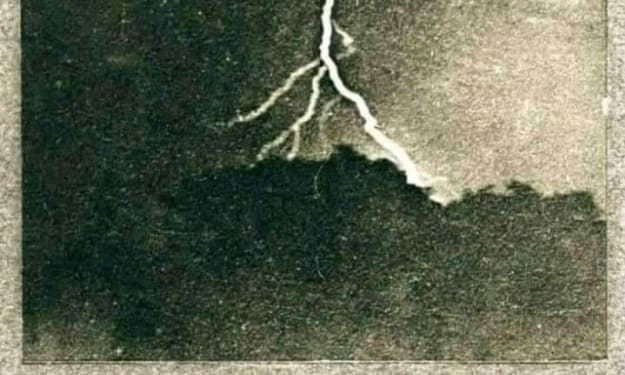
In 1882, an extraordinary moment in both photography and meteorology unfolded. American photographer William Nicholson Jennings achieved what was once thought impossible: he captured a lightning strike on camera. This groundbreaking image was more than just a testament to Jennings' technical skill and perseverance; it was a scientific revelation that transformed humanity’s understanding of lightning and paved the way for future advancements in both fields. --- The Challenge of Photographing Lightning Lightning is one of nature’s most dramatic displays, but its fleeting and unpredictable nature makes it a challenging subject for any photographer. In the late 19th century, photography was a meticulous and slow process. Cameras relied on glass plate negatives, and exposures required precise timing and patience—luxuries that the erratic nature of lightning rarely allowed. Undeterred by these challenges, William Nicholson Jennings embarked on a mission to photograph lightning, driven by a fascination with its raw power. Jennings was already an established photographer known for his skill with landscape photography, but capturing lightning presented an entirely new level of difficulty. Unlike today’s high-speed digital cameras, Jennings worked with equipment that required careful manual adjustments. He needed to anticipate when and where lightning would strike, set up his camera accordingly, and expose the glass plate at precisely the right moment. Success relied not only on technical expertise but also on a significant amount of luck. --- The Groundbreaking Photograph In 1882, after countless attempts, Jennings finally succeeded. He captured an image of a lightning strike that revealed its true complexity and form—a feat never before accomplished. Before Jennings’ photograph, lightning was often depicted in art and literature as a simple zigzag or forked shape. This artistic representation, while visually striking, failed to capture the intricate structure of real lightning. Jennings' photograph, however, showed a different story. It revealed a jagged, branching network of channels that illuminated the sky with stunning detail. This photograph was not merely a work of art; it was a scientific milestone. For the first time, researchers could study lightning’s form and behavior from a visual record, rather than relying on anecdotal descriptions or artistic interpretations. --- The Impact on Meteorology Jennings’ photograph was a revelation for meteorologists. It offered a new way to study the structure and dynamics of lightning, enabling scientists to better understand its electrical discharge and branching patterns. The image also provided insight into how lightning connects clouds to the ground, advancing theories about the phenomenon's physical properties. This groundbreaking work laid the foundation for further research into lightning. Over time, scientists used high-speed photography and other technologies to build upon Jennings’ discovery, analyzing lightning’s speed, temperature, and effects on the environment. Jennings’ photograph marked the beginning of a new era in meteorology, where visual data became an essential tool for understanding natural phenomena. --- A Turning Point in Photography From a photographic perspective, Jennings’ work was equally transformative. His achievement highlighted the potential of photography as a tool for capturing fleeting moments and documenting the natural world in ways that the human eye could not. The challenges Jennings overcame inspired other photographers to push the boundaries of what was possible with the medium. His work demonstrated that photography could bridge the gap between art and science, serving as a means to explore and understand the unseen. Jennings’ lightning photograph was also a precursor to the field of high-speed photography, which would emerge in the 20th century. His ability to freeze a moment of immense power and speed hinted at the future possibilities of the medium, from studying wildlife to analyzing motion in industrial processes. --- Jennings’ Legacy William Nicholson Jennings’ name may not be as widely recognized today as other pioneers of photography, but his contributions are no less significant. His lightning photograph remains a symbol of innovation and curiosity, capturing the imagination of both scientists and artists alike. Jennings’ dedication to his craft also serves as a reminder of the power of persistence. Photographing lightning in the 19th century required not only technical skill but also an extraordinary level of patience and determination. Jennings’ success was a testament to his unwavering commitment to capturing the beauty and complexity of the natural world. --- Lightning Photography Today Modern photographers and meteorologists owe much to Jennings’ pioneering work. Advances in camera technology have made it easier to capture lightning in stunning detail, with high-speed cameras capable of recording thousands of frames per second. Drones and satellites now provide additional perspectives, offering new insights into lightning’s behavior and impact on the atmosphere. Despite these advancements, Jennings’ photograph remains a touchstone in the history of photography and science. It serves as a reminder of a time when capturing a single image of lightning was a monumental achievement, requiring equal parts innovation and determination. --- Conclusion William Nicholson Jennings’ 1882 photograph of a lightning strike is more than a historic image—it’s a story of perseverance, creativity, and scientific discovery. By capturing a moment that had eluded humanity for centuries, Jennings bridged the gap between art and science, offering a new way to understand one of nature’s most awe-inspiring phenomena. Nearly 150 years later, his work continues to inspire photographers, scientists, and anyone with a passion for exploring the natural world. Jennings’ lightning photograph is a testament to the power of curiosity and the enduring human desire to unravel the mysteries of nature.
By Deji Akomolafe2 years ago in Earth
Antarctica: The Frozen Continent Shaping Our Planet's Future
Antarctica: The Arctic Abstemious of Mysteries and All-around Significance Antarctica the southernmost continent, is a acreage of extremes. Covering 14 actor aboveboard kilometers, it is the coldest, driest, and windiest abode on Earth. Despite its acrid conditions, Antarctica plays a acute role in acclimation the planet's altitude and is a abundance accession of accurate discoveries. Geographical Properties Antarctica is about absolutely covered by ice, which contains about 70% of the world's freshwater. The abstemious is amidst by the Southern Ocean and appearance some of the accomplished elevations amid all continents due to its blubbery ice sheet. The Transantarctic Mountains bisect the abstemious into East and West Antarctica. Its different mural includes glaciers, ice shelves, and subglacial lakes like Lake Vostok, hidden below kilometers of ice. During summer, some areas acknowledge bouldered area and mossy patches, accouterment attenuate glimpses of life. Natural Abundance and Resources Although harsh, Antarctica holds cogent beginning accustomed resources. Its ice bedding are analytical to all-around baptize accumulator and altitude regulation. The surrounding Southern Ocean is affluent in abyssal biodiversity, including krill, which forms the abject of abounding amphibian aliment webs. The continent’s mineral wealth, including coal, adamant ore, and possibly oil and gas, charcoal abundantly adopted due to all-embracing agreements attention the region. Antarctica’s different geological formations accommodate clues to Earth's history and abeyant resources.
By Say the truth 2 years ago in Earth
South America: Nature’s Paradise and Treasure Trove
South America: A Abstemious of Vibrant Nature and Untapped Potential South America, the fourth-largest continent, is acclaimed for its amazing landscapes, affluent cultural heritage, and abounding accustomed resources. Spanning 17.84 actor aboveboard kilometers, it is home to assorted ecosystems, alignment from the Amazon Rainforest to the Andes Mountains. This commodity delves into South America’s bounded properties, wealth, and resources, highlighting its different contributions to the world.
By Say the truth 2 years ago in Earth
All-encompassing Wellness: A Way to Orchestrate Brain and Body.
Grasping Comprehensive Wellness Comprehensive wellness is a multi-layered way to deal with prosperity that goes past the actual parts of well-being. It perceives that psychological, close-to-home, and profound well-being are profoundly entwined with actual wellness. By tending to this multitude of features, comprehensive wellness engages people to accomplish a condition of complete well-being as opposed to zeroing in exclusively on style or actual capacities.
By Shahanaz Akther2 years ago in Earth
What is a Net Zero Energy Building? Exploring the Future of Sustainable Architecture
In an era where climate change and resource depletion are pressing issues, the architecture industry is stepping up with innovative solutions. One such solution is the concept of net zero energy buildings. These structures are not just designed to look good; they are engineered to minimize energy consumption and harness renewable energy. In this article, we’ll dive into what makes a building net zero, explore the benefits of this approach, and discuss how these sustainable designs are shaping the future of architecture.
By Auroma Architecture2 years ago in Earth