Nature
THINGS TO DO AFTER LOSING LOVE ONES
From personal experience keep in mind when grieving not to make any big life changing decisions. You're not in the right headspace and need time to process your loss. Making rash decisions when you feel lost and vulnerable could end up being something you regret. Your loved one is free from any suffering or pain and in a better place. I believe when it's your time you will be together again. I try to keep in mind that loved ones wouldn't want you to be sad and depressed. They would want you to move on and live your life to the fullest. They will always be there in your heart and in the memories you hold. Gives some comfort to think they are watching over, guiding and protecting you. Everyone grieves different and you go through so many stages. Go easy on yourself and don't let others tell you how you should feel. There is no timeline in getting over the loss of a loved one. You're emotions will be all over the place, take it day by day. Some people are more sensitive than others and that's okay. Having someone to talk to about your feelings is so important. Keeping everything bottled up is like a ticking time bomb and at some point you will explode. Try not close down and shut out the world even if it's the only thing you want to do. Lean on your family/close friends at this time, they're the ones that will get you through. Grief counselling is a great way to help you process your loss and maybe give you coping skills to get through life without your loved one. There's always going to be sad days or when the grief hits you out of nowhere. Learning new coping skills and the ability to change your mindset honestly helps. It does get easier even if it doesn't feel like it now. Time does help maybe not heal the pain completely but after a while days won't seem so hard. You will eventually have happy days and try not let yourself feel guilty for that.
By Vickotroy “VanOfo” Anderson2 years ago in Earth
Chulu East Peak: A Journey to the Top of the Annapurnas. AI-Generated.
Some mountains call to you—not just for the challenge but for the journey, the wild landscapes, and the feeling of standing above the world. Chulu East Peak (6,429m) is one of those mountains. Nestled in the Annapurna region, this climb is perfect for trekkers who want to go beyond hiking and step into the world of mountaineering. It’s tough, rewarding, and an adventure you’ll never forget.
By Oliver Backman2 years ago in Earth
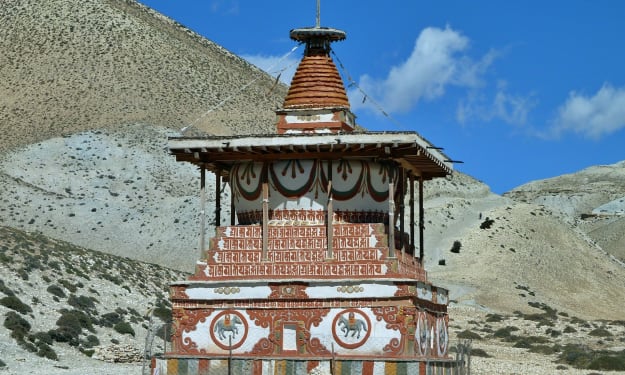
Upper Mustang Trek: Journey to the Forbidden Kingdom. AI-Generated.
The Upper Mustang Trek is a journey into one of Nepal’s most mystical and preserved regions, often called the "Forbidden Kingdom." This trek takes adventurers into the arid landscapes of Mustang, where Tibetan culture and centuries-old traditions thrive. Sheltered behind the Annapurna and Dhaulagiri ranges, the region remains untouched by modernization, offering a rare glimpse into a bygone era.
By Lucifer Smith2 years ago in Earth
Asteroid Hitting Earth: NASA’s Role in Planetary Defense and What You Need to Know
What Are Asteroids and Why Are They a Threat? Asteroids are rocky remnants left over from the early formation of the solar system about 4.6 billion years ago. Most of them orbit the Sun in the asteroid belt between Mars and Jupiter, but some have orbits that bring them closer to Earth. These are known as Near-Earth Objects (NEOs), and they are the primary focus of NASA’s planetary defense efforts.
By denizan Lawyer2 years ago in Earth
SHORELINE OVERFLOW CAUTION
Understanding the Risks and Preparing for the The most serious Shoreline overflow, also known as coastal flooding, occurs when the ocean's water level rises above the normal high tide mark, causing water to spill onto land. This natural phenomenon can have devastating effects on coastal communities, causing damage to properties, disrupting businesses, and threatening human life. In this article, we will explore the causes and effects of shoreline overflow, discuss the importance of shoreline overflow caution, and provide tips on how to prepare for and respond to this type of emergency.
By Promise Chukwuka Bucks2 years ago in Earth
"Costal Flood Advisory: Stay Safe And Informed During Rising Tides"
Coastal Flood Advisory: Everything You Need to Know Coastal flood advisories are critical warnings issued by meteorological authorities when tidal flooding, storm surges, or heavy rain threaten coastal areas. Understanding the nuances of a coastal flood advisory can be the difference between staying safe and experiencing preventable damage. Whether you live by the sea, visit frequently, or are simply curious, this guide will break down what coastal flood advisories mean and how to stay prepared.
By Aziz Pinjrawala2 years ago in Earth
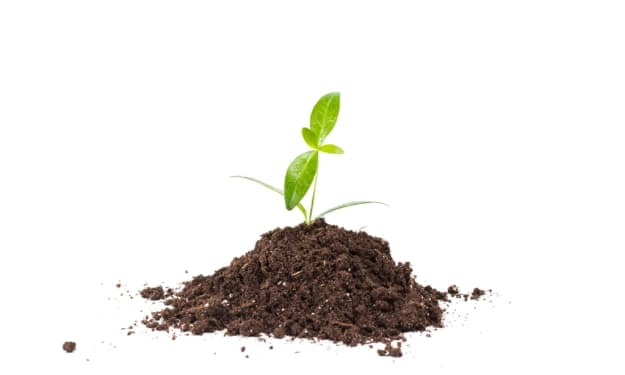
The Invisible Crisis: Climate Change and Soil Health
Introduction: The Role of Soil in Climate Resilience Soil is often overlooked, yet it is one of the planet’s most critical resources. It serves as the foundation for agriculture, supports biodiversity, and regulates essential cycles like water and nutrients. More importantly, soil acts as a major carbon sink, holding more carbon than the atmosphere and all vegetation combined. Healthy soil plays a vital role in mitigating climate change by sequestering carbon dioxide (CO2) and ensuring agricultural productivity for a growing population. However, climate change is pushing this natural system to its limits. Rising global temperatures, erratic rainfall patterns, and extreme weather events are degrading soil health at an alarming rate. The consequences extend far beyond soil itself—affecting food security, water availability, and efforts to combat climate change. Recognizing the intricate relationship between soil and the climate is essential for building a resilient future. Impact of Climate Change on Soil Health 1. Soil Erosion and Degradation Climate change amplifies soil erosion through heavier and more frequent rainfall events. Intense storms wash away the nutrient-rich topsoil that sustains crops, leaving behind barren land. According to a report by the Food and Agriculture Organization (FAO, 2019), an estimated 75 billion tonnes of soil are lost globally each year due to erosion. This degradation not only reduces agricultural productivity but also increases sedimentation in rivers, disrupting ecosystems downstream. In arid and semi-arid regions, rising temperatures exacerbate desertification. Prolonged droughts dry out soils, causing them to lose structure and become more prone to wind erosion. This is particularly evident in regions like Sub-Saharan Africa, where desertification threatens livelihoods dependent on agriculture. 2. Loss of Soil Organic Matter (SOM) Soil organic matter (SOM) is crucial for maintaining soil fertility, water retention, and microbial activity. However, climate change accelerates SOM loss by speeding up the decomposition of organic materials. Higher temperatures stimulate microbial activity, releasing stored carbon as CO2 into the atmosphere. This creates a feedback loop: soil releases more carbon, contributing to global warming, which further degrades soil health. Research published in Nature Climate Change (Crowther et al., 2016) estimates that soils could release up to 55 billion tonnes of carbon by 2050 due to global warming, undermining efforts to limit temperature rise to 1.5°C. 3. Impact on Soil Carbon Sequestration Healthy soils are essential for carbon sequestration—capturing and storing atmospheric carbon. However, climate change is disrupting this balance. In peatlands, which are among the most efficient natural carbon stores, rising temperatures and human activities like draining and agriculture are causing significant carbon release. Similarly, the thawing of permafrost in Arctic regions is releasing methane and CO2, further contributing to global warming.
By Shreyansh Singh2 years ago in Earth