Nature
"The Orinoco River in Venezuela"
The Orinoco crocodile is one of the largest crocodile species in the world. But due to human cruelty, its population has dropped to fewer than 100. Their natural habitat is the Orinoco River in Venezuela and its surrounding regions. While these crocodiles once roamed freely in the river, now they struggle to survive out of sight of humans.
By Md. Ashraful Azadabout a year ago in Earth
Chulu Far East Peak Climbing Guide Without a Guide
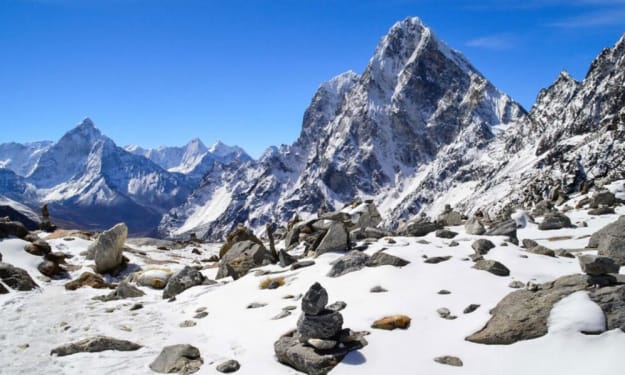
I have spent years on the trails and peaks of Nepal but one climb made me truly realize the value of a guide. Chulu Far East Peak located in the Annapurna region is a beautiful technical climb. I used the keyword right away here because it is not just about the views. It is about the route the altitude the changing weather and the small mistakes that can become big problems if you are alone.
By Bitisha Sherpaabout a year ago in Earth
Rocks show the moment when oxygen permanently altered the planet.
Two basic issues are addressed by several events in Earth's distant past: How did we get here? And where are we going? These pivotal moments demonstrate how life adjusts to shifting environmental conditions.
By Francis Damiabout a year ago in Earth
Everest High Pass Trek vs Everest Base Camp: Which One Is Right for You?
The Everest region in Nepal offers some of the most iconic trekking adventures in the world. Two of the most popular options are the classic Everest Base Camp Trek and the more challenging Everest High Pass Trek. While both treks offer breathtaking Himalayan views, Sherpa culture, and a rewarding trekking experience, they differ significantly in terms of difficulty, route, duration, and overall experience.
By Anya Gurungabout a year ago in Earth
The Storm List: How 2025's Hurricane Names Foretell a Turbulent Season
Alright, so on June 1st, 2025, the World Meteorological Organization (WMO) dropped their fresh batch of names for the Atlantic hurricane season. Yeah, it’s an annual thing—kind of like the Oscars, but for storms. And this year? Yikes. Meteorologists are basically waving big red flags, saying we’re in for a wild ride.
By Sohanur Rahmanabout a year ago in Earth
Life in Extreme Places
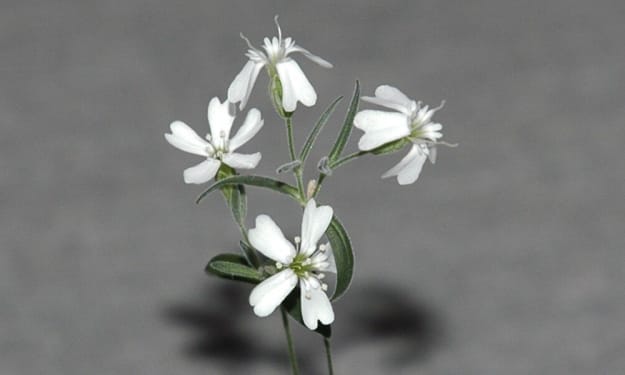
Life in Extreme Places: Microorganisms Living in Earth's Harshest Environments When we picture life on Earth, we often think of lush forests, deep blue oceans, or bustling cities. But beyond these familiar landscapes lies an astonishing truth: life has conquered even the most inhospitable corners of our planet. From boiling volcanic springs to the crushing depths of the ocean, microorganisms—tiny, often invisible forms of life—thrive where no other life dares to venture. Welcome to the world of extremophiles: Earth's ultimate survivors.
By Jeno Treshan about a year ago in Earth
"Amazon: A Treasure Trove of Biodiversity and a Sanctuary for Species"
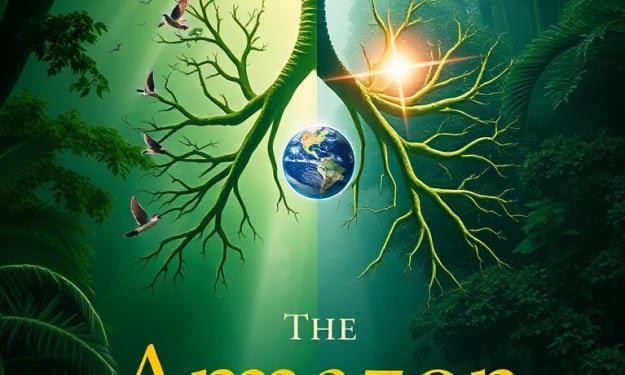
Introduction: The Lungs of the Earth and Life’s Greatest Sanctuary Spanning over 5.5 million square kilometers across nine South American countries, the Amazon Rainforest is an extraordinary ecosystem that has long been known as the “lungs of the Earth.” This vast forest absorbs around 2 billion tons of carbon dioxide annually and produces approximately 20% of the world’s oxygen, playing an irreplaceable role in global climate regulation. However, the Amazon is much more than a vital carbon sink; it is a biodiversity hotspot unmatched anywhere else on Earth.
By Shamshair Khan Hasan Zaiabout a year ago in Earth
"The Amazon Rainforest: Earth’s Lungs and Guardian of Climate Balance"
Introduction: The Breath of Our Planet Often referred to as “the lungs of the Earth,” the Amazon Rainforest plays a vital role in maintaining our planet’s climate balance. Covering more than 5.5 million square kilometers across nine South American countries, the Amazon is more than just a vast green canopy—it’s a living system that sustains biodiversity, regulates atmospheric carbon, and safeguards global climate stability.
By Shamshair Khan Hasan Zaiabout a year ago in Earth