Nature
Earth on the edge
Earth, our only home, is at a critical turning point. Climate change, driven largely by human activity, is no longer a distant threat — it is a present-day emergency. Rising global temperatures, extreme weather events, shrinking ice caps, and the collapse of ecosystems are warning signs that we can no longer afford to ignore. This article explores the causes, consequences, and potential solutions to global warming, and why the choices we make today will determine the fate of future generations. --- The Science of Global Warming Global warming refers to the long-term rise in Earth’s average temperature, primarily caused by the accumulation of greenhouse gases like carbon dioxide (CO₂), methane (CH₄), and nitrous oxide (N₂O) in the atmosphere. These gases trap heat from the sun, creating a “greenhouse effect” that warms the planet. While this process is natural and essential for life, human activities — especially the burning of fossil fuels, deforestation, and industrial pollution — have intensified it dangerously. Since the late 19th century, Earth's average surface temperature has risen by more than 1°C. Although this number may seem small, even slight increases in temperature can have catastrophic effects on weather patterns, ecosystems, and human life. --- Visible Impacts of a Warming World The consequences of global warming are already being felt around the globe: Melting Glaciers and Rising Seas: Polar ice caps and glaciers are melting at alarming rates, leading to rising sea levels that threaten coastal communities and small island nations. Extreme Weather: Droughts, heatwaves, hurricanes, floods, and wildfires are becoming more frequent and severe. These events not only destroy property and lives but also strain economies and health systems. Loss of Biodiversity: Countless species are facing extinction due to habitat loss, changing climates, and pollution. Coral reefs, for instance, are dying due to ocean warming and acidification. Human Health Risks: Poor air quality, the spread of infectious diseases, and food and water scarcity are some of the health-related challenges linked to climate change. --- The Human Role — and Responsibility We are both the cause and the solution to this crisis. Our energy choices, consumption habits, and land-use practices have a direct impact on the environment. However, we also have the power to change the course of this story. Shifting to renewable energy, investing in green infrastructure, protecting forests, reducing waste, and adopting sustainable lifestyles are critical steps toward a healthier planet. Every action, no matter how small, contributes to the larger goal. --- Hope for the Future Despite the gravity of the situation, there is hope. Innovations in clean energy, climate science, and environmental policy offer real solutions. International agreements like the Paris Accord aim to limit global warming to below 1.5°C — a goal that is still achievable if nations act quickly and cooperatively. Young people around the world are leading the charge, demanding climate justice and sustainable change. The image of a child standing between a thriving Earth and a dying one is more than symbolic — it is a reminder that the future truly is in our hands. --- What You Can Do Reduce your carbon footprint: Use energy-efficient appliances, cut down on car travel, and support renewable energy. Eat sustainably: Reduce meat consumption and avoid food waste. Plant trees: Forests absorb CO₂ and help regulate climate. Educate and advocate: Talk about climate change, support environmental organizations, and push leaders to take bold action. --- Conclusion The choice before us is clear: continue down the path of destruction or take immediate, collective action to heal our planet. The window of opportunity is narrowing, but it is not yet closed. The decisions we make today will echo for generations. Let us choose wisely — for the Earth, for ourselves, and for the children who will inherit the world we leave behind. > “The future is in our hands.”
By Hasbanullahabout a year ago in Earth
A Day Spent in Jalalabad
As long as I live, I will always remember that scene On the first day of Saratan month, I went to Jalalabad for a trip. The weather was nice as we passed through Mahipar near Kabul. But after crossing Mahipar, it started to get warmer. When we reached Surobi, the heat increased even more. Hot air entered the car, feeling like the heat of a tandoor. The car moved quickly as we continued our journey.
By Bilal Mohammadiabout a year ago in Earth
The Amazon Rainforest and Its Creatures. AI-Generated.
Introduction The Amazon Rainforest is the largest rainforest on Earth. It covers millions of square kilometers and stretches across several countries in South America. The Amazon is known as the "lungs of the Earth" because it produces a large amount of the oxygen we breathe. This rainforest is not only important for clean air, but also for water, climate, and life.
By Bilal Mohammadiabout a year ago in Earth
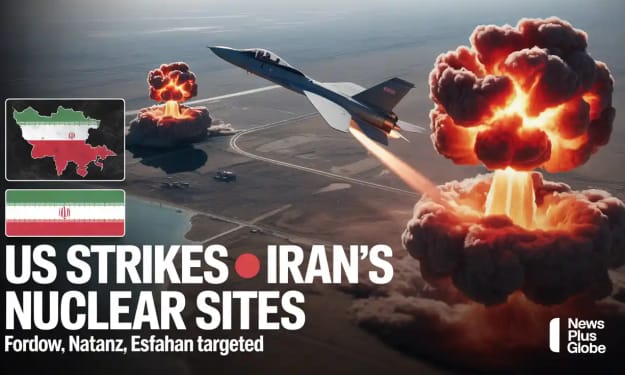
US Strikes Three Iranian Nuclear Sites
On June 22, 2025, the United States launched a series of precision strikes targeting three critical Iranian nuclear facilities: Fordow, Natanz, and Esfahan. This unprecedented military action marks a significant escalation in the ongoing tensions between the US, Iran, and Israel, with far-reaching implications for regional stability and global security.
By M Irfan Zafarabout a year ago in Earth
Leah Thomas: The Inspiring Voice of Intersectional Environmentalism
by Futoshi Tachino Meta Description: Leah Thomas is redefining environmental activism through intersectional environmentalism. Discover her journey, impact, and resources to join the movement.
By Futoshi Tachinoabout a year ago in Earth