Nature
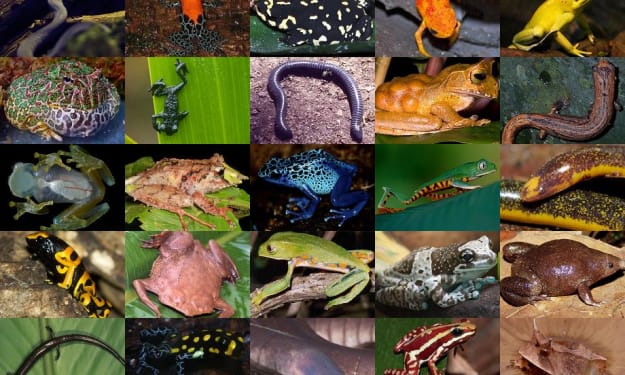
The Fascinating World of Amphibians: Adaptations, Importance, and Threats
Amphibians are a fascinating and diverse group of animals that are found all around the world. They are characterized by their ability to live both on land and in water, and have a variety of adaptations that allow them to thrive in these different environments. In this article, we will explore some interesting facts about amphibians and their importance to the ecosystem.
By Kamal Mourya4 years ago in Earth
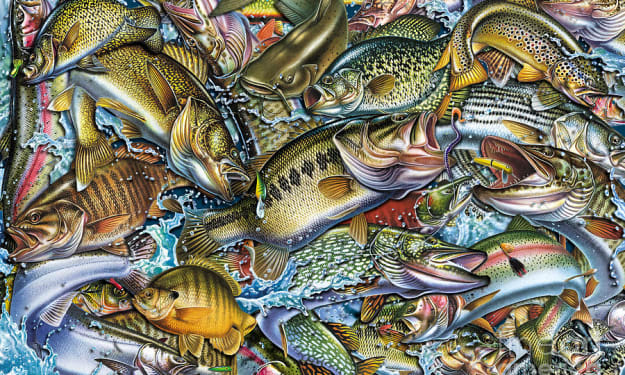
The Importance of Fish in Our Ecosystems and Food Systems
Fish are an incredibly diverse and important group of animals that are found in almost every part of the world. They are a crucial source of food for millions of people and play a vital role in the health of our planet's ecosystems. In this article, we will explore some interesting facts about fish and their importance to our planet.
By Kamal Mourya4 years ago in Earth
The Fascinating World of Reptiles: Characteristics, Importance, and Threats
Reptiles are a diverse and fascinating group of animals that have been around for over 300 million years. They are characterized by their scaly skin, cold-blooded nature, and ability to lay eggs on land. Reptiles are found in almost every part of the world, from deserts to rainforests, and come in a wide variety of shapes and sizes. In this article, we will explore the unique characteristics of reptiles, their role in the ecosystem, and some interesting facts about these ancient creatures.
By Kamal Mourya4 years ago in Earth
Exploring the Diversity and Importance of Birds in Ecosystems
Birds are a fascinating group of animals that have captured the attention of humans for thousands of years. They are found in almost every part of the world, from the icy waters of the Arctic to the warm, tropical rainforests of South America. In this article, we will explore the diversity of bird species, their unique adaptations, and their important role in our ecosystem.
By Kamal Mourya4 years ago in Earth
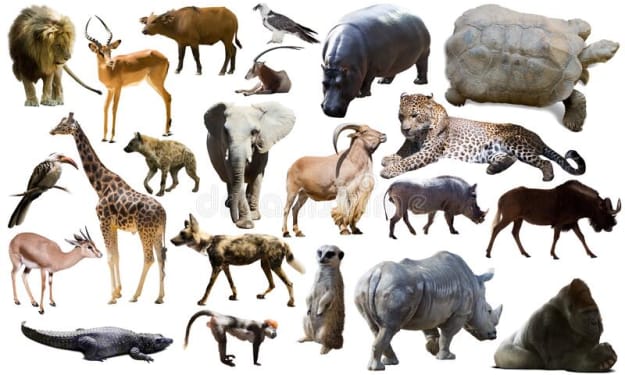
The Importance of Animals in Maintaining the Balance of Nature
Animals are an integral part of our ecosystem and play a significant role in maintaining the balance of nature. They come in all shapes and sizes and can be found in almost every part of the world. From the smallest insects to the largest mammals, animals have always fascinated humans with their diversity, complexity, and beauty. In this article, we will explore some interesting facts about animals and their importance to our planet.
By Kamal Mourya4 years ago in Earth
The Importance of Mammals in Maintaining Ecosystem Balance
Mammals are a diverse group of animals that are characterized by their warm-blooded nature, fur or hair, and the ability to produce milk to feed their young. They are found in almost every part of the world and come in a wide variety of shapes and sizes. From the tiniest shrews to the massive blue whales, mammals are an essential part of our planet's ecosystem.
By Kamal Mourya4 years ago in Earth
Carnatic hymns
Sublimeness and power of music The word music means to tune. Music is an instrument that harmonizes and harmonizes humans and other creatures, and even God. The word music comes from the Greek word mousa. An art favored and encouraged by the Greek goddess Arlanala, later called music.
By Hariprakash Thangarasu4 years ago in Earth
LOST CULTURE OF TAINO PEOPLE OF THE CARIBBEAN
One untold story of a lost culture and tradition is that of the Taino people of the Caribbean. The Taino were an indigenous people who lived in the Caribbean islands, including Cuba, Hispaniola, and Puerto Rico. They had a rich culture and were skilled in agriculture, fishing, and weaving.
By Mark Xavier4 years ago in Earth
Tripura
Tripura is a small state located in the northeastern part of India. It is surrounded by Bangladesh on three sides and shares its southern border with the state of Mizoram. The state is known for its rich cultural heritage, natural beauty, and vibrant tribal communities. History: Tripura has a long and fascinating history that dates back to the ancient times. According to legend, the state was ruled by a dynasty of kings who were said to be descended from the Sun. The Tripuri people, who are the indigenous inhabitants of the state, have their own distinct language, culture, and customs. During the medieval period, the state was ruled by various dynasties, including the Mughals, the Bhuris, and the Manikya dynasty. The Manikya kings ruled Tripura for over 500 years, and their rule is remembered for its prosperity, peace, and cultural development. In 1949, Tripura became a part of independent India, and in 1972, it was granted statehood. Today, Tripura is one of the smallest states in India, both in terms of size and population. Culture: Tripura has a rich and diverse cultural heritage that reflects the influence of its tribal communities as well as its Hindu and Muslim populations. The state is known for its colorful festivals, dance forms, and handicrafts. The Garia Puja is one of the most important festivals celebrated in Tripura. It is a tribal festival that is dedicated to the worship of the god Garia, who is believed to bring prosperity and good fortune. The festival is marked by colorful processions, music, and dance performances. Tripura is also known for its traditional dance forms, including the Garia dance, the Hojagiri dance, and the Lebang boomani dance. These dances are performed during various festivals and special occasions and are known for their lively and energetic movements. Handicrafts are another important aspect of Tripura's culture. The state is known for its bamboo and cane crafts, which include baskets, mats, and furniture. Tripura is also famous for its hand-woven textiles, which are made from cotton and silk and are known for their intricate designs and vibrant colors. Tourism: Tripura is a popular tourist destination, known for its natural beauty, historical sites, and cultural attractions. Some of the most popular tourist attractions in Tripura include: Ujjayanta Palace: This magnificent palace was built by the Manikya kings in the early 20th century and is now a museum that showcases the state's cultural heritage. Neermahal Palace: This beautiful palace was built in the middle of a lake and is known for its unique architecture and scenic surroundings. Sepahijala Wildlife Sanctuary: This sanctuary is home to a variety of animals and birds, including deer, monkeys, and hornbills. Unakoti: This archaeological site is known for its rock-cut sculptures, which date back to the 8th and 9th centuries. Jampui Hills: This scenic hill station is known for its panoramic views and is a popular destination for trekking and camping. In conclusion, Tripura is a small state with a rich cultural heritage and natural beauty. Despite its size, it offers a wide range of attractions for tourists, including historical sites, cultural festivals, and natural wonders. A visit to Tripura is a must for anyone interested in experiencing the unique culture and traditions of this fascinating state
By Harshal Tech4 years ago in Earth