Nature
King of the Jungle
Lions are undoubtedly one of the most fascinating animals on the planet. They are known for their regal and majestic appearance, as well as their ferociousness in the wild. In this article, we will explore the behavior and tendencies of lions, their evolution process throughout the years, and where they inhabit and live around the world.
By Aaron Volf4 years ago in Earth
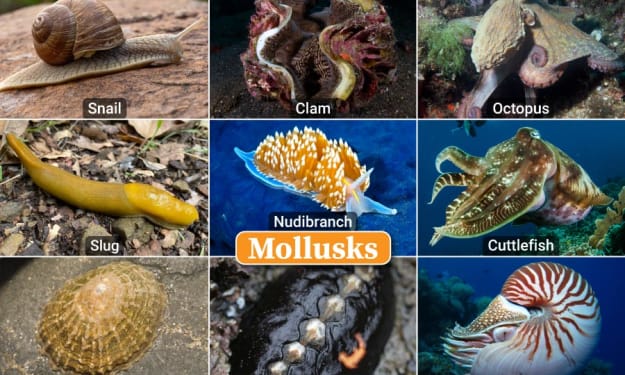
Mollusks: A Comprehensive Guide to the Diversity and Adaptations of these Fascinating Invertebrates
Mollusks are a diverse group of invertebrates with over 100,000 known species. They are found in almost every aquatic environment, from freshwater streams to deep-sea trenches, and on land, from deserts to rainforests. They range in size from microscopic to over 18 meters in length (as in the case of the giant squid). Mollusks are a significant component of many marine and freshwater ecosystems and are also commercially important, with many species being harvested for food, shells, and other products.
By Kamal Mourya4 years ago in Earth
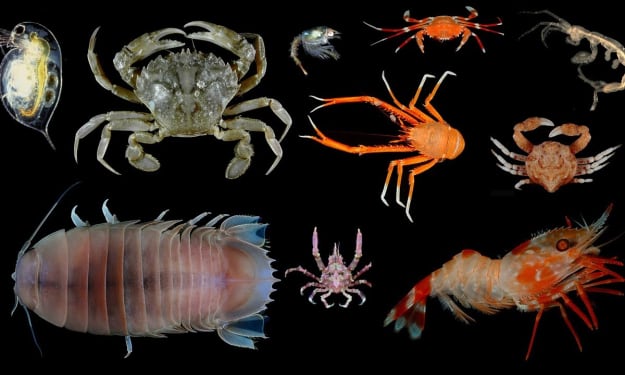
Crustaceans: Anatomy, Behavior, Habitat, and Commercial Importance
Crustaceans are a diverse group of arthropods that belong to the subphylum Crustacea. These animals are found in virtually all aquatic habitats, including freshwater, saltwater, and brackish water. They are characterized by their hard exoskeleton, which protects their soft bodies, and their jointed appendages, which are used for locomotion, feeding, and defense. Crustaceans play an important role in aquatic ecosystems as both predators and prey, and they are also important in the commercial fishing industry.
By Kamal Mourya4 years ago in Earth
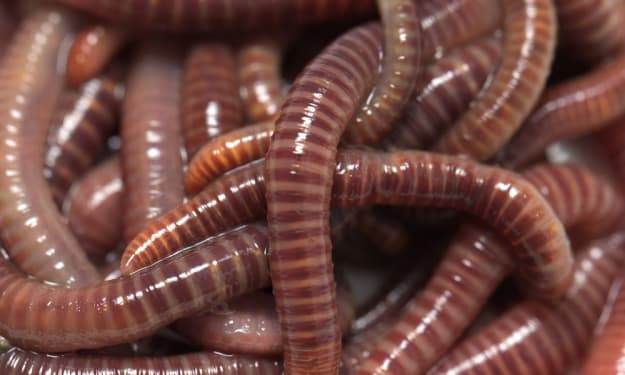
Exploring the World of Worms: Types, Characteristics, Habitats, and Ecological Significance
Worms are small, long, and thin animals that belong to the phylum Annelida. They are characterized by a cylindrical and elongated body that lacks limbs, antennae, and eyes. Worms are found in a variety of habitats, including soil, water, and even inside the bodies of other animals. They play an important role in the ecosystem by breaking down organic matter and improving soil quality. In this article, we will explore the different types of worms, their characteristics, habitats, and ecological significance.
By Kamal Mourya4 years ago in Earth
Insects: Anatomy, Behavior, and Ecology - Exploring the Fascinating World of the Most Diverse Group of Animals on Earth
Insects are a diverse and abundant group of animals that play an important role in the ecosystem. There are more than one million described species of insects, making them the most diverse group of animals on the planet. They can be found in nearly every habitat on earth, from the depths of the ocean to the highest mountains. Insects are incredibly important to the functioning of ecosystems, and without them, many plant and animal species would be threatened.
By Kamal Mourya4 years ago in Earth
THE BAYA WEAVER
The baya weaver (Ploceus philippinus) is a weaverbird found across the Indian Subcontinent and Southeast Asia. Flocks of these birds are found in grasslands, cultivated areas, scrub and secondary growth and they are best known for their hanging retort shaped nests woven from leaves. These nest colonies are usually found on thorny trees or palm fronds and the nests are often built near water or hanging over water where predators cannot reach easily. They are widespread and common within their range but are prone to local, seasonal movements mainly in response to rain and food availability.
By B.PRASANTH4 years ago in Earth
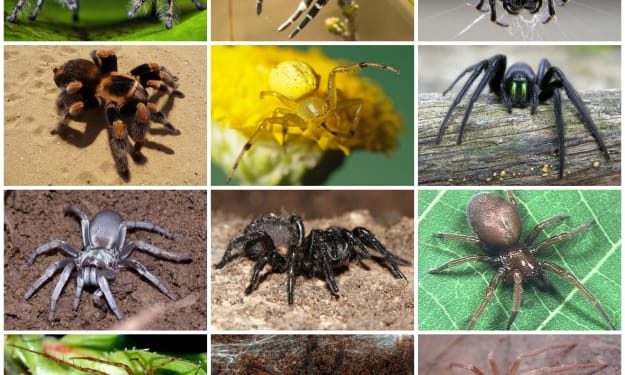
Exploring the World of Spiders: Anatomy, Behavior, Habitats, and Myths
Spiders are one of the most fascinating and mysterious creatures on earth. With their eight legs and intricate webs, they have been the subject of countless stories and myths throughout human history. From the ancient Greeks who associated them with the goddess Athena, to modern-day horror movies that depict them as deadly predators, spiders have captured the imagination of people around the world. In this article, we will explore the world of spiders, their anatomy, behavior, and habitats.
By Kamal Mourya4 years ago in Earth