Nature
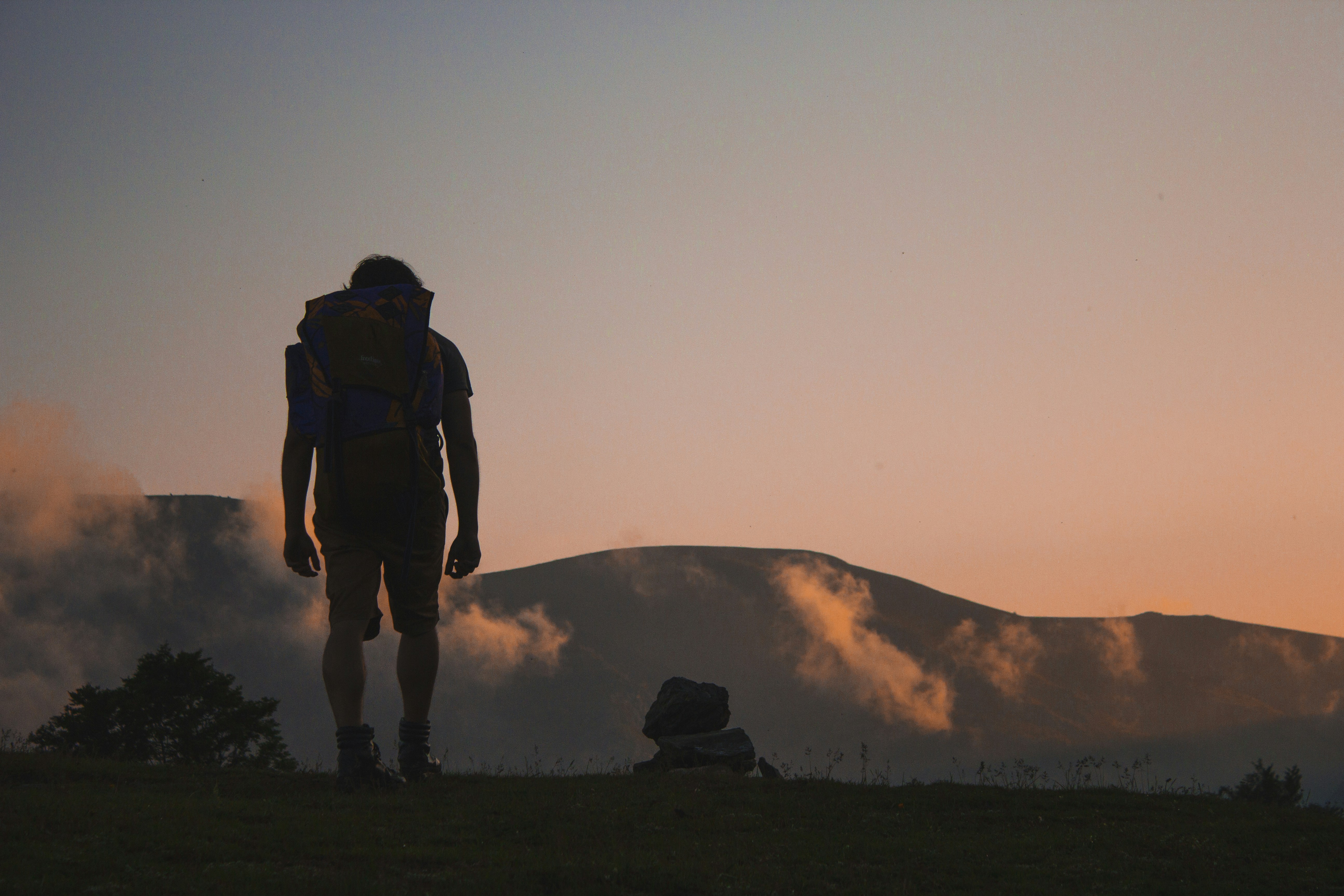
What gifts does nature give to people?
Nature provides us with many gifts such as fresh air, clean water, fertile soil, diverse flora and fauna, and beautiful landscapes. It gives us signals and warnings about the changes happening in the environment, and it seeks to convey to us the importance of protecting and preserving the natural world. Nature wants us to appreciate its beauty and to understand the interconnectedness of all living beings.
By MD SAKANDER3 years ago in Earth
MILKY WAY GALAXY
The Magical story of Milky Way Galaxy Interesting Facts The Milky Way Galaxy: is a spiral galaxy that is estimated to be between 10 and 13 billion years old. It is the galaxy that contains our Solar System, and it is one of the largest and most prominent galaxies in the Local Group. The Milky Way is approximately 100,000 light-years in diameter and contains an estimated 100 billion stars, along with countless planets, asteroids, and other celestial bodies.
By krishnan c3 years ago in Earth
The Beast Within Us: Understanding Our Animalistic Instincts
The concept of a "beast" has been prevalent in human society for centuries. We use the term to describe animals that are fierce, wild, and dangerous. However, the beast is not only an external entity that we encounter in nature; it also exists within us. We all have a beast within us, which represents our primal, animalistic instincts.
By junaid mughal3 years ago in Earth
Why Sri Lanka Should Be Your Next Travel Destination
Sri Lanka, also known as the Pearl of the Indian Ocean, is a small island nation located off the southern coast of India. Despite its size, Sri Lanka has a rich cultural heritage, stunning natural beauty, and an amazing cuisine that makes it one of the most exciting travel destinations in Asia. Whether you're a history buff, a foodie, or an adventure seeker, Sri Lanka has something to offer for everyone.
By Mohamed Jakkath3 years ago in Earth
Preventing Forest Fires
Forest fires are undoubtedly one of the most pressing environmental issues facing the world today. They can cause devastating damage to ecosystems, including the destruction of habitats for countless species, the loss of valuable natural resources, and even the release of harmful greenhouse gases into the atmosphere. Unfortunately, forest fires are often caused by human activity, whether it be carelessness, negligence, or even intentional arson. This is especially true in regions with hot, dry climates, such as the Mediterranean, where forest fires are a frequent occurrence.
By Omer Timur3 years ago in Earth
Story of Mankind.
.Humanity, or mankind, is a term that encompasses all humans living on Earth. It is a species that has evolved and thrived on this planet for thousands of years, developing cultures, societies, and technologies that have transformed the world in ways never imagined by our ancient ancestors. From the earliest human civilizations to the modern era, mankind has demonstrated a remarkable capacity for innovation, creativity, and adaptability, allowing us to survive and thrive in a constantly changing world. The history of mankind can be traced back to our earliest ancestors, who lived in Africa more than two millio years ago. These early hominids were not much different from other primates, but over time, they began to evolve unique characteristics that set them apart from their ape cousins. They developed larger brains, better tools, and more sophisticated social structures, allowing them to survive in harsh environments and compete with other species for resources. Around 70,000 years ago, a small group of humans migrated out of Africa and began to spread across the globe. These early humans faced many challenges, including harsh climates, dangerous predators, and hostile environments, but they managed to adapt and survive. Over time, they developed unique cultures, languages, and beliefs, creating diverse societies that still exist today. One of the most significant developments in human history was the rise of agriculture around 10,000 years ago. This allowed humans to settle in one place, build permanent dwellings, and produce surplus food, which led to the growth of cities, trade, and civilization. The ancient civilizations of Mesopotamia, Egypt, Greece, and Rome were all built on the foundations of agriculture, and their legacies can still be seen in the world today. Another major turning point in human history was the Industrial Revolution, which began in the 18th century and transformed the world in ways that would have been unimaginable just a few centuries earlier. The invention of machines, the development of factories, and the rise of mass production led to unprecedented economic growth, but also to new social and environmental challenges. The Industrial Revolution paved the way for modern society, but it also created many of the problems we face today, such as pollution, climate change, and inequality. In recent years, mankind has made significant progress in science, medicine, and technology. We have landed on the moon, developed vaccines for deadly diseases, and created computers that can process vast amounts of information. However, these advances have also created new challenges, such as the threat of cyber attacks, the dangers of artificial intelligence, and the ethical implications of genetic engineering. Despite these challenges, mankind has shown a remarkable capacity for resilience and adaptation. We have survived wars, pandemics, natural disasters, and many other challenges throughout our history, and we continue to face new ones every day. We have created art, music, literature, and culture that enrich our lives and connect us to each other across time and space. We have built communities, formed friendships, and found love that give our lives meaning and purpose. As we look to the future, mankind faces many challenges and opportunities. We must find ways to address the urgent global issues of climate change, inequality, and political instability, while also pursuing scientific discoveries and technological breakthroughs that can improve our lives and shape our world for the better. We must work together, across borders and boundaries, to create a more just, sustainable, and equitable world for ourselves and for future generations. In conclusion, mankind is a species with a rich and complex history, filled with triumphs and tragedies, innovations and setbacks, but always with a remarkable ability to adapt, evolve, and thrive. As we continue to face the challenges and opportunities of the future, we must never forget the lessons of our past, and always strive to build a better world for all humanity.
By Fakhar Nawaz3 years ago in Earth
The Lunar Influence: How the Moon Affects the Human Body
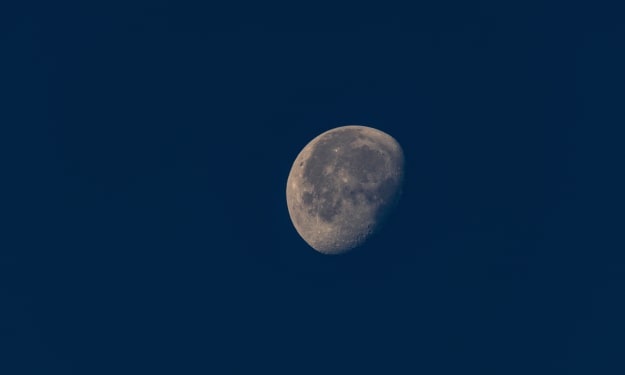
The moon, Earth's only natural satellite, has captivated human imagination for centuries. From myths and legends to scientific study, the moon's influence on our planet and its inhabitants has been the subject of much fascination. One area of research that has gained attention in recent years is the moon's effect on the human body. As the human body is made up of approximately 60% water, it is not surprising that the moon's gravitational pull has an impact on our bodily fluids. This impact has been linked to changes in the sleep-wake cycle, mood, behaviour, and even fertility. In this article, we will explore the various ways in which the moon affects the human body and what the latest scientific research has to say on the topic.
By Zac Distant3 years ago in Earth