Nature
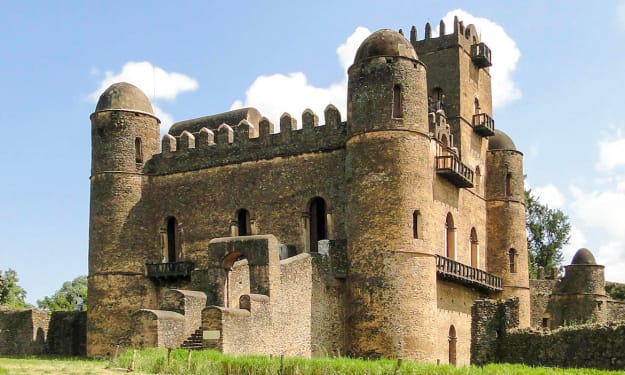
"Ethiopia: Beyond Expectations"
Ethiopia is a country located in the Horn of Africa, bordered by Eritrea to the north, Djibouti to the northeast, Somalia to the east, Kenya to the south, and South Sudan and Sudan to the west. With a population of over 117 million people, Ethiopia is the second-most populous country in Africa, after Nigeria. The capital city of Ethiopia is Addis Ababa, which is also the largest city in the country. Other major cities in Ethiopia include Dire Dawa, Bahir Dar, Gondar, and Mekelle. Ethiopia has a rich history and culture, dating back to ancient times. It is believed to be one of the oldest inhabited regions in the world, with evidence of human habitation dating back to 2.5 million years ago. Ethiopia is also the only African country to have never been colonized, and it has a long history of independence and resistance to foreign powers. Ethiopia is a diverse country with over 80 different ethnic groups, each with its own distinct culture and language. The official language of Ethiopia is Amharic, but there are many other languages spoken throughout the country. Ethiopia is known for its stunning natural beauty, including the Simien Mountains, the Blue Nile Falls, and the Danakil Depression. It is also home to a number of important historical and cultural sites, including the rock-hewn churches of Lalibela, the ancient city of Aksum, and the castles of Gondar. In terms of economy, Ethiopia is one of the fastest-growing economies in the world, with a focus on agriculture, manufacturing, and services. Despite this growth, Ethiopia remains one of the poorest countries in the world, with a high poverty rate and significant challenges in areas such as education, healthcare, and infrastructure.
By DINESH KUMAR.C3 years ago in Earth
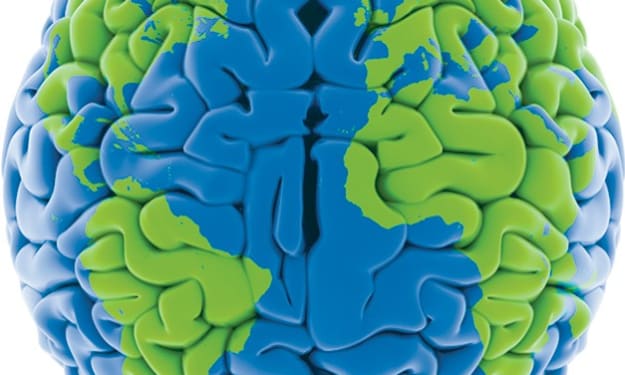
The impact of climate change on mental health
Climate change is no longer a distant threat but a present reality that affects our daily lives. The rising temperatures, extreme weather events, and environmental degradation associated with climate change are not only an existential threat to our planet but also a significant concern for our mental health and well-being. From climate anxiety to eco-despair, the psychological effects of climate change are diverse and complex, and they require urgent attention and action.
By irfan silawat3 years ago in Earth
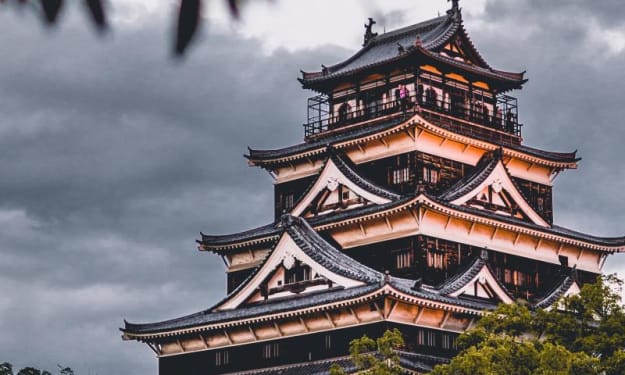
"Japan: Past and Present"
Japan is an island country located in East Asia, bordered by the Pacific Ocean, the Sea of Japan, and the East China Sea. It is a highly developed country and one of the world's largest economies, with a population of over 126 million people. The capital of Japan is Tokyo.
By DINESH KUMAR.C3 years ago in Earth
Pesticides.
Introduction Pesticides are chemical substances used to kill or control pests that damage crops, spread diseases, or cause other problems for humans or animals. Pesticides can be used in various forms, including sprays, powders, baits, and fumigants. While pesticides have proven effective in controlling pests and increasing crop yields, their use can also have significant environmental and health impacts. In this article, we will explore the benefits and risks associated with pesticides and their impact on human health and the environment.
By Love The Green3 years ago in Earth
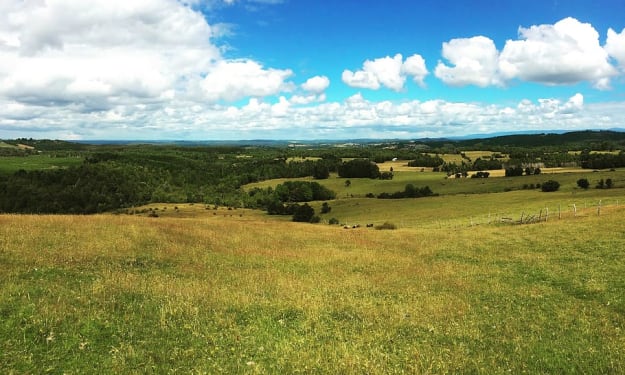
Why is nature important in our life?
Why is nature important in our life? Introduction Nature is the foundation of human life and well-being. From the air we breathe to the food we eat, the natural world provides us with a wide range of essential ecosystem services that are critical for our survival and prosperity. However, despite the critical importance of nature, human activities, such as pollution, deforestation, and climate change, have led to the degradation and loss of natural ecosystems worldwide.
By Love The Green3 years ago in Earth
Natural resources.
Natural resources Natural resources are materials or substances that occur naturally in the environment and can be used by humans for various purposes, such as energy production, construction, agriculture, and manufacturing. Natural resources can be classified into renewable and non-renewable resources, depending on their availability and replenishment rate.
By Love The Green3 years ago in Earth
Biodiversity
Biodiversity Biodiversity refers to the variety of life forms that exist on Earth, including all species of plants, animals, and microorganisms, as well as the ecosystems and ecological processes that sustain them. Biodiversity is essential for the functioning of ecosystems and the services they provide, such as air and water purification, nutrient cycling, climate regulation, and the production of food and medicine. It also has aesthetic, cultural, and spiritual values for human societies.
By Love The Green3 years ago in Earth