Nature
Tourism Of pakistan
Pakistan is a country rich in cultural heritage, natural beauty, and a diversity of landscapes that make it an ideal destination for tourists. Despite facing challenges due to security concerns and the COVID-19 pandemic, the tourism industry in Pakistan has been steadily growing in recent years, and there is much to explore in this fascinating country.
By noman dhudhi3 years ago in Earth
Top 10 Places to Visit in Gilgit Baltistan, Pakistan 2023
Gilgit Baltistan, Pakistan, often referred to as the “Paradise on Earth,” is a region of breathtaking beauty and rich cultural heritage nestled in the northern Himalayas. This stunning part of Pakistan is a hidden gem waiting to be explored, offering awe-inspiring landscapes, unique cultural experiences, and unforgettable adventures for tourists and adventure enthusiasts alike.
By Muhammad Sulaiman3 years ago in Earth
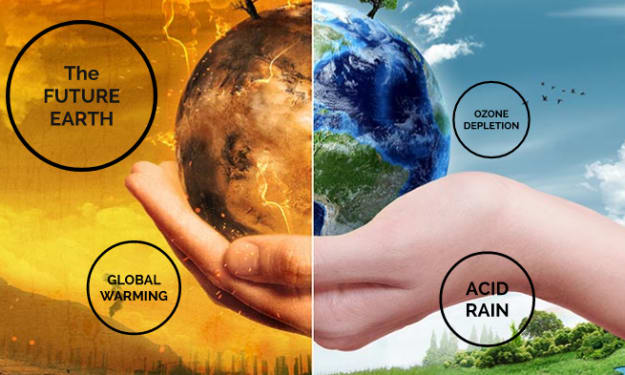
Future Earth
The Future of Earth: Challenges and Opportunities As our world continues to evolve and progress, the future of our planet is becoming an increasingly pressing concern. Climate change, resource depletion, and population growth are all major challenges facing our planet, but there are also opportunities for us to create a more sustainable and equitable future.
By Aziz Hunzai3 years ago in Earth
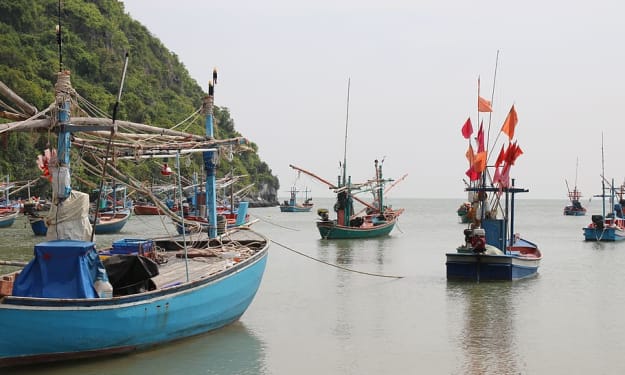
Fisheries
Fisheries are the activities involved in the harvesting, processing, marketing, and distribution of fish and other aquatic organisms for human consumption, as well as for other purposes such as recreational fishing, aquaculture, and the production of fish meal and fish oil.
By Love The Green3 years ago in Earth
Agriculture
Agriculture is the practice of cultivating crops and raising animals for food, fiber, and other products. It is one of the oldest and most important human activities, and has played a critical role in the development of human societies throughout history.
By Love The Green3 years ago in Earth
Biodiversity.
Biodiversity Biodiversity refers to the variety of life on Earth, including the number of species, the genetic diversity within species, and the variety of ecosystems and biomes. Biodiversity is essential for maintaining the balance of the planet's ecosystems and for ensuring the survival of all species, including humans. Unfortunately, biodiversity is under threat due to human activities such as habitat destruction, pollution, and climate change. In this article, we will explore the importance of biodiversity and the current state of biodiversity on Earth.
By Love The Green3 years ago in Earth
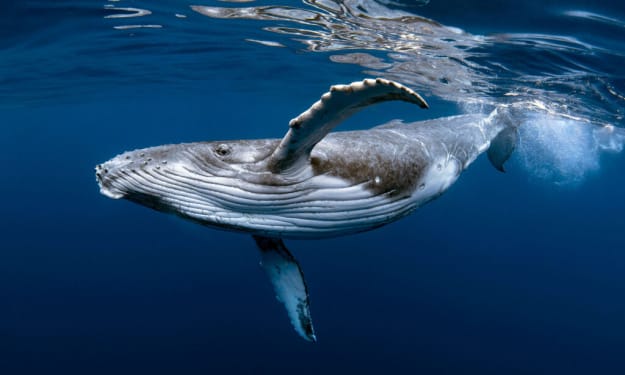
Of Size and Savagery: The World's Biggest and Most Dangerous Wildlife
Living Large: The Biggest Animals on the Planet The world is home to an astonishing diversity of animal life, and among them are some truly massive creatures. These behemoths can inspire awe and wonder with their size and power, and they often play important ecological roles in their respective habitats. Here are some of the biggest animals in the world:
By Wellinton Martinez3 years ago in Earth
Tyler Sadek on Common Water Contaminants and Their Effects on Health
Water is essential for human health, but it can also contain harmful contaminants that can severely affect our health. Contaminants can enter our water supply from various sources, including agricultural runoff, industrial pollution, and improper disposal of household chemicals. In this blog post, we’ll explore some of the most common water contaminants and their effects on health.
By Tyler Sadek3 years ago in Earth
Rivers
Rivers are one of the most important natural resources for human existence. They play a vital role in shaping our environment and providing numerous benefits to human societies. From providing water for agriculture and drinking to transportation and recreation, rivers are an essential part of human civilization. In this article, we will discuss the importance of rivers for human existence.
By Hasna Shahreen3 years ago in Earth
Rise of the Ants
Once upon a time, in a small town in the countryside, the ants began to grow in numbers and strength. They had always been there, of course, scurrying around and building their intricate colonies, but now they were different. They were bigger, stronger, and more intelligent than ever before.
By Boopathy VM3 years ago in Earth
PlantS
Plants are important for climate for several reasons. Firstly, they absorb carbon dioxide (CO2) from the atmosphere during photosynthesis, thus helping to reduce the amount of greenhouse gases that contribute to global warming. Secondly, plants release oxygen into the atmosphere, which is essential for humans and other animals to breathe. Additionally, plants help to regulate the water cycle by absorbing water through their roots and releasing it into the atmosphere through a process called transpiration, which helps to cool the air and maintain humidity levels. Finally, plants also play a crucial role in soil conservation, preventing soil erosion and promoting healthy soil ecosystems that help to store carbon and support biodiversity. Overall, plants are essential for maintaining a healthy climate and preventing the worst impacts of climate change.1. Aloe Vera - Aloe vera is a succulent plant with medicinal properties. The gel inside the leaves can be used to soothe sunburns, skin irritations, and wounds.
By Rimsha Ashraf 3 years ago in Earth