Nature
Somewhere in the Forest
"Somewhere in the forest." A glimpse of grey and dismal. Biotic fruiting bodies and biome seeping in the rain fall. It has been misty all day. Latency of the fall foliage has become compost and has no vibrancy by now. Its a bug's life not the pixie's. Perhaps this trade is latent by magic. Pixie, dusty from spores using the mushroom as an umbrella, brushes off. Bringing new life forth from the biotic fruit. It is that time of year again.
By Tristin Crawford3 years ago in Earth
Discover the Jewel of Asia: Pakistan's Spectacular Tourist Destinations
Nestled in the heart of South Asia, Pakistan is a land of incredible natural beauty, rich history, and vibrant culture. From majestic mountains to ancient archaeological sites, the country offers a plethora of breathtaking destinations for tourists to explore. In this article, we present the top 10 tourist places in Pakistan that are sure to captivate your senses and leave you with unforgettable memories.
By JAWWAD ALI SABRI3 years ago in Earth
Bears and Human Interaction.
Bears are majestic creatures that have been revered and feared by humans for thousands of years. They have been a part of folklore and mythology in many cultures around the world, and have been both hunted and worshipped by humans throughout history. Today, bears and humans continue to interact in various ways, often with both positive and negative consequences.
By Ayaanahamed3 years ago in Earth
Bear Intelligence.
Bears are often seen as large and lumbering animals that rely on brute strength and instinct to survive in the wild. However, recent research has shown that these animals possess a level of intelligence and cognitive ability that rivals that of many other animals.
By Ayaanahamed3 years ago in Earth
Discover the Enigmatic World of Sea Lions.
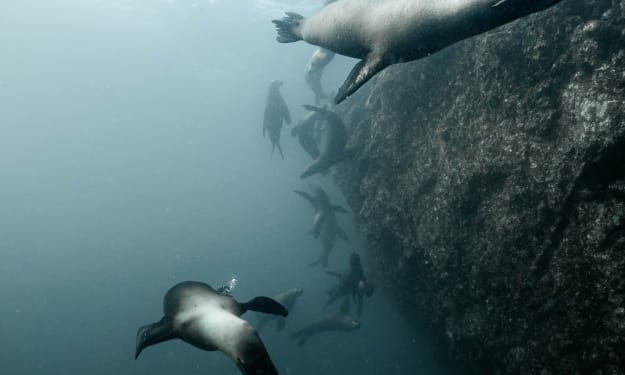
Discover the Enigmatic World of Sea Lions: Nature's Playful Acrobats In the vast expanse of the world's oceans, a fascinating creature roams the waters, captivating all who encounter it with its grace, agility, and undeniable charm. The sea lion, a member of the pinniped family, is a true acrobat of the seas, known for its remarkable ability to swim, dive, and perform incredible aerial maneuvers. Let us delve into the enigmatic world of these playful creatures and explore their captivating behaviors.
By Mr Royal Honey 3 years ago in Earth
Sea Lion Conservation.
Title: Sea Lion Conservation: Protecting our Coastal Guardians Sea lions are fascinating creatures that inhabit the world's oceans and coastal areas. These magnificent creatures are not only a vital part of our marine ecosystem, but they also play a crucial role in coastal communities' cultural and economic well-being. However, sea lion populations around the world have been declining due to a variety of factors, including climate change, overfishing, pollution, and human disturbance. This article explores the importance of sea lion conservation and what we can do to protect these coastal guardians. Sea lions are members of the pinniped family, which also includes seals and walruses. There are several different species of sea lions found throughout the world, including the California sea lion, Steller sea lion, Australian sea lion, and South American sea lion. These animals are known for their incredible agility, speed, and intelligence. They are also highly social and form tight-knit family groups, or colonies, on land. Introduction (100 words): Sea lions, often referred to as the guardians of our coastlines, play a crucial role in maintaining the balance of marine ecosystems. These magnificent creatures are not only a symbol of natural beauty but also vital indicators of the health of our oceans. However, sea lions face numerous threats that jeopardize their existence. This article aims to shed light on the importance of sea lion conservation and the actions we can take to protect these remarkable animals and preserve the delicate ecosystems they inhabit. The Role of Sea Lions (100 words): Sea lions are apex predators and maintain a vital position in the marine food chain. Their diet primarily consists of fish, squids, and shellfish, helping regulate the populations of these species and preventing overpopulation. As they feed on lower-level predators, sea lions indirectly promote the abundance and diversity of smaller fish and invertebrates. Moreover, their excrements contribute nutrients to marine ecosystems, supporting the growth of marine plants and maintaining the health of coastal habitats. Threats to Sea Lions (150 words): Despite their ecological significance, sea lions face numerous threats that put their populations at risk. One of the primary challenges is habitat degradation and loss caused by human activities such as coastal development, pollution, and climate change. These factors disrupt their breeding and foraging grounds, leading to reduced reproductive success and food scarcity. Furthermore, entanglement in fishing gear poses a severe threat, as sea lions can drown or suffer injuries that hinder their ability to hunt or evade predators. Overfishing and depletion of fish stocks also impact sea lions, forcing them to compete with commercial fisheries for food. Conservation Efforts (200 words): To safeguard sea lion populations and preserve their vital role in coastal ecosystems, conservation efforts are imperative. Here are some key initiatives that can contribute to their protection: 1. Habitat Preservation: Protecting critical habitats, such as breeding rookeries and haul-out sites, is essential. Establishing marine protected areas and implementing strict regulations to mitigate human activities in these areas can help reduce disturbance and provide safe spaces for sea lions. 2. Sustainable Fishing Practices: Implementing responsible fishing practices, including monitoring and managing fish stocks, reducing bycatch, and promoting selective fishing methods, will help ensure an adequate food supply for sea lions and minimize competition with commercial fisheries. 3. Education and Awareness: Increasing public awareness about the importance of sea lions and their conservation needs is crucial. Educational programs, campaigns, and outreach initiatives can help promote behavioral changes, such as reducing pollution and supporting sustainable seafood choices. 4. Rescue and Rehabilitation: Establishing rescue and rehabilitation centers to provide care for injured, orphaned, or entangled sea lions can significantly contribute to their survival. These facilities not only treat injured individuals but also raise awareness about the threats they face. Conclusion (150 words): Sea lions are extraordinary creatures that play a vital role in maintaining the health and balance of our coastal ecosystems. Protecting their populations requires collaborative efforts, including habitat preservation, sustainable fishing practices, public education, and rescue initiatives. By recognizing the importance of sea lions and taking proactive steps towards their conservation, we can ensure the continued existence of these coastal guardians for generations to come. Let us strive to create a future where sea lions thrive in healthy oceans, acting as indicators of the well-being of our marine environments and reminding us of our responsibility to protect and preserve the wonders of nature.
By Mr Royal Honey 3 years ago in Earth
Bear Attacks.
There's no denying that bears are fascinating creatures, but they can also be incredibly dangerous. Whether you're an avid hiker, camper, or simply someone who enjoys spending time in the great outdoors, it's important to understand the risks associated with bear encounters and how to stay safe.
By Ayaanahamed3 years ago in Earth
Mysterious Clouds Keep Appear in These Waters, No One Knows Why
The region between Florida and the Bahamas is a famous place for studying various marine life however there's a mysterious phenomenon that happens here each year, the reasons for which scientists have yet to figure out at times people can see these white clouds appearing on the surface of the water in technical terms this occurrence is called a Whiting event.
By Aisha Atif3 years ago in Earth
Exploring the Unique Vision of Animals: Seeing the World from Their Perspective
The animal kingdom is a diverse and fascinating realm, and one aspect that sets different species apart is their unique ways of perceiving the world. While humans rely heavily on our visual senses, it is intriguing to discover that animals have distinct visual capabilities that often surpass our own. In this article, we will delve into the extraordinary vision of various animals, shedding light on how their eyes perceive the world differently and uncovering some astonishing facts about their visual abilities.
By Kellen Muguchu3 years ago in Earth
Species Diversity of Sea Turtles.
Title: Species Diversity: Exploring the Different Types of Sea Turtles Introduction (50 words): Sea turtles are fascinating marine reptiles that have been around for millions of years. These remarkable creatures display a wide range of adaptations and characteristics, making them an essential component of marine ecosystems. In this article, we will delve into the diverse world of sea turtles and explore the unique features of different species. Sea turtles are fascinating creatures that have captured the attention and imagination of people all over the world. They are reptiles that live in the ocean, and there are several different types of sea turtles that can be found in different parts of the world. Each type of sea turtle is unique, with its own characteristics and behaviors. In this article, we will explore the different types of sea turtles and their characteristics. 1. Green Sea Turtles (150 words): Green sea turtles (Chelonia mydas) are among the most well-known species of sea turtles. They are named after the green color of their fat, which is due to their herbivorous diet. Green sea turtles can be found in tropical and subtropical waters around the world. These turtles have a streamlined shell and powerful flippers, enabling them to swim gracefully through the ocean. Despite being herbivores, adult green sea turtles have been known to occasionally consume jellyfish and other invertebrates. 2. Loggerhead Sea Turtles (150 words): Loggerhead sea turtles (Caretta caretta) are known for their large heads and strong jaws, which enable them to feed on hard-shelled prey like crabs and mollusks. They have a reddish-brown carapace and are found in both warm and temperate waters. Loggerheads undertake long migratory journeys and are known to nest on beaches in various parts of the world. These turtles face numerous threats, including habitat loss, pollution, and accidental capture in fishing gear. 3. Leatherback Sea Turtles (150 words): The leatherback sea turtle (Dermochelys coriacea) is the largest species of sea turtle and holds the record as the largest living reptile. Unlike other sea turtles, leatherbacks lack a hard shell and have a unique leathery carapace instead. This adaptation allows them to dive to incredible depths in search of their favorite prey, jellyfish. Leatherbacks have a global distribution and undertake extensive migrations across oceans. Unfortunately, they face numerous threats, including entanglement in fishing gear and ingestion of marine debris. 4. Hawksbill Sea Turtles (150 words): Hawksbill sea turtles (Eretmochelys imbricata) are known for their beautiful shells, which have been highly sought after for centuries. These turtles inhabit tropical coral reef ecosystems and feed primarily on sponges. Their slender bodies and pointed beaks allow them to reach into crevices in search of their prey. Hawksbills play a crucial role in maintaining the health of coral reefs by controlling sponge populations. Despite conservation efforts, they are critically endangered due to habitat degradation, poaching, and the illegal wildlife trade. Conclusion (100 words): The world of sea turtles is diverse and captivating, with each species showcasing unique adaptations and ecological roles. Green sea turtles rely on seagrass beds, while loggerheads use their powerful jaws to feed on hard-shelled prey. Leatherbacks have adapted for deep dives to hunt jellyfish, and hawksbills maintain the balance of coral reef ecosystems. Sadly, all sea turtle species face significant threats and are considered endangered or critically endangered. Efforts to protect their nesting beaches, reduce pollution, mitigate fishing gear entanglement, and combat illegal wildlife trade are essential to ensuring the survival of these magnificent creatures and the health of marine ecosystems they call home.Each type of sea turtle is unique, with its own characteristics and behaviors. Unfortunately, all sea turtle species are currently threatened or endangered due to a variety of factors, including habitat loss, poaching, and climate change. It is important that we take steps to protect these amazing creatures so that they can continue to thrive in our oceans. By supporting conservation efforts and taking steps to reduce our impact on the environment, we can help ensure that future generations can continue to enjoy the beauty and wonder of sea turtles.
By Mr Royal Honey 3 years ago in Earth
The Great African Rift: A Geological Marvel Shaping the Continent's Future
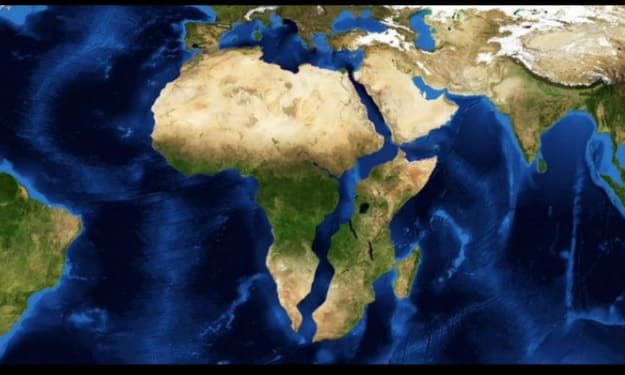
Africa, the second largest continent in the world, is currently undergoing a remarkable geological transformation that will impact all its countries. With its vast landmass, rich cultural heritage, diverse wildlife, and stunning landscapes, Africa has captivated the world for centuries. The ongoing splitting of the continent, known as the Great African Rift, spans an impressive 6,000 kilometers from the Red Sea in the North to Zimbabwe in the South. This geological phenomenon has given rise to mountains, oceans, and a series of fascinating landscapes. In this article, we explore the origins, impacts, and future implications of the Great African Rift.
By Kellen Muguchu3 years ago in Earth