Nature
The Hidden Power: Exploring the Important Functions of Fish Tank Substrate
Aquariums are enchanting and vibrant spaces that allow us to bring a slice of the underwater world into our homes. While aquatic plants and fish steal the spotlight, there is a crucial yet often overlooked component that plays a significant role in creating a thriving aquatic ecosystem—the aquarium substrate. In this article, we will explore the hidden power of aquarium substrate and its important functions in maintaining a healthy and balanced environment for your aquatic companions. Additionally, we will delve into the best substrate options specifically tailored for the best substrate for goldfish, providing insights for their unique needs.
By Carolyn Renner3 years ago in Earth
12 Most Puzzling Spots Researchers Still Can't Make Sense of
With regards to life on the planet and humanity's set of experiences, researchers and history specialists have a portion of the responses, yet not every one of them. They're perfect at their specific employment and can arrive at terrific resolutions in light of little hints and bits of proof. However, in some cases, they experience something that leaves them completely baffled. That is what's really going on with today's article. These are strange and wondrous places all around the world that are astonishing to see, however difficult to grasp, in any event, for researchers.
By Frank Schulz3 years ago in Earth
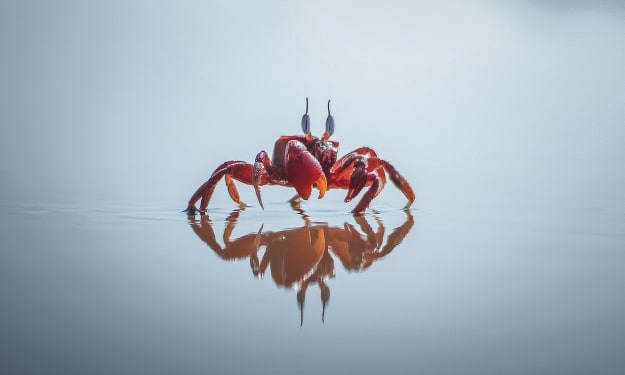
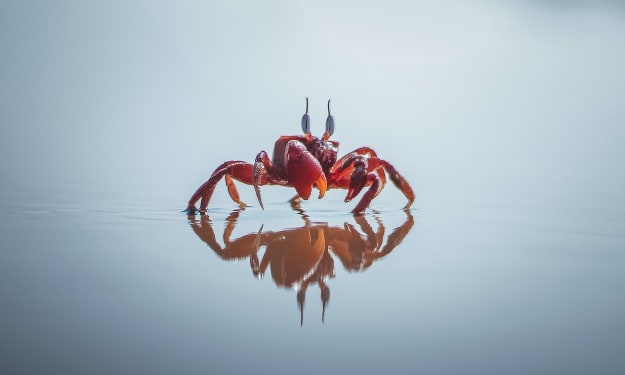
Types of Crabs.
Title: Types of Crabs: A Comprehensive Guide to Different Species Introduction: Crabs are fascinating creatures that inhabit various aquatic environments around the world. With their distinctive sideways scuttling and iconic pincers, crabs have captivated human curiosity for centuries. In this comprehensive guide, we will explore some of the most notable crab species, highlighting their unique characteristics and habitats.Crabs are fascinating creatures that inhabit various aquatic environments around the world. With their distinctive features, including their hard exoskeletons and sideways walking, crabs have captured the attention and curiosity of nature enthusiasts and seafood lovers alike. In this comprehensive guide, we will explore several noteworthy species of crabs, highlighting their unique characteristics, habitats, and adaptations. 1. Blue Crab (Callinectes sapidus): The blue crab is a popular species found along the Atlantic coast of North America. Known for its vibrant blue color, this crab boasts a hard shell and sharp claws. Blue crabs are renowned for their succulent meat and are commonly used in regional delicacies such as crab cakes and crab boils. 2. Dungeness Crab (Metacarcinus magister): Native to the West Coast of North America, the Dungeness crab is a prized delicacy. Its large size and sweet, flavorful meat make it highly sought after by seafood enthusiasts. Dungeness crabs are often harvested in the Pacific Northwest and are a staple in dishes like crab salad and cioppino. 3. King Crab (Paralithodes camtschaticus): King crabs are renowned for their massive size and formidable appearance. Native to the cold waters of the North Pacific, these crabs can have leg spans exceeding six feet. Known for their succulent and delicate meat, king crabs are often enjoyed steamed or grilled and are a delicacy in many seafood restaurants. 4. Snow Crab (Chionoecetes opilio): Snow crabs, also known as opilio crabs, inhabit the cold waters of the North Atlantic and North Pacific. They have a spiky shell and long, thin legs. Snow crabs are harvested for their meat, which is slightly sweet and tender. They are commonly served in dishes like crab legs and sushi rolls. 5. Red Rock Crab (Cancer productus): The red rock crab is native to the Pacific coast of North America. It features a reddish-brown shell with black-tipped pincers. Red rock crabs are known for their firm, flavorful meat, often used in recipes like crab bisque and crab-stuffed mushrooms. 6. Horseshoe Crab (Limulus polyphemus): Despite its name, the horseshoe crab is not a true crab but a unique marine arthropod. Found in coastal regions of the Atlantic Ocean, these ancient creatures have a hard exoskeleton and a distinctive horseshoe-shaped carapace. Horseshoe crabs play a vital role in medical research due to their copper-based blood, which contains a substance used to detect bacterial contamination. 7. Hermit Crab (Paguroidea): Hermit crabs are a diverse group of decapod crustaceans that occupy empty seashells for protection. They can be found in oceans worldwide, often near the shoreline. Hermit crabs have soft abdomens and use the discarded shells of other animals as portable homes. These unique crabs are popular pets due to their fascinating behavior. Conclusion: From the succulent meat of the blue crab to the massive size of king crabs, the world of crabs offers a diverse range of species. Each type possesses its own distinct characteristics and appeals to different palates. Whether you're enjoying a crab feast, exploring tide pools, or admiring their intricate exoskeletons, crabs continue to captivate and intrigue us with their remarkable diversity.
By Mr Royal Honey 3 years ago in Earth
The Anatomy of a Crab.
Crabs are fascinating creatures with a unique body structure that enables them to thrive in various marine environments. Understanding the anatomy of a crab is key to appreciating their remarkable adaptations. In this article, we will explore the essential components of a crab's body and how each part contributes to its overall functionality.
By Mr Royal Honey 3 years ago in Earth
Discover the Fascinating World of Crabs.
Discover the Fascinating World of Crabs: An In-Depth Exploration Crabs are intriguing creatures that inhabit various marine and terrestrial environments around the world. With their distinctive appearance and remarkable adaptations, they have captivated the curiosity of scientists and nature enthusiasts alike. In this in-depth exploration, we delve into the fascinating world of crabs, uncovering their unique characteristics, diverse species, and their vital ecological role.Crabs are incredible creatures that inhabit both land and sea, with over 7,000 species known to science. In this article, we delve into the captivating world of crabs, examining their diverse adaptations, intriguing behaviors, and important ecological roles. Crabs belong to the crustacean family and are closely related to lobsters, shrimp, and barnacles. They are renowned for their hard exoskeleton, which provides them with protection and support. The exoskeleton is periodically shed, allowing crabs to grow and regenerate their limbs. This process, called molting, is a remarkable feat that enables crabs to adapt to changing environments and escape predation. One of the most striking features of crabs is their specialized pincer claws. These claws come in various shapes and sizes, depending on the species and their specific needs. Some crabs have large, powerful claws for crushing shells and defending themselves, while others have slender, agile claws for capturing prey or delicate tasks such as grooming. The incredible diversity of crab claws highlights the adaptability and versatility of these fascinating creatures. Crabs exhibit a wide range of behaviors and inhabit diverse habitats. From the tiny hermit crabs that seek shelter in empty shells to the mighty coconut crabs that climb trees, crabs have conquered both land and sea. They can be found in oceans, rivers, lakes, and even on land, demonstrating their ability to adapt to various ecological niches. One of the most remarkable crab species is the fiddler crab. These small, colorful crabs are renowned for their oversized claw, which the males use to attract females and defend their territory. The males perform an elaborate waving display, resembling a fiddle player, hence their name. This intricate courtship ritual is a sight to behold and showcases the intricate social dynamics within the crab world. Another extraordinary crab is the peacock mantis shrimp. Despite its name, it is not a true shrimp but shares some characteristics with crabs. This remarkable creature possesses one of the most powerful striking abilities in the animal kingdom. Its modified forelimbs can deliver lightning-fast strikes with incredible force, capable of breaking through shells and aquarium glass. The peacock mantis shrimp's incredible strength and vibrant colors make it a prized inhabitant of marine aquariums. Crabs play a crucial role in maintaining the balance of marine ecosystems. As scavengers and opportunistic feeders, they help to clean up the environment by consuming dead organisms and debris. Additionally, some species of crabs, such as the mangrove crab, play a vital role in the dispersal of seeds, contributing to the growth and regeneration of coastal forests. However, like many other species, crabs face numerous challenges in today's rapidly changing world. Habitat destruction, pollution, and overfishing are threatening their populations. Conservation efforts are essential to protect these unique creatures and preserve their habitats for future generations to marvel at their wonder. In conclusion, the world of crabs is a captivating one, filled with remarkable adaptations, intricate behaviors, and diverse species. From their hard exoskeletons to their specialized claws, crabs have evolved extraordinary features that enable them to thrive in various environments. Their vital ecological roles make them integral components of marine and terrestrial ecosystems. By understanding and appreciating these fascinating creatures, we can work towards their conservation and ensure that the world of crabs continues to inspire awe and fascination for years to come.
By Mr Royal Honey 3 years ago in Earth
10 Surprising Facts about the Universe That Will Blow Your Mind.
"10 Surprising Facts About the Universe That Will Blow Your Mind" Welcome back, space enthusiasts! Today, we embark on a mind-bending journey through the vastness of the universe. Get ready to have your perspectives challenged and your imaginations ignited as we explore ten surprising facts about the cosmos that will undoubtedly blow your mind. Buckle up, because we're about to take off into the unknown!
By Stage Frame3 years ago in Earth
Venoms VS Poisons.
VENOM VS POISON. Venoms and poisons, substances that should make us check our shoes for spiders and look sideways at berrier we find in the forest. The animals and plants that have evolved these unique properties both terrifying and fascinate us no matter how fragile or harmless they may appear, a negative interaction with a venomous or poisonous creature can range widely from minor discomfort to death. The terms venomous and poisonous are often used interchangeably but they're two very different things.
By Syasya Roszan3 years ago in Earth
Mushrooms and Their Connection to Human Evolution
Mushrooms and Their Connection to Human Evolution When you ponder the visual landscape of the natural world, animals and plants are probably the first things that come to mind. We see them daily, and their familiarity makes us feel connected. But what about mushrooms? These fascinating organisms pop up and disappear within a matter of days, and their ephemeral nature makes them mysterious and powerful. Some mushrooms can feed us, while others can kill, heal, or send us on spiritual journeys. It's no wonder humans have developed a fear of the unknown when it comes to these enigmatic fungi.
By Kyle Burnette3 years ago in Earth