Nature
The Evolution of Artificial Intelligence in Healthcare:
Artificial intelligence (AI) has emerged as a game-changing technology in the healthcare industry, offering trans formative possibilities to enhance patient care. This article explores the evolving applications of AI in healthcare, focusing on AI-driven technologies like diagnosis systems and personalized medicine. By harnessing the power of AI, healthcare providers can improve efficiency, accuracy, and patient outcomes. However, ethical considerations must be addressed to ensure the responsible and equitable deployment of AI in healthcare settings.
By Ruby pinky3 years ago in Earth
DISPLACEMENT AND HUMAN MIGRATION
Amidst the fading light of the setting sun, a village nestled on the coast stood silently, caught between the lapping waves and the encroaching shadows. This was the home of Nari, a young woman whose heart beat to the rhythm of the sea and whose life was entwined with the ancient traditions of her ancestors. The village had been passed down through generations, a testament to resilience and a connection to the land that ran deeper than the roots of the tallest trees.
By Kate | Life, Love & Everything In Between3 years ago in Earth
Climate And Environmental Crises have Violent Consequences.
In spite of knowing the drawn out results of an Earth-wide temperature boost, we actually neglect to lay out components that lessen nearby and worldwide discharges in the important significant degree that the most recent environment report calls for, composes the recorder.
By Edris Post3 years ago in Earth
Florida Panthers. Content Warning.
Florida, known for its stunning beaches and vibrant wildlife, is home to a unique and endangered species: the Florida panther. With its majestic presence and untamed beauty, the Florida panther serves as a symbol of the state's rich ecological heritage. However, these magnificent creatures face numerous challenges that threaten their existence. Let's delve into the world of Florida's panthers and explore the efforts being made to protect them. The Florida panther (Puma concolor coryi) is a subspecies of the North American cougar and is the only surviving population of pumas east of the Mississippi River. Historically, these panthers roamed throughout the southeastern United States. However, due to habitat loss, hunting, and other human activities, their numbers dramatically declined. By the 1970s, their population dwindled to only a few dozen individuals, pushing them to the brink of extinction. Recognizing the urgency to save the Florida panther, conservation efforts were initiated. In 1973, the panther was listed as an endangered species under the Endangered Species Act, affording legal protection to the remaining population. Since then, significant strides have been made to secure their survival. One of the primary threats to Florida panthers is habitat loss. As urbanization expands and human activities encroach upon their territory, the panthers face shrinking and fragmented habitats. Protecting and preserving their natural habitat is crucial for their survival. Conservation organizations, government agencies, and private landowners have collaborated to establish protected areas and wildlife corridors, enabling the panthers to roam freely and maintain genetic diversity. Another critical aspect of panther conservation is managing human-wildlife conflicts. As panthers venture into areas inhabited by humans, conflicts arise, posing risks to both parties. Various measures have been implemented to minimize these conflicts, such as building wildlife crossings, erecting fencing to prevent panthers from accessing dangerous areas like highways, and implementing public awareness campaigns to educate residents about living harmoniously with wildlife. Efforts to save the Florida panther extend beyond its immediate habitat. Conservationists are working to increase public awareness about the importance of panther conservation and the need to protect other native species and ecosystems. By engaging local communities, schools, and tourists, they foster a sense of stewardship and emphasize the significance of preserving Florida's unique biodiversity. Despite these conservation efforts, the Florida panther population still faces challenges. Their small numbers make them susceptible to genetic abnormalities, such as heart defects and reproductive issues, which can limit their ability to recover. Additionally, poaching and vehicle collisions continue to pose threats. However, ongoing research and monitoring programs provide valuable insights into their behavior, health, and habitat requirements, enabling scientists and conservationists to implement targeted strategies for their protection. The story of Florida's panthers is a tale of hope and resilience. Through the collective efforts of government agencies, conservation organizations, scientists, and dedicated individuals, the population has shown signs of recovery. As of 2021, the estimated population stands at around 120 to 230 individuals, a significant increase from the brink of extinction. Although challenges remain, the progress achieved so far is a testament to the power of conservation and the determination to save these magnificent creatures. The plight of the Florida panther reflects the larger struggle to balance human development and the preservation of our natural world. It serves as a reminder of the interconnectedness of all species and the responsibility we have to protect and coexist with our wildlife. By supporting conservation initiatives, advocating for sustainable practices, and valuing the biodiversity of our planet, we can ensure a future where Florida's panthers continue to roam the wilds, safeguarding the ecological integrity of the Sunshine State for generations to come. The ongoing efforts to protect and conserve Florida's panthers are a testament to the commitment of individuals and organizations working tirelessly to ensure their survival. Conservationists continue to push for the expansion of protected areas, the creation of additional wildlife corridors, and the preservation of critical habitats. By acquiring and managing land to provide safe havens for the panthers, these efforts offer hope for their long-term survival. Collaboration between state and federal agencies, private landowners, and conservation groups remains vital in this endeavor. The Florida Fish and Wildlife Conservation Commission (FWC), along with the U.S. Fish and Wildlife Service (USFWS), play significant roles in monitoring the panther population, studying their behavior and genetics, and implementing conservation measures. Their dedicated teams of biologists, ecologists, and veterinarians work together to ensure the well-being of these majestic creatures. Advancements in technology have also played a crucial role in panther conservation. Scientists utilize GPS tracking collars and trail cameras to monitor the movements and behaviors of individual panthers, gaining valuable insights into their range, habitat use, and social dynamics. Genetic studies help identify individuals and assess their genetic health, aiding in breeding programs to enhance genetic diversity and reduce the risk of inbreeding. Public support and involvement are essential for the success of panther conservation. Numerous organizations and individuals contribute by volunteering, participating in citizen science programs, and advocating for policies that prioritize wildlife protection. Educational initiatives and outreach programs raise awareness among residents and visitors about the importance of panther conservation, inspiring a sense of responsibility and fostering a culture of coexistence. Florida's panthers are not only significant for their intrinsic value but also as indicators of a healthy ecosystem. As apex predators, they play a vital role in maintaining the ecological balance of their habitat. By preying on herbivores, they help regulate populations, preventing overgrazing and promoting healthy plant communities. Their presence is indicative of thriving ecosystems with diverse wildlife populations. The story of the Florida panther serves as a reminder of the challenges faced by many species worldwide. Habitat loss, fragmentation, human-wildlife conflicts, and climate change continue to threaten the delicate balance of ecosystems globally. The conservation efforts undertaken in Florida offer valuable lessons and inspiration for similar endeavors elsewhere. By learning from the successes and setbacks in panther conservation, we can implement strategies to protect other endangered species and preserve our natural heritage. The survival of the Florida panther depends not only on the actions of dedicated individuals and organizations but also on society's collective commitment to conservation and sustainable practices. As we strive to safeguard the future of Florida's panthers, let us remember that their survival is intertwined with the well-being of our planet as a whole. By protecting their habitat, respecting their presence, and embracing a harmonious coexistence with wildlife, we contribute to the preservation of Earth's biodiversity and ensure a brighter future for generations to come. The Florida panther stands as a resilient symbol of nature's endurance, reminding us of the beauty and fragility of our interconnected world.
By Favour Gabriel3 years ago in Earth
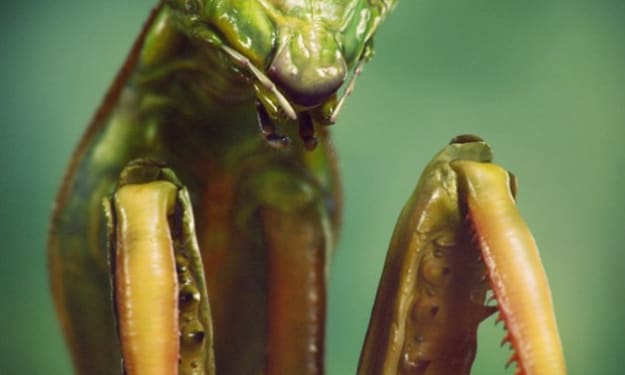
The Tragic Love of Mantis
Once upon a time, in the heart of a vibrant forest, there lived a peculiar creature known as Mantis. With its slender body and elongated limbs, Mantis was an elegant insect that possessed remarkable grace and agility. However, its beauty masked a harsh and solitary existence, for Mantis had a reputation for its uncompromising approach to love.
By Jeff Miguel3 years ago in Earth
Factors to Consider When Buying a Rear Tine Tiller Under $1000
Introduction When it comes to gardening and landscaping, having the right tools can make a world of difference. One such tool is a rear tine tiller, which helps prepare the soil for planting by breaking it up and aerating it. Rear tine tillers are available at a wide range of prices, but if you're on a budget, you can find reliable options under $1000. In this article, we will discuss the key factors to consider when buying a rear tine tiller in this price range.
By gaurav das3 years ago in Earth
Raging Storms and Burning Desires
One of the biggest problems of our day is climate change, which has a profound effect on people, society, and the environment. Beyond its scientific and ecological aspects, climate change causes a variety of emotional reactions among people all over the world. The idea of emotional attachment to climatic changes is explored in this article, along with the range of emotions humans feel and their ramifications.
By Zenia Samson3 years ago in Earth
"The Unveiling of a New Era"
Once upon a time, a new era was dawning in modern-day Egypt, and the people yearned for the latest news and current events. Egyptians were driven by an insatiable thirst for knowledge from politics to the economy, social issues to sports. They understood that staying informed was crucial as their nation stood at the precipice of transformation.
By Judith Asika3 years ago in Earth