Nature
Sustainable Living. Content Warning.
Sustainable Living: Building a Greener Future for Generations to Come" In today's fast-paced world, the importance of sustainable living has become increasingly evident. As we strive to protect the planet and secure a brighter future, adopting eco-friendly practices has become a global movement. Sustainable living encompasses various aspects of our daily lives, from reducing waste and conserving energy to promoting ethical consumption and supporting renewable resources. This article explores the significance of sustainable living and provides practical tips for incorporating it into our lifestyles.Sustainable living revolves around minimizing our environmental impact and preserving natural resources. It entails making conscious choices that reduce waste, conserve energy, and promote eco-friendly practices. By embracing sustainable living, we take responsibility for the well-being of our planet and future generations.
By Benito Validum3 years ago in Earth
Beyond Touristy Spots: Embrace Authentic Experiences and Local Culture
As travelers, it's tempting to stick to the beaten path and visit the tourist hotspots that we've all heard about. However, there's much more to traveling than ticking off a checklist of must-see sights. To truly get to know a destination, it's important to seek out authentic local experiences and embrace the culture of the place you're visiting. Here are some tips on how to do just that.
By Richard Wilson3 years ago in Earth
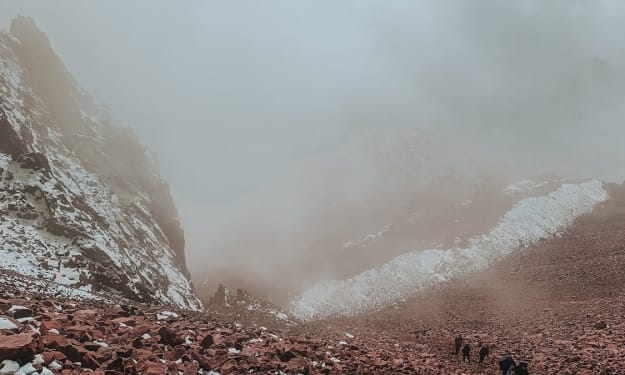
Unveiling 10 Best Wonders of the Earth - From Snowy Mountains to Lush Rainforests
Our planet is home to a diverse range of natural wonders. From towering mountains to lush rainforests, there is no shortage of stunning landscapes to explore. It is important to appreciate and protect these wonders for future generations to enjoy. In this article, we will explore the top 10 natural wonders of the world.
By Richard Wilson3 years ago in Earth
The Last Oasis
The sun scorched the barren land, its relentless rays beating down upon the cracked earth. The air was heavy with the acrid scent of desperation, and the once vibrant colors of nature had faded into a desolate palette of grays and browns. This was a world on the brink of collapse, where hope seemed like a distant memory.
By Mikel Brianna 3 years ago in Earth
The Ultimate Beach Escapes: Crystal Clear Waters and Powder-Soft Sands
There's something undeniably captivating about a pristine beach with crystal clear waters and powder-soft sands. The allure of a tropical paradise, where azure waves gently lap against the shore and warm sunshine kisses your skin, is irresistible. In this article, we invite you to embark on a journey to the ultimate beach escapes around the world. From remote islands to vibrant coastlines, these destinations offer breathtaking natural beauty, serenity, and the opportunity to unwind in paradise.
By Meghan Jensen3 years ago in Earth
Adventurous Water Sports: Surfing, Diving, and Beyond
For thrill-seekers and water enthusiasts, there's nothing quite like the rush of adrenaline and the sense of freedom that comes from engaging in adventurous water sports. From riding the waves on a surfboard to exploring the depths of the ocean while scuba diving, the world of water sports offers an array of thrilling and immersive experiences. In this article, we dive into the world of adventurous water sports, exploring the excitement and unique challenges that come with activities such as surfing, diving, and beyond.
By Meghan Jensen3 years ago in Earth
In the Footsteps of Explorers
Throughout history, intrepid explorers have ventured into the unknown, uncovering the remnants of ancient civilizations that were lost to time. From the mighty pyramids of Egypt to the enigmatic ruins of Machu Picchu, these archaeological discoveries have captivated our imaginations and provided valuable insights into the rich tapestry of human history. In this article, we embark on a journey in the footsteps of explorers, rediscovering the lost civilizations that have left an indelible mark on our collective heritage.
By Meghan Jensen3 years ago in Earth
THE CLIMATE
Climate is an integral part of our natural environment, and it is a vital component for the sustainability of all life on earth. The climate plays a critical role in shaping the world as we know it, and as such, it is crucial to understand its importance. The climate affects everything from agriculture to human health, and it is essential to recognize its significance in shaping our planet's history, our contemporary livelihoods and our future. In this essay, I will discuss the importance of climate in various fields that affect our daily lives. To start with, the primary importance of climate is its effect on agriculture. Climate conditions such as temperature, rainfall, and humidity directly influence crop yield. This means that changes in climate can have significant impacts on food security and global agricultural production. For instance, droughts, high temperatures, or excessive rainfall can reduce crop yields, leading to food scarcity, and consequently, price hikes. According to the Intergovernmental Panel on Climate Change (IPCC), It is projected that climate change will have an amplified impact on food security. This is because it can alter climatic zones and rainfall patterns, leading to changes in crop yields, and an increased risk of extreme weather events making feeding the planet's population more challenging than ever. Therefore, this highlights the importance of climate research to develop new crops that can withstand climate shocks. Furthermore, climate is essential to the management and maintenance of terrestrial and marine ecosystems. Different ecosystems have developed over time, adjusting to different climatic conditions. Changes in temperature and precipitation levels can have drastic effects on the ecosystems' delicate balance, affecting species distribution, abundance, and migration patterns. This means that climate change is driving species' extinction, hampering biodiversity conservation efforts. As reported by the National Oceanic and Atmospheric Administration (NOAA), the ocean's temperature has increased by almost 1°C since the 1800s, leading to drastic coral bleaching events in the Great Barrier Reef. Coral reefs are critical ecological communities that are home to more than 25% of marine life, and their survival is at stake in the midst of global climate change. Thus, climate regulation and conservation of these habitats should be top priorities in conservation initiatives to maintain and protect species diversity. Moreover, the climate is a significant determinant of public health. Human health is intricately linked to the environment, and climate change poses a significant threat to the health of populations worldwide. Global warming is responsible for the proliferation of new diseases transmitted by vectors like mosquitoes, ticks, and fleas. The World Health Organization (WHO) reports that climate change is likely to lead to the increased transmission of malaria, dengue fever, yellow fever, and other life-threatening diseases. Additionally, extreme weather events like hurricanes, wildfires, and floods caused by climate change are likely to increase the mortality rate from injuries and deadly infectious diseases. Therefore, it is imperative to understand the nature of these health challenges and invest in mitigation strategies such as improving healthcare facilities, vaccination programs, and early-warning systems. Finally, the importance of climate assumes center stage when considering energy production. Climate change is forcing the adoption of low-carbon and renewable energy sources to reduce the carbon footprint. This is because the increasing amount of carbon dioxide in the atmosphere has led to a rise in global temperatures, causing a host of problems such as ocean acidification, melting glaciers, and rising sea levels. Natural disasters like floods, droughts, and heatwaves may also become common in the future due to climate change, which would harm energy infrastructure and disrupt energy production. Thus, the transition to clean energy is a vital step to mitigate climate change impacts and generate power sustainably. In conclusion, the significance of climate is widespread and vital to the continuity and sustenance of life on earth. As has been observed, climate plays a critical role in agriculture, ecosystem management, public health, and energy production. This essay has highlighted the importance of climate in these four domains alone, although it is clear that climate is a vital aspect of almost every field. Therefore, it is imperative that we manage the climate in an environmentally sustainable way, as we seek to mitigate current and future challenges that it poses. Citations: - Intergovernmental Panel on Climate Change (IPCC). (2014). Climate change 2014: Impacts, adaptation, and vulnerability. Part A: Global and sectoral aspects. Contribution of Working Group II to the Fifth Assessment Report of the Intergovernmental Panel on Climate Change. - National Oceanic and Atmospheric Administration (NOAA). (2021). Climate change facts. https://www.weather.gov/jetstream/climate_change
By Temi Cyder 3 years ago in Earth
Traveling Solo: Embracing the Adventure of Solo Female Travel
n recent years, solo female travel has gained immense popularity as more women around the world embrace the freedom and empowerment of exploring new destinations on their own. From the thrill of navigating unfamiliar streets to the opportunity for self-discovery and personal growth, traveling solo as a woman is a transformative experience. In this article, we celebrate the joys and advantages of solo female travel, while providing essential tips to ensure a safe and fulfilling journey.
By Meghan Jensen3 years ago in Earth
Endangered Animals Facing Extinction in 2023 and 2024: Fascinating Species on the Brink
In the face of rapidly advancing ecological crises, many species of animals worldwide are threatened with extinction. Unfortunately, upcoming years like 2023 and 2024 bring bleak forecasts for some remarkable species. In this article, we will explore a few of these species that are teetering on the edge of survival and require urgent conservation efforts.
By Sara Black3 years ago in Earth
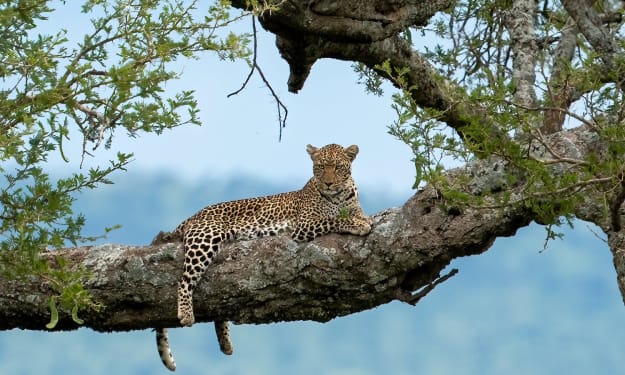
Into the Wild: Wildlife Safaris You Need to Experience
For nature enthusiasts and adventure seekers, there is nothing quite like the thrill of encountering wildlife in their natural habitats. From the majestic lions of the African savannah to the elusive tigers of the Indian jungles, wildlife safaris offer a unique opportunity to witness the wonders of the animal kingdom up close. In this article, we will take you on a journey to some of the world's most remarkable wildlife destinations, showcasing the extraordinary experiences and breathtaking encounters that await those who venture into the wild.
By Meghan Jensen3 years ago in Earth