Nature
Loss and Grief
In the heart of the verdant rainforest, where sunlight danced through a kaleidoscope of leaves, lived a young girl named Maya. Her days were painted in shades of green, her soul entwined with the rhythms of nature. Every morning, she would wake up to the melodious symphony of birdsong and embark on adventures through the lush undergrowth, mesmerized by the beauty and diversity that surrounded her.
By Venkatesh nanganoori3 years ago in Earth
Unity and Division
In the town of Riverview, a local election was underway, casting a stark light on the deep divisions that had long simmered beneath the surface. The community was torn apart by conflicting ideologies and interests, leaving neighbors and friends locked in a battle of fear, anger, and frustration.
By Feyisayo Balogun3 years ago in Earth
Hope and Resilience
Once upon a time, in a forgotten corner of a bustling city, there existed a vacant lot that had been left to decay. The lot stood as a haunting reminder of broken dreams and lost opportunities. Among the sea of concrete and dilapidated structures, there was one person who refused to succumb to the despair that surrounded them—Emily.
By Feyisayo Balogun3 years ago in Earth
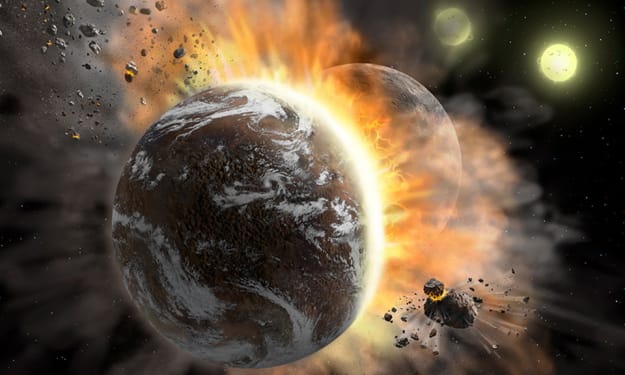
Exploring the Universe: Recent Discoveries in Astronomy and Cosmology
Astronomy, the study of celestial objects and phenomena, has fascinated humans for millennia. From the ancient civilizations who looked up at the night sky in awe to the modern scientists using powerful telescopes and cutting-edge technology, our understanding of the universe has grown immensely. In recent years, there have been numerous groundbreaking discoveries that have reshaped our understanding of the cosmos and opened up new frontiers of exploration. In this article, we will delve into a few of these recent discoveries in astronomy and cosmology.
By Richard Abolarinwa3 years ago in Earth
The Green Dreamer. Content Warning.
In the year 2050, the world had changed emphatically. The once-dynamic backwoods were presently fruitless badlands, the perfectly clear streams were dirtied and harmful, and the skies were hidden in a thick cover of brown haze. The results of humankind's dismissal for the climate had happened as expected, leaving a disheartening and ruined planet afterward.
By AROONAVA CHATTERJEE3 years ago in Earth
Climate and Environment
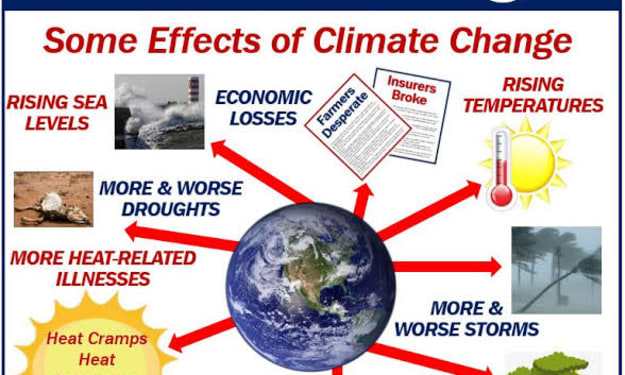
Climate and environment Climate and the environment are closely interconnected and play significant roles in shaping our planet and affecting life on Earth. Here's an overview of climate change and environmental issues: Climate Change: Climate change refers to long-term shifts in weather patterns and average temperatures due to human activities, primarily the emission of greenhouse gases (such as carbon dioxide and methane) into the atmosphere. The main causes of climate change include burning fossil fuels, deforestation, industrial activities, and agricultural practices. It leads to rising global temperatures, sea-level rise, altered precipitation patterns, increased frequency of extreme weather events, and other ecological disruptions. Global Warming: Global warming is a part of climate change and refers specifically to the long-term increase in Earth's average surface temperature. It is primarily caused by the greenhouse effect, where certain gases trap heat from the sun in the Earth's atmosphere, preventing it from escaping back into space. Impacts of Climate Change: Climate change has wide-ranging impacts on natural ecosystems, biodiversity, and human societies. It affects agriculture, water resources, human health, coastal areas, and vulnerable communities disproportionately. Some consequences include altered rainfall patterns, more frequent and intense heatwaves, loss of biodiversity and habitats, increased risk of natural disasters, and disruptions to ecosystems and the services they provide. Mitigation: Climate change mitigation refers to efforts aimed at reducing greenhouse gas emissions and stabilizing the Earth's climate. It involves transitioning to renewable energy sources, increasing energy efficiency, promoting sustainable land use practices, and adopting environmentally friendly technologies. Mitigation measures are essential to limit global warming and minimize the impacts of climate change. Adaptation: Climate change adaptation involves adjusting to the current and anticipated impacts of climate change. It includes actions such as building resilient infrastructure, implementing early warning systems for extreme weather events, improving water management, and enhancing agricultural practices to cope with changing conditions. Adaptation strategies aim to reduce vulnerability and enhance the resilience of communities and ecosystems. Biodiversity Loss: Biodiversity loss is another significant environmental concern. It refers to the ongoing decline in the variety and abundance of plant and animal species worldwide. Human activities like habitat destruction, pollution, climate change, overexploitation, and invasive species introduction are the main drivers of biodiversity loss. Preserving biodiversity is crucial for maintaining ecosystem stability, providing ecosystem services, and ensuring long-term sustainability. Conservation and Sustainability: Conservation efforts focus on protecting natural resources, preserving biodiversity, and managing ecosystems sustainably. It involves establishing protected areas, implementing sustainable fishing and forestry practices, promoting wildlife conservation, and raising awareness about environmental issues. Sustainable development aims to meet present needs without compromising the ability of future generations to meet their own needs, considering economic, social, and environmental factors. Addressing climate change and environmental challenges requires global cooperation, policy changes, technological advancements, and individual actions. It involves transitioning to a low-carbon economy, promoting renewable energy, sustainable agriculture, efficient resource management, and fostering a mindset of environmental stewardship. Surviving in the face of climate change involves taking proactive measures to adapt to changing environmental conditions and reduce vulnerability. While individuals and communities cannot entirely prevent or reverse climate change, they can take steps to minimize its impact and increase resilience. Here are some strategies for surviving and adapting to climate change: Stay Informed: Stay updated on the latest climate science, predictions, and local climate risks. This knowledge can help you understand the potential impacts in your area and make informed decisions regarding adaptation measures. Disaster Preparedness: Prepare for extreme weather events such as floods, hurricanes, heatwaves, or droughts by creating emergency plans, assembling disaster supply kits, and knowing evacuation routes. Stay connected to local emergency management agencies to receive timely alerts and warnings. Water Management: As changing climate patterns may lead to water scarcity or excessive rainfall, develop water management strategies. This includes implementing rainwater harvesting, water conservation practices, and exploring alternative water sources like graywater systems or desalination technologies. Sustainable Agriculture: Changes in temperature, rainfall patterns, and pests can significantly impact agriculture. Embrace sustainable farming practices such as organic farming, agroforestry, and efficient irrigation methods. Diversify crops and explore resilient varieties that can better withstand changing climatic conditions. Energy Efficiency and Renewable Energy: Reduce reliance on fossil fuels and mitigate greenhouse gas emissions by improving energy efficiency in your home, workplace, and transportation. Consider adopting renewable energy sources such as solar or wind power, which can provide clean and sustainable alternatives. Ecosystem Restoration: Protecting and restoring natural ecosystems can enhance resilience to climate change. Forests, wetlands, and coral reefs, for example, provide important ecological services, including carbon sequestration, flood control, and habitat preservation. Support conservation efforts and participate in local restoration projects. Community Engagement: Engage with local communities, organizations, and governments to collaborate on climate change adaptation strategies. Participate in community initiatives, advocate for sustainable policies, and contribute to resilience-building efforts. Sustainable Infrastructure: Design and construct infrastructure that can withstand extreme weather events and changing climate conditions. This includes flood-resistant buildings, green roofs, permeable pavements, and urban planning that incorporates climate resilience measures. Health and Well-being: Prioritize personal health and well-being during climate-related challenges. Take necessary precautions during heatwaves or air pollution episodes, ensure access to clean water and sanitation facilities, and promote mental health support in the face of climate-induced stressors. Education and Awareness: Educate yourself and others about climate change, its impacts, and adaptation strategies. Raise awareness and promote sustainable practices within your community and inspire others to take action. Remember, surviving and adapting to climate change is a collective effort. By taking individual actions and fostering community resilience, we can better navigate the challenges posed by a changing climate and work towards a more sustainable.
By Abasibiangake 3 years ago in Earth
Unveiling the Hidden Treasures:
Introduction: Embark on a remarkable journey into the heart of Africa's whimsical forest, where hidden gems and enchanting trails await those seeking an extraordinary adventure. In this article, we will unveil the secrets of the lesser-known trails that lead to breathtaking waterfalls. Get ready to immerse yourself in the untouched beauty of Africa's wilderness as we uncover the mystical allure of these hidden treasures. 🌍✨
By Lawal Oluwaseun Christian3 years ago in Earth
Beyond Human nature of life:
Beyond Human nature of life: The human experience has always been shaped by our innate desire to understand and explore the world around us. From the earliest days of civilization, we have been driven to push beyond our natural limitations and seek out new frontiers of knowledge and understanding.
By Luah Lempekeh3 years ago in Earth
Climate Change
Climate change refers to long-term shifts in weather patterns and average temperatures on Earth. It is primarily caused by the increase in greenhouse gases in the atmosphere, primarily carbon dioxide (CO2) and methane (CH4), which trap heat and result in the greenhouse effect.
By Stephen Omeje3 years ago in Earth
The Impact of Brexit on England:
As the sun dipped below the horizon, casting a warm glow over the English countryside, Sarah walked along the familiar streets of her small town. But today, a heaviness filled the air, a reflection of the uncertainty and change that Brexit had brought to England.
By Olaide Ayinla3 years ago in Earth