Humanity
The Power of Christ's Resurrection
The resurrection of Jesus Christ is the central event of the Christian faith and one of the most powerful moments in all of human history. It is not merely a miracle among many, but the defining miracle that establishes the foundation of Christianity. Without the resurrection, the message of the gospel would be incomplete, the Christian faith would be in vain, and hope would be absent. But with it, everything changes—past, present, and future. The power of Jesus’ resurrection transcends the limits of death, sin, and despair, offering life, freedom, and eternal hope to all who believe. Sometimes we put our belief in politicians, but Jesus isn't running for office, put your faith in him not politics!
By Juan Hernandezabout a year ago in Earth
Ten easy-care indoor plants that are ideal for novices
10 Easy-Care Indoor Plants That Are Great for Beginners Houseplants are a great way to introduce nature into your home, clean the air, and enhance your mental health. But some people fear they'll forget to water, not get enough light, or simply not have a "green thumb." Well, the good news is that there are a lot of houseplants that are extremely easy to maintain, so they're perfect for beginners.
By mukesh jaiswarabout a year ago in Earth
Israel security cabinet approves plan to 'capture' Gaza, official says
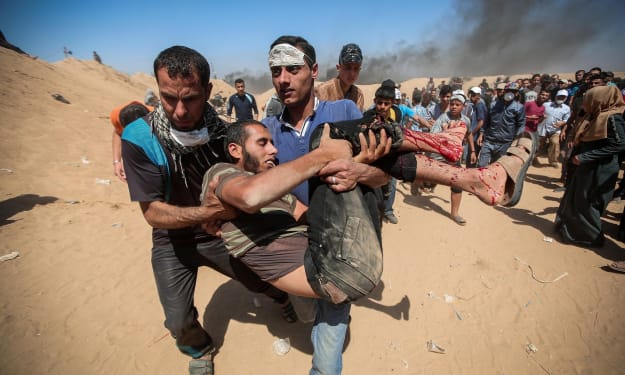
According to an Israeli official, a plan to expand Israel's military offensive against Hamas that includes the "capture" of Gaza and the holding of its territory has been approved by the security cabinet. Moving the 2.1 million Palestinians living in Gaza toward the south, which could exacerbate the humanitarian crisis, is also said to be part of it. According to the official, it would accomplish the objectives of defeating Hamas and returning its remaining hostages, which is why Prime Minister Benjamin Netanyahu called it a "good plan." A plan to deliver and distribute humanitarian aid through private businesses was also approved in principle by the cabinet. This would end a blockade that lasted two months and was blamed by the United Nations for severe food shortages.
By Showath Hosen about a year ago in Earth
Trump’s Trade War with Canada Backfired on America. AI-Generated.
Trump’s Trade War with Canada Backfired on America How tariffs intended to protect U.S. industry ended up hurting American businesses and straining a key alliance By Sujon The tariffs on Canadian steel and aluminum, imposed under the pretext of national security, were intended to reignite U.S. manufacturing, curb foreign dependency, and bolster American jobs when former President Donald Trump launched a trade war with Canada in 2018. However, the legacy of that trade war tells a different story—one in which U.S. businesses absorbed higher costs, export markets shrank, and North America's tightly integrated economies were thrown into disruption. The Spark That Lit the Fire Trump's use of Section 232 of the Trade Expansion Act, which permitted tariffs on imported steel (25%) and aluminum (10%) from important allies, including Canada, was at the center of the conflict. Despite strong opposition, the administration proceeded, citing national security risks, a claim that is widely contested by policymakers and economists. Canada promptly retaliated with dollar-for-dollar countermeasures on American commodities like lawn mowers, bourbon, and orange juice. Canada is the United States' top supplier of both materials and its second-largest trading partner overall. Both nations' businesses were shaken by the tit-for-tat escalations, which were widely criticized. Collateral Damage: American Business Rather than reviving American steel production or creating a wave of new jobs, the tariffs triggered a cascade of negative effects. U.S. manufacturers, particularly those reliant on Canadian metal—such as automotive, construction, and machinery firms—faced soaring input costs. This eroded profit margins and led some companies to delay investments or downsize. “Instead of punishing foreign producers, we ended up harming ourselves,” said one executive at a U.S.-based manufacturing firm. “The increasing costs made it harder to compete abroad and prompted us to hike prices at home.” Canadian retaliation severely damaged the agricultural industry, another important component of U.S. exports. Overnight, small farms and manufacturers of certain products, such as processed foods and maple syrup, saw a decline in their northern market. A Strain on Trade Relations The freshly negotiated United States-Mexico-Canada Agreement (USMCA), which took the place of NAFTA in 2020, was weakened by the trade war. Even if the arrangement eventually proceeded, the harm to trust persisted. In order to lessen their dependency on American imports and exports, Canadian companies and leaders started looking at diversification measures after voicing worries about the unpredictable nature of U.S. trade policy. A small but important change in the dynamics of North American commerce was brought about by this strategic turn, which was intended to improve relations with European and Asian markets. Canada’s Resilient Response Ironically, the war was good for certain Canadian industries. Local demand increased for domestic manufacturers of steel and aluminum, who were protected from U.S. competition by tariffs. The public's support for Canadian-made goods increased, supporting domestic industries even more. In order to make Canadian companies more competitive internationally, the crisis also expedited government initiatives to invest in supply chain innovation and resilience. Lessons from a Misguided Strategy The foundation of Trump's trade conflict with Canada was the idea that tariffs would restore industrial power and level the playing field for American workers. However, the truth turned out to be more nuanced. In the end, the program provided little value to the industries it was intended to safeguard, harmed ties with one of America's most dependable allies, and produced economic inefficiencies. The story serves as a warning as the United States continues to negotiate international competition: trade wars, especially those involving allies, can have unforeseen and long-lasting effects. It is difficult to replace long-standing business relationships, and punishing friends frequently results in self-harm. About the Author Sujon is a journalist and policy analyst specializing in international trade and economic policy.
By Sujon Sujonabout a year ago in Earth
Yasmin Bashirova: Bridging Innovation and Human Rights
In the evolving landscape of global advocacy, leaders who bridge the gap between technology and human rights are rare—and essential. Yasmin Bashirova is one such leader. With a background rooted in engineering and entrepreneurship, she has channeled her talents into championing causes that support justice, equality, and sustainability. Her approach to human rights advocacy is multidimensional, reflecting both her personal history and her professional commitment to meaningful impact.
By Yasmin Bashirovaabout a year ago in Earth
Airstrikes Pound Gaza as Israel Announces Plans to Displace More Residents
As Israel announces plans to relocate additional residents, Gaza is the target of airstrikes. *May 8, 2025* The Gaza Strip is once again under intense bombardment, with Israeli airstrikes killing dozens of Palestinians amid escalating military operations. As of this week, at least 92 people — including women, children, and journalists — have lost their lives in a new round of attacks, drawing global condemnation and deepening fears of a humanitarian catastrophe.
By GLOBAL NEWSabout a year ago in Earth
Tensions Soar as India and Pakistan Exchange Strikes Over Kashmir Attack
In a dramatic escalation of tensions following an attack on tourists in Kashmir, the Indian Air Force (IAF) launched missile strikes targeting sites within Pakistan and Pakistan-administered Kashmir during the early hours of May 7. The strikes, according to Indian officials, were aimed at nine terrorist hideouts. However, Pakistan disputes this, claiming the missiles struck civilian areas, causing significant casualties, including women and children.
By Mubasshir Haque about a year ago in Earth