Humanity
The Amazon Rainforest: Earth's Beating Heart Is Dying in Silence
When people think of the Amazon Rainforest, they often picture an endless sea of green, teeming with exotic wildlife and ancient secrets. It's a place that has inspired adventurers, scientists, and storytellers for centuries. But while its mysteries captivate the imagination, there’s an even greater story unfolding—one of quiet tragedy and unexpected revelations. The Amazon isn’t just a forest; it's a biological miracle. And it’s in more danger than most people realize. The Surprising Science Behind the Forest We all learned in school that the Amazon is the "lungs of the Earth." But that’s only partly true. The forest absorbs about 2 billion tons of CO₂ every year. However, scientists recently discovered that parts of the Amazon are now emitting more carbon than they absorb due to widespread deforestation and wildfires. In other words, this once life-giving ecosystem may be turning against us—not by choice, but by our actions. What’s more fascinating is how the Amazon creates its own weather. It releases water vapor through a process called transpiration—basically, the trees "sweat." This moisture forms clouds and rainfall not just for the forest itself, but for surrounding regions and even continents. Without the Amazon, farming regions as far away as the United States and Argentina could face severe droughts. It’s not just a rainforest—it’s a climate engine. More than Just Trees and Animals The Amazon is home to over 400 billion individual trees, spread across 16,000 species. But it’s not just the trees that matter—this region supports one in ten known species on Earth. From the jaguar to the Amazon river dolphin, from poison dart frogs to bioluminescent fungi, the biodiversity here is beyond comprehension. Yet, the most mind-blowing part? We haven’t even discovered everything. Scientists estimate that thousands of species of plants, animals, and fungi remain unnamed and undocumented. In fact, on average, a new species is discovered in the Amazon every three days. And here’s something truly unexpected: The Amazon has its own "internet" system. Not digital, of course—but fungal. Known as the “Wood Wide Web,” this underground network of mycorrhizal fungi allows trees and plants to share nutrients, send warnings about pests, and even support weaker trees. It’s a form of natural communication that puts modern technology to shame. People of the Amazon: Keepers of Forgotten Knowledge Often overlooked in environmental discussions are the people who have lived in harmony with this land for thousands of years. The Amazon is home to over 350 Indigenous groups, many of whom still live without formal contact with the outside world. These communities possess knowledge about medicinal plants, sustainable farming, and biodiversity that modern science has only begun to explore. Here’s a shocking twist: Modern pharmaceuticals have already benefited from Amazonian knowledge. More than 25% of Western medicines are derived from rainforest ingredients—many of them found in the Amazon. The rosy periwinkle, for example, led to life-saving drugs for childhood leukemia and Hodgkin’s disease. Imagine what else might be hidden in the leaves and roots of this vast forest, waiting to be discovered—or destroyed. Deforestation: Death by a Thousand Cuts Despite all this wonder, the Amazon is vanishing. Over 17% of the forest has already been lost, mostly to cattle ranching, logging, and soy farming. And if we reach 20–25%, scientists warn of a terrifying tipping point. The forest could collapse into a dry savannah, unable to support its current biodiversity or climate functions. It gets worse: Illegal mining operations are poisoning rivers with mercury, threatening both wildlife and Indigenous communities. Fires—some natural, most manmade—rip through huge swathes of forest every dry season. Satellite images show black scars across green expanses, the wounds of our greed. The Forest Isn’t Just a Victim. It Fights Back. In a strange twist of fate, the Amazon may have the last word. As it becomes drier and more fragmented, its ability to absorb carbon diminishes. That means global temperatures could rise faster, leading to more extreme weather, rising sea levels, and failing crops worldwide. It's not a distant crisis—it's one that's beginning to knock on all our doors. But the forest also offers hope. Reforestation projects in Brazil, Colombia, and Peru have shown that with time and care, some areas can recover. Scientists are now using drones and AI to identify critical zones for restoration. Even local communities are stepping up, reviving traditional land practices to heal the soil and protect what’s left. So, What Can You Do? You don’t have to live near the Amazon to protect it. Here are a few impactful ways to help: 1. Support Rainforest Charities: Groups like the Rainforest Alliance, Amazon Watch, and the Pachamama Alliance work directly with communities on the ground. 2. Watch What You Eat: Beef and soy are major drivers of deforestation. Choose sustainable sources and support companies with deforestation-free supply chains. 3. Go Paperless (When Possible): Paper and wood products contribute to logging. Recycled materials make a difference. 4. Raise Awareness: Share articles, speak up, and educate others about the Amazon's true importance. 5. Support Indigenous Rights: The best protectors of the forest are those who have always lived there. Final Thoughts: A Global Forest The Amazon isn’t just Brazil’s treasure—it’s the planet’s inheritance. It holds the key to fighting climate change, curing diseases, and understanding life itself. But its wonders may vanish before we truly understand them. It’s time to stop thinking of the Amazon as someone else’s problem. Because in many ways, the Amazon is us—our weather, our air, our medicine, our future. And if we let it die in silence, the whole world may go quiet with it. ---
By Umair Khan2 years ago in Earth
Plant a Tree, Breathe a Future: How Neem and Other Trees Can Save Our Planet
: In a world suffocating under the weight of pollution, rising temperatures, and vanishing wildlife, the solution may be simpler—and greener—than we think: plant more trees. Trees are not just part of the landscape; they are the lungs of the planet, natural air conditioners, rainmakers, and shelters for countless species. Among the many powerful trees we can grow, Neem (Azadirachta indica) stands out as a quiet warrior in the fight against climate change. But it's not alone. Let’s explore the importance of neem and other vital trees, and how they can transform our environment and our lives. --- Neem: Nature’s Pharmacy and Air Purifier Neem is known as the “Village Pharmacy” in many parts of South Asia, and for good reason: Extreme Weather Resistance: Neem trees can tolerate temperatures as high as 55°C and as low as 10°C, making them ideal for regions facing extreme climate changes. Air Purification: A mature neem tree produces cooling equivalent to three air conditioners running 24/7. Health Benefits: From its anti-bacterial leaves to anti-fungal bark, neem is a natural healer. Pest Control: Neem acts as a natural pesticide, reducing the need for harmful chemicals in agriculture. Despite all these benefits, a neem sapling costs as little as $0.50 to $1—a small price for such a big impact. --- Moringa: The Miracle Tree Moringa oleifera, also called the “drumstick tree” or “tree of life,” is another powerhouse: Nutrient-Rich Leaves: High in vitamins A, C, calcium, and protein. Soil Enhancer: Moringa improves soil fertility, especially in dry, degraded lands. Rainwater Retention: Its roots help prevent erosion and increase water absorption. --- Peepal and Banyan: Sacred Giants with Superpowers These massive, sacred trees are more than religious symbols: Oxygen Generators: Peepal (Ficus religiosa) releases oxygen even at night—rare among trees. Micro-Ecosystems: Both banyan and peepal support entire ecosystems of birds, monkeys, squirrels, and insects. Carbon Sequestration: Their huge canopies and thick trunks store massive amounts of carbon, reducing greenhouse gases. --- Fruit Trees: Food, Shade, and Shelter Mango, jamun, guava, and berry trees not only feed us but also feed countless animals and birds: Bird Habitats: Flowering and fruiting trees attract pollinators and birds, helping ecosystems thrive. Community Benefits: Fruit trees support local economies and food security. Rainfall Inducers: Forested areas have higher humidity and cloud formation, leading to increased rainfall. --- Environmental and Social Benefits Planting trees brings a cascade of positive effects: Cleaner Air: Trees absorb CO₂ and pollutants while releasing life-giving oxygen. Rainfall Restoration: Forests help in cloud formation and rainfall cycles. Wildlife Return: More trees mean more birds, butterflies, and animals returning to habitats. Mental Health: Green spaces lower stress, anxiety, and even reduce crime rates in urban areas. --- Every Tree Counts: What You Can Do Today Plant Native Trees: Native species adapt better and support local wildlife. Support Reforestation Projects: Donate to or volunteer with NGOs that plant trees. Grow at Home: Even a single tree in your backyard or rooftop garden makes a difference. Educate Others: Share stories, facts, and the importance of trees in your community. --- Conclusion: Trees Are Time Machines Every tree planted today is a gift to the future. A neem tree you plant now will cool your street, clean your air, and maybe even heal someone decades from now. As climate change accelerates, forests will be our strongest defense and greatest hope. So plant a tree—not just to save the environment, but to save ourselves. Trees are not a luxury—they are life. ---
By Umair Khan2 years ago in Earth
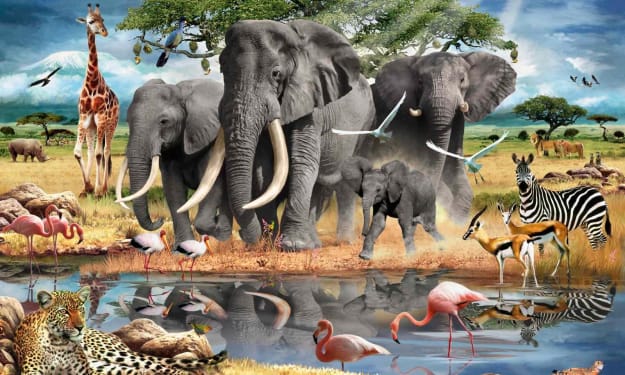
Title The Great Safari Morning
The sun had just begun to rise over the wide grasslands of Africa. Golden rays of light peeked through the clouds and trees, lighting up the savanna like a dream. It was a new day in the wild, and the animals were waking up one by one.
By Muhammad yaqoob2 years ago in Earth
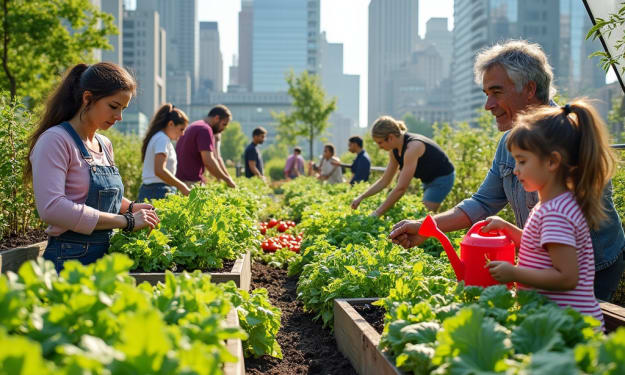
Urban Gardening – A Path to Sustainable Food Systems in Cities
Delivered by [Asim] Good morning, Distinguished guests, colleagues, and fellow citizens, Thank you for the opportunity to speak with you today about an issue that is both deeply practical and profoundly transformative: urban gardening—a grassroots solution with the potential to reshape our cities, strengthen our communities, and build more sustainable food systems for future generations.
By Asim Mehmood2 years ago in Earth
Ultimate Luxury Showdown: Rolls-Royce vs Bugatti. Which is best?
Rolls-Royce La Rose Noire Droptail vs. Bugatti La Voiture Noire: A Battle of Luxury Titans In the ultra-exclusive world of high-end automobiles, two names stand out as pinnacles of art, engineering, and status: Rolls-Royce La Rose Noire Droptail and Bugatti La Voiture Noire. These aren’t just cars—they’re statements, rolling sculptures with prices that soar beyond most people’s wildest dreams. But when placed head to head, which one truly reigns supreme?
By Dr Sazidul 2 years ago in Earth