Humanity
The Unseen Victims
In a small coastal village nestled between the towering mountains and the vast ocean, the air was heavy with both humidity and anticipation. This was a place where the unseen victims of climate change resided, a community forgotten by the world beyond their shores. Here, the salty breeze carried the stories of struggle and resilience, and it was within this backdrop that the tale of Maria unfolded.
By Deborah Alimi 3 years ago in Earth
THE CIRCLE OF LIFE
In the heart of a quiet neighborhood, nestled among tall trees and flowering shrubs, there lay a garden. It was a place where the cycle of life danced in perfect harmony, a sanctuary for both plants and people alike. And in this garden, lived a woman named Danielle.
By Judith Nweke3 years ago in Earth
The Cries of the Ice
Title: " Frostbound" Once upon a time, in a world gripped by icy winds and frozen landscapes, there lived a fearless polar explorer named Amelia. With every expedition, she delved deeper into the heart of the Arctic, guided by her insatiable curiosity and unyielding passion for the icy realms. Amelia had heard the whispers, the murmurs that resonated through the Arctic winds. Tales of melting ice caps, vanishing habitats, and the desperate cries of polar bears echoed in her dreams. Determined to witness the truth firsthand, she embarked on her most perilous journey yet. As Amelia ventured into the Arctic expanse, she couldn't help but feel the weight of responsibility upon her shoulders. With each step, the crunch of her boots against the snow, she knew that she carried the hopes of many—those who had dedicated their lives to preserving the fragile ecosystems. Days turned into weeks, and the frigid air gnawed at her resolve. The landscape she encountered was both breathtaking and haunting. She witnessed vast stretches of open water where ice once stood strong, its absence leaving a void that seemed to devour the horizon. The cries of the ice were no longer a mere tale but a heart-wrenching reality. One fateful evening, while setting up camp near the edge of a dwindling ice shelf, Amelia caught sight of a lone polar bear. The majestic creature, once a symbol of strength and resilience, now appeared weakened and desperate. Its eyes reflected a profound sorrow, mirroring the plight of its kind. With a heavy heart, Amelia realized that she was witnessing the dire consequences of human actions. She approached cautiously, not wanting to alarm the bear. As she drew closer, their eyes met, and a profound connection sparked between them. In that instant, Amelia understood the profound interconnectedness of all life on Earth. The plight of the polar bears was an urgent call to protect and restore our fragile ecosystems, for their survival was intimately tied to our own. Overwhelmed with emotion, Amelia vowed to become a voice for the voiceless. She documented the disappearing ice, the struggles of the polar bears, and the undeniable urgency of the climate crisis. Through her photographs and writings, she sought to awaken empathy and stir hearts. Amelia returned from her expedition, forever changed. She tirelessly shared her experiences, igniting a spark within the hearts of people across the globe. Her story of the cries of the ice and the polar bears resonated deeply with individuals from all walks of life, reminding them of their shared responsibility to protect the environment. Communities rallied together, governments took notice, and movements for climate action gained momentum. The world awakened to the fragile beauty of the Arctic, realizing that its preservation was not merely a distant concern but a matter of survival for the entire planet. And as Amelia stood among the crowd, watching the groundswell of passion and commitment, she knew that her journey had not been in vain. The emotional bonds forged in the frozen Arctic had sparked a global awakening, fueling a collective determination to heal the Earth and safeguard its precious ecosystems. For the cries of the ice had reached the hearts of humanity, and together, they vowed to protect the polar bears and all life that depended on the delicate balance of our planet.
By Emmanuel Tommy 3 years ago in Earth
EMBERS OF FEAR
THE CALM BEFORE Emily stood by the window, gazing out at the serene landscape that stretched before her. The sun painted the sky with hues of orange and pink as it slowly descended towards the horizon. It was a beautiful evening in the small town of Pine-haven, nestled among the thickly forested hills. But underneath the tranquility, fear lurked like a shadow.
By Judith Nweke3 years ago in Earth
"Defiance and Resilience: Southern Kaduna Group Stands Strong Against Proscription by El-Rufai"
Once upon a time in the serene region of Southern Kaduna, Nigeria, a group of resilient individuals known as the Southern Kaduna Advocacy Group (SKAG) stood tall as a voice for their community. The region had been plagued by recurring acts of violence, leading to the loss of innocent lives and the destruction of livelihoods. Frustrated by the continuous injustice, SKAG emerged as a beacon of hope, working tirelessly to seek justice and ensure peace prevailed.
By Adetola Adeniyi3 years ago in Earth
Causes Climate Change and Its Effect
Climate change is primarily caused by human activities that release greenhouse gases into the atmosphere, trapping heat and leading to a range of adverse effects on the environment. Here are 1000 words detailing the causes of climate change and its effects:
By Vincent Ekeh3 years ago in Earth
HOW GORILLA TOURISM CAN SAVE THE ENDANGERED APES AND BOOST LOCAL ECONOMIES
Gorillas are one of the most endangered animals in the world, facing threats such as habitat loss, poaching, disease, and human-wildlife conflict. However, there is a way to help protect these magnificent creatures and their habitats while also supporting the livelihoods and well-being of the local communities: gorilla tourism.
By Kate | Life, Love & Everything In Between3 years ago in Earth
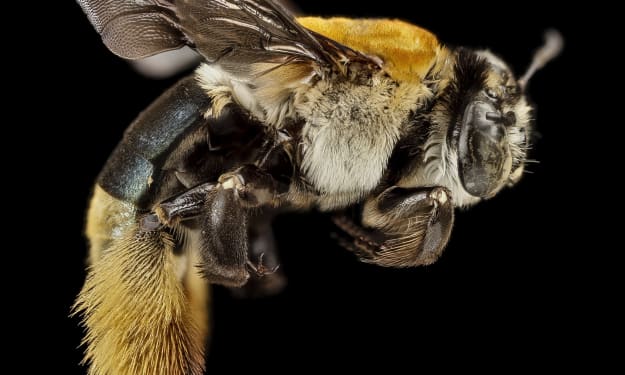
The Bee Crisis
Bees, small yet incredibly vital creatures, play a crucial role in maintaining the balance of our ecosystems. They are responsible for pollinating a significant portion of our food crops and contributing to the diversity and abundance of plant life. However, in recent years, the global population of bees has been declining at an alarming rate. In this article, we explore the hypothetical scenario of a world without bees, delving into the potential consequences for our environment, agriculture, and the delicate balance of life itself.
By Robin Raikwar3 years ago in Earth