Humanity
Climate Change and Human Health
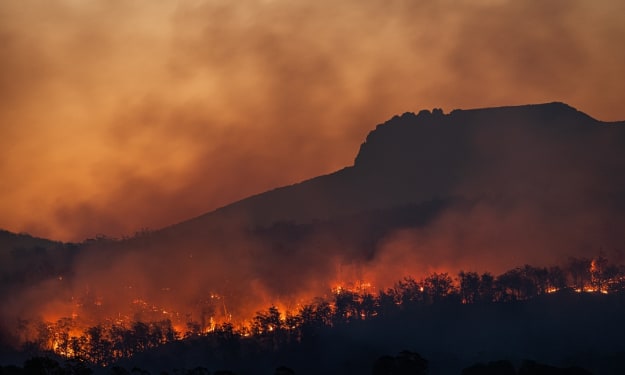
Introduction: Climate change is an escalating global concern with far-reaching consequences, extending beyond environmental implications to impact human health and well-being. This article examines the multifaceted impact of climate change on human health, focusing on the spread of infectious diseases, and the mental health implications of climate related disasters. By understanding these connections, we can develop proactive strategies to mitigate the adverse effects and promote resilient communities. Spread of Infectious Diseases: Climate change has the potential to significantly influence the distribution and transmission of infectious diseases. Rising temperatures and changing precipitation patterns create suitable environments for disease vectors, such as mosquitoes and ticks, to thrive and expand their habitats. For instance, the incidence of mosquito borne diseases like dengue fever, Zika virus, and malaria is increasing in previously unaffected regions. Furthermore, climate change impacts ecosystems, disrupting ecological balances and potentially altering disease dynamics. The migration of species, including disease carrying vectors and reservoir hosts, can introduce pathogens to new areas. This phenomenon increases the risk of disease outbreaks and poses challenges for public health systems worldwide. Increased Heat waves: One of the most direct and immediate health consequences of climate change is the rise in heat waves. As global temperatures continue to climb, heat waves become more frequent, prolonged, and intense. Extreme heat events have significant health implications, including heat exhaustion, heatstroke, and cardiovascular and respiratory conditions. Vulnerable populations, such as the elderly, children, and individuals with pre-existing health conditions, are particularly susceptible to heat related illnesses. Urban areas, with their heat absorbing infrastructure and limited green spaces, experience amplified heat island effects, exacerbating the health risks for urban dwellers. Mental Health Implications of Climate lated Disasters: Climate related disasters, such as hurricanes, floods, and wildfires, are becoming more frequent and severe due to climate change. These events not only cause physical injuries and displacement but also have profound mental health implications. The trauma, loss, and disruption associated with climate related disasters can lead to an increase in mental health disorders, including post traumatic stress disorder (PTSD), anxiety, depression, and substance abuse. The long-term psychological impacts on affected communities are often overlooked and require dedicated support systems and mental health services. Mitigation and Adaptation Strategies: To address the health impacts of climate change, it is essential to develop comprehensive mitigation and adaptation strategies: Strengthening Public Health Systems: Investing in robust public health systems is crucial to monitor, respond, and control the spread of infectious diseases in a changing climate. This includes disease surveillance, early warning systems, and adequate healthcare infrastructure. Heatwave Preparedness and Urban Planning: Implementing heatwave early warning systems, improving access to cooling centers, and promoting urban planning measures that prioritize green spaces and heat esilient infrastructure can help reduce the health risks associated with extreme heat. Building Climate Resilient Communities: Enhancing community resilience through disaster preparedness, emergency response planning, and mental health support systems can mitigate the adverse mental health impacts of climate related disasters. Promoting Sustainable Development: Transitioning to low -carbon and sustainable development pathways is vital for mitigating climate change and its health implications. This includes promoting renewable energy, sustainable transportation, and reducing greenhouse gas emissions. Conclusion: The intricate relationship between climate change and human health necessitates urgent action to mitigate the adverse impacts. By understanding the implications of climate change on the spread of infectious diseases, increased heat waves, and mental health, we can work towards developing effective strategies that prioritize human well-being. Through international cooperation, public health initiatives, and sustainable development practices, we can build resilient communities and protect the health of present and future generations in the face of climate change.therefore we are to build an intentional role of preserving our climate with the aim of making our world a better place a
By Humble jerry 3 years ago in Earth
THE OCEAN
Oceanic lore Stretching endlessly in every direction, the ocean is an awe-inspiring canvas of boundless beauty and mystery. Its vastness, both captivating and intimidating, stirs the deepest recesses of the human imagination. To stand at its edge is to witness the raw power and untamed expanse of nature itself.
By Richard attah3 years ago in Earth
CLIMATE CHAGES IN AFRICA
As the sun began to rise over the vast African savannah, a group of farmers rose with it. They gathered their tools and made their way to their fields, ready for another day of hard work in the soil. As they dug their hoes into the dry, dusty earth, they couldn't help but feel a growing sense of despair. For the last few years, the rains had been unreliable, and the crops they so painstakingly planted had withered and died in the scorching heat.
By Usman Abdulmalik3 years ago in Earth
The Last Breath
Once upon a time, in a small coastal town nestled between towering cliffs and shimmering seas, a community lived in harmony with nature. Fishermen cast their nets, children played on sandy shores, and the air was filled with the briny scent of the ocean. But this idyllic paradise was about to face a crisis that would test the resilience and determination of its inhabitants.
By fikayo danboy3 years ago in Earth
Embracing Sustainable Living
In a world grappling with the consequences of climate change, the need for sustainable living has never been more apparent. Each one of us holds the power to make a positive impact on the environment through our daily choices. By embracing sustainable practices, we can collectively work towards building a greener future for generations to come. Let's explore real-life examples of individuals who have taken inspiring steps towards sustainable living, demonstrating the profound impact of our choices.
By Ayesha Frankson3 years ago in Earth
Whispers of the Garden
Amidst the bustling city, where concrete towers pierced the sky and the cacophony of cars and sirens drowned out the song of nature, there stood a forgotten garden. Hidden away behind an iron gate, it was a sanctuary of serenity, a place where time seemed to slow, and the whispers of the garden unfolded a tale of growth and connection. In the heart of the garden, there stood a majestic oak tree, its branches reaching out like a welcoming embrace. Every morning, as the sun painted the sky in hues of gold, an elderly woman named Rose would make her way to this sacred haven. Wrinkles adorned her face, each one a testament to the joys and sorrows she had encountered throughout her long life. Rose had discovered the garden years ago, at a time when she felt lost and disconnected from the world. The garden had become her refuge, a place where she could escape the hardships of life and find solace amidst the beauty of nature. With each passing day, she immersed herself in the enchantment of the garden, discovering its secrets and unraveling the mysteries that lay hidden within its confines. As Rose walked through the meandering paths, she marveled at the vibrant flowers that bloomed with an unspoken resilience. They seemed to mirror her own journey—a testament to the strength one could find in even the most difficult of circumstances. Rose would often spend hours tending to the flowers, nurturing them with love and care, for she understood that growth required patience and dedication. One day, as she meticulously pruned a delicate rosebush, Rose noticed a young man named Oliver sitting alone on a weathered bench nearby. His eyes were filled with sadness, and his shoulders slumped with the weight of the world. Curiosity mingled with compassion, and Rose approached him with a gentle smile. "May I sit with you, dear?" she asked, her voice filled with warmth. Oliver nodded, and they sat in silence, the whispers of the garden surrounding them. Slowly, Rose began to share stories of the garden—of the resilience of the flowers, the strength of the trees, and the healing power of nature. She told him about the struggles she had faced in her own life and how she had found solace and strength within the garden's embrace. With each word, Oliver's demeanor softened, and the heaviness in his heart began to lift. He felt a connection, a sense of belonging, that he had long yearned for. Rose had unknowingly become the catalyst for his own journey of growth and healing. Days turned into weeks, and weeks into months. Oliver, inspired by Rose's tales, started to visit the garden regularly, exploring its hidden corners and discovering his own path of healing. He began to understand the importance of nurturing oneself, just as Rose had nurtured the garden. Together, Rose and Oliver immersed themselves in the beauty of the garden, finding solace in its tranquil presence. They laughed, they cried, and they grew, side by side, their hearts intertwined like the roots of the ancient oak tree. The garden became a place of gathering—a sanctuary for those seeking solace and connection. People from all walks of life found their way to its embrace, drawn by the whispers that spoke of growth and renewal. Friendships blossomed, and hearts healed as they listened to the untold stories of the garden. As years passed, the whispers of the garden reached far beyond its walls. Its magic spread throughout the city, reminding people of the importance of connection and the resilience that lay within each and every one of them. The forgotten garden had become a beacon of hope, a reminder that amidst the chaos of life.
By Vitalis Mark3 years ago in Earth
The mystery of darkness. Content Warning.
In the small town of Ravenswood, nestled deep within a thick forest, an eerie tale unfolded. The locals whispered of a mysterious force that lurked in the darkness, an ancient presence with a supernatural connotation. The townspeople believed it to be an entity born of the shadows, feeding on fear and sorrow.
By Johnson Hope Saturday3 years ago in Earth
The End of the World: Reflections on an Unthinkable Scenario. Content Warning.
Introduction The concept of the end of the world is a topic that evokes a mix of fear, fascination, and philosophical contemplation. While discussions about the end of the world often delve into apocalyptic scenarios, it is important to approach the subject with a rational mindset, acknowledging the scientific understanding of our universe and the resilience of life. In this article, we will explore the concept of the end of the world, examining both existential threats and the indomitable spirit of human ingenuity in the face of adversity.
By Arsalan Khan3 years ago in Earth
Deforestation's Emotional and Tactical Impact on Climate Stability
Introduction: The relentless destruction of our planet's forests, known as deforestation, is an ever-looming threat to the delicate balance of our global climate. This ecological catastrophe has far-reaching consequences, both emotionally and tactically, that demand immediate attention. In this article, we delve into the heart-wrenching emotional toll inflicted by deforestation and examine the tactical implications of this environmental crisis.
By King Igherio3 years ago in Earth
The Death of Our Oceans: A Lament for a Vanishing Ecosystem
Introduction: The world's oceans, once teeming with life and vitality, are facing an unprecedented crisis. The devastating effects of human activities, including pollution, overfishing, and climate change, have pushed our oceans to the brink of collapse. We find ourselves witnessing the slow death of these vast bodies of water, with catastrophic consequences for both marine life and the planet as a whole.
By Arsalan Khan3 years ago in Earth