Humanity
Australia Wildfires Burn Nearly 900,000 Acres. AI-Generated.
Australia is no stranger to wildfires, but the latest blaze tearing through the country’s southeast has once again pushed communities, ecosystems, and emergency services to the brink. Nearly 900,000 acres of land have burned as intense heatwaves and dry conditions fueled fast-moving fires across parts of Victoria and New South Wales. For many Australians, this disaster feels like a painful reminder that wildfire seasons are becoming longer, more intense, and far less predictable.
By Aqib Hussain8 months ago in Earth
Judge Trump: Courtroom Battles and Public Questions Surrounding Donald Trump
Judge Trump: Courtroom Battles and Public Questions Surrounding Donald Trump Donald Trump’s name has been repeatedly linked with judges, courts, and major legal decisions over the past several years. As a former president and a high-profile political figure, Trump has faced intense legal scrutiny, making judges central figures in news coverage and public debate. The phrase “Judge Trump” has come to reflect public curiosity about the judges who oversee Trump-related cases, their rulings, and how these legal battles may affect his political future. Understanding this topic requires looking at the legal landscape, the role of the judiciary, and the most common questions people ask. Judge Trump: Courtroom Battles and Public Questions Surrounding Donald Trump
By America today 8 months ago in Earth
Filipino Rescuers Detect “Signs of Life” in Garbage Avalanche That Killed 4 and Left Dozens Missing. AI-Generated.
In the early hours following a devastating garbage avalanche in the Philippines, rescuers reported detecting “signs of life” beneath tons of waste, igniting a fragile sense of hope amid widespread grief and uncertainty. The deadly incident, which claimed at least four lives and left dozens missing, has drawn national attention to the dangers faced by communities living near massive waste disposal sites.
By Aqib Hussain8 months ago in Earth
Climate Uncovered: How Earth’s Atmosphere Shapes Our Past, Present, and Future
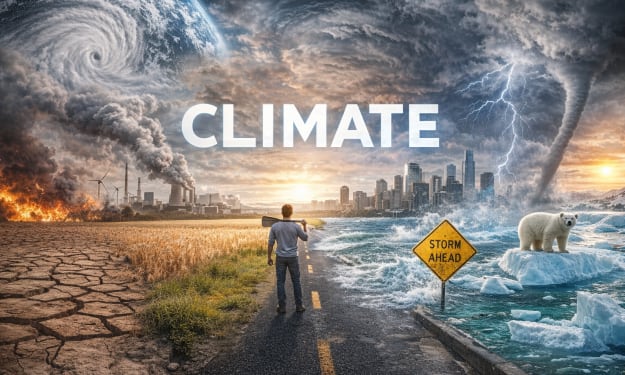
## Climate Uncovered: How Earth’s Atmosphere Shapes Our Past, Present, and Future Climate is more than just a scientific term or a topic in school textbooks. It is a powerful force that shapes ecosystems, economies, cultures, and daily life across the planet. From the clothes people wear to the food they grow and the cities they build, climate plays a defining role. In recent years, interest in climate has grown rapidly as people seek to understand long-term environmental changes and what they mean for the future of humanity. This article explains climate in a clear and engaging way while answering the most common questions people search for and ask. **What Is Climate?** Climate refers to the long-term average of weather conditions in a specific place over an extended period, usually decades. It includes patterns of temperature, rainfall, humidity, wind, and seasonal variations. Climate tells us what kind of weather is typical for a region, such as cold winters, hot summers, or consistent rainfall throughout the year. Unlike daily weather, which can change quickly, climate changes slowly and reflects broader atmospheric behavior. **What Is the Difference Between Climate and Weather?** Weather describes short-term atmospheric conditions, such as today’s temperature, rain, or wind. Climate, on the other hand, is the long-term pattern of weather over many years. A single hot day does not define climate, but repeated hot summers over decades do. In simple terms, weather is what happens now, while climate is what usually happens. **What Are the Main Types of Climate?** There are several major climate types around the world. Tropical climates are generally hot and humid with frequent rainfall. Dry climates include deserts and semi-arid regions with very little precipitation. Temperate climates have moderate temperatures and clear seasonal changes. Continental climates experience hot summers and cold winters, while polar climates are extremely cold year-round. These climate types influence vegetation, wildlife, and human settlement patterns. **What Is Climate Change?** Climate change refers to long-term shifts in average climate conditions on Earth. These changes include rising global temperatures, altered rainfall patterns, melting ice, and rising sea levels. While Earth’s climate has changed naturally in the past, current changes are happening more rapidly and are closely linked to human activities, especially those that release greenhouse gases into the atmosphere. **Why Is Climate Changing?** Modern climate change is largely driven by human actions such as burning fossil fuels, cutting down forests, and expanding industrial activities. These actions increase the amount of greenhouse gases in the atmosphere, which trap heat and cause the planet to warm. As a result, natural climate systems are being disrupted, leading to long-term environmental changes. **How Does Climate Affect Daily Life?** Climate affects almost every aspect of daily life. It influences agriculture by determining what crops can grow and when. It affects water availability, energy use, and public health. In hot climates, people may rely more on cooling systems, while colder regions require heating. Climate also impacts transportation, housing design, and even cultural traditions and lifestyles. **How Does Climate Change Affect Weather Extremes?** Climate change can make extreme weather events more frequent and intense. Heatwaves may last longer, storms can become stronger, and heavy rainfall may lead to flooding. In some regions, droughts may become more severe, increasing the risk of wildfires and food shortages. These changes happen because a warmer atmosphere holds more energy and moisture, fueling stronger weather events. **Does Climate Change Affect All Regions Equally?** Climate change does not affect all parts of the world in the same way. Some regions experience rising temperatures more quickly, while others face increased rainfall or drought. Coastal areas are particularly vulnerable to rising sea levels, while inland regions may face extreme heat or water shortages. The impact of climate change depends on geography, local ecosystems, and existing infrastructure. **Why Is Climate Important for the Future?** Climate is crucial for planning a sustainable future. Changes in climate can affect food security, economic stability, and human health. Understanding climate trends helps governments, businesses, and communities prepare for challenges such as extreme weather, water scarcity, and environmental damage. A stable climate supports healthy ecosystems and reliable resources for future generations. **What Can Individuals Do About Climate Issues?** Individuals can play a role in addressing climate challenges by making conscious choices in daily life. Reducing energy use, conserving water, minimizing waste, and supporting environmentally friendly practices all contribute to positive change. Education and awareness are also important, as informed communities are better prepared to adapt and respond to climate challenges. **Can Climate Change Be Slowed?** While reversing climate change completely is difficult, its effects can be slowed by reducing greenhouse gas emissions and adopting sustainable practices. Transitioning to renewable energy, protecting natural ecosystems, and improving efficiency in transportation and industry can help stabilize climate trends over time. Collective action at local, national, and global levels is essential. **What Does the Future of Climate Look Like?** The future of climate depends largely on the decisions made today. Continued environmental neglect could lead to more extreme conditions and greater challenges. However, responsible action and innovation offer the opportunity to create a more balanced and resilient climate system. Understanding climate is the first step toward protecting the planet and ensuring a safer future for all. Climate is not just an environmental issue; it is a human issue that affects every part of life on Earth. By understanding how climate works and why it matters, people can make informed choices that contribute to a healthier and more sustainable world.
By America today 8 months ago in Earth
Mother Earth Still Breathes
Mother Earth Still Breathes LINK TO SONG! "This song began as a realization that the Earth isn't just a backdrop for our lives, she is a living, humming organism. After a video sparked a conversation with my creative partners, we moved from poetic meditation into Mother Earth Blues.
By Vicki Lawana Trusselli 8 months ago in Earth
The Bench That Faced the River
The bench had been there longer than anyone could remember. It sat at the edge of the riverwalk, facing the slow-moving water, its paint chipped and its wood smoothed by years of weather and waiting. People passed it every day—joggers, couples, tourists with cameras—but only a few ever sat down.
By Yasir khan9 months ago in Earth
The Richest Impact Craters on Earth: How Asteroids Created Geological Wealth
1. Vredefort Crater – South Africa The Creator The Vredefort Crater was created about 2 billion years ago by an asteroid estimated to be 10–15 kilometers wide. The collision released energy greater than billions of nuclear bombs. Crater Formation The impact fractured Earth’s crust deeply, causing extreme heat and pressure. This event altered rock layers across a vast region, redistributing minerals and creating pathways for gold-rich fluids. Economic Importance The crater is closely linked to the Witwatersrand Basin, the richest gold-producing region in human history. Over 30% of all gold ever mined comes from this area Estimated total gold value: trillions of dollars While the asteroid did not directly “bring” gold, it played a major role in concentrating and preserving gold deposits, making Vredefort the most economically significant impact crater on Earth. 2. Sudbury Basin – Canada The Creator The Sudbury Basin was formed around 1.85 billion years ago by a massive asteroid impact. The asteroid is estimated to have been 10 km or larger. Crater Formation The impact melted vast quantities of rock, forming a magma sheet rich in metals. As the molten material cooled, heavy metals settled into concentrated layers. Economic Importance Sudbury is one of the world’s richest mining regions, containing: Nickel Copper Platinum-group metals The metals extracted from Sudbury have been essential for: Stainless steel Electronics Aerospace industries Estimated economic value of Sudbury’s metals exceeds hundreds of billions of dollars, with reserves still remaining underground. 3. Chicxulub Crater – Mexico The Creator The Chicxulub Crater was created 66 million years ago by an asteroid approximately 10–12 km wide. Crater Formation This impact caused: Massive earthquakes Global firestorms A “nuclear winter” effect It is famously linked to the extinction of the dinosaurs. Economic and Geological Importance Although not a major mining region, Chicxulub’s value lies in: Scientific knowledge Oil and gas trapping structures Understanding mass extinctions The crater helped form geological conditions that trap hydrocarbons in the Gulf of Mexico, indirectly contributing to billions of dollars in energy resources. 4. Popigai Crater – Russia The Creator Popigai Crater formed 35 million years ago in Siberia after a massive asteroid impact. Crater Formation The impact generated extreme pressure, transforming carbon into impact diamonds. Economic Importance Popigai is believed to contain the largest diamond deposit on Earth, far exceeding traditional diamond mines. These diamonds are mostly industrial-grade Extremely hard and valuable for cutting and drilling If fully exploited, Popigai’s diamond resources could be worth hundreds of billions of dollars, though mining challenges and environmental concerns limit extraction. 5. Morokweng Crater – South Africa The Creator The Morokweng Crater was created around 145 million years ago by a large asteroid impact. Crater Formation The impact buried the crater deeply under sediments, preserving fragments of the asteroid itself. Economic Importance While not a major mining site, Morokweng is scientifically important because asteroid fragments were found embedded in Earth’s crust. These fragments help scientists understand asteroid composition and early solar system materials. Its value is primarily scientific rather than commercial. 6. Manicouagan Crater – Canada The Creator Manicouagan Crater formed 214 million years ago after a massive asteroid strike. Crater Formation The impact created a large ring-shaped structure still visible today, often called the “Eye of Quebec.” Economic and Environmental Value Though not a major metal source, the crater hosts: Hydroelectric power stations Freshwater resources The hydroelectric value generated over decades contributes billions of dollars in renewable energy. 7. Hoba Meteorite Site – Namibia (Honorable Mention) The Creator Unlike craters, the Hoba meteorite is a massive iron meteorite that landed intact around 80,000 years ago. Economic Value Contains iron and nickel Estimated metal value: millions of dollars However, its scientific and cultural value far exceeds its raw metal worth. Why Impact Craters Become Wealth Centers Asteroid impacts create wealth because they: Fracture deep rock layers Concentrate metals Create heat-driven mineral flows Preserve ancient deposits Without these events, many of Earth’s richest mineral zones would not exist or would be inaccessible. Estimated Combined Wealth of Impact Craters
By Say the truth 9 months ago in Earth