Humanity
Extreme weather
The sky over the coastal town of Havenport had turned a murky gray, a warning of the monster brewing offshore. For days, the news had been relentless: Category 5 hurricane heading straight for the coast. But for Thomas Caldwell, Havenport was home, and leaving it wasn’t a simple decision.
By Google Ads2 years ago in Earth
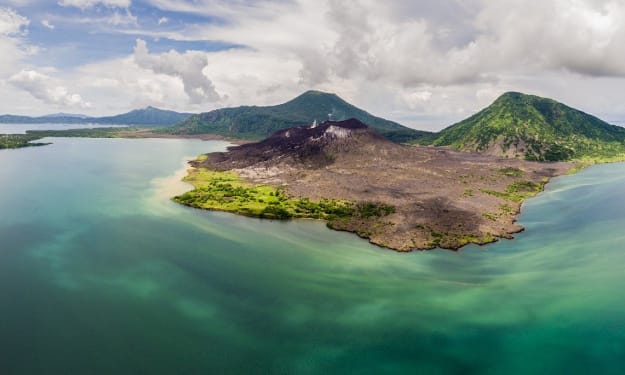
The Balcones in East New Britain, Papua New Guinea
East New Britain, a picturesque province in Papua New Guinea, is home to some of the most dynamic volcanic landscapes on Earth. Among these are the Balcones, an awe-inspiring volcanic feature that shapes both the environment and the lives of the people who call this region home. The intertwining of natural beauty and the raw power of volcanic activity tells a story of resilience, adaptation, and coexistence with the unpredictable forces of nature. The Balcones: A Geological Wonder The Balcones is part of the East New Britain region's dramatic volcanic belt, which includes iconic features like Tavurvur and Vulcan. These volcanoes are situated on the Pacific Ring of Fire, a horseshoe-shaped area known for its intense seismic and volcanic activity. The Balcones, with their rugged ridges and lush slopes, offer a glimpse into the geological forces that have shaped this region over millennia. Volcanic eruptions in East New Britain are frequent and often significant. The Balcones, though not as famous as Tavurvur, are part of this volatile network, contributing to the region's ever-changing landscape. Their activity has left behind fertile soil, sustaining a vibrant ecosystem and enabling agriculture, which forms the backbone of local livelihoods. The Last Eruption The Balcones experienced their most recent eruption in the late 20th century, a reminder of the region's volcanic unpredictability. While the eruption was less catastrophic compared to the 1994 eruption of Tavurvur and Vulcan, it underscored the persistent threat faced by the communities in East New Britain. The eruption sent ash plumes into the sky, disrupted air travel, and blanketed nearby villages with ash and debris. The volcanic activity in the area serves as both a challenge and a resource for the people. The ash enriches the soil, enabling crops such as taro, sweet potatoes, and bananas to thrive. However, it also poses health risks and can destroy infrastructure and homes. This dual nature of volcanic activity necessitates careful planning and adaptation by the local population. Resilience and Adaptation: Life in the Shadow of Volcanoes The people of East New Britain have a deep understanding of the natural forces that govern their lives. Traditional knowledge, passed down through generations, helps them predict eruptions and respond effectively. They closely monitor changes in the environment, such as the smell of sulfur, ground tremors, or changes in animal behavior, which can signal impending volcanic activity. Villagers often live in elevated, well-ventilated houses to protect against ash fall and flooding during eruptions. Their homes are constructed with locally available materials such as bamboo and sago leaves, making repairs and rebuilding feasible after disasters. Community resilience is further strengthened by communal living and mutual support. In times of crisis, neighbors come together to share resources and ensure everyone's safety. Local government agencies and international organizations also play a crucial role, providing evacuation plans, emergency shelters, and education about volcanic risks. Living with the Land Despite the challenges, the people of East New Britain maintain a harmonious relationship with their environment. The volcanic soil, rich in nutrients, supports lush gardens and plantations. Agriculture remains the primary livelihood, with many families cultivating crops and raising livestock to sustain themselves and trade in local markets. The natural beauty of the region, including the Balcones, attracts tourists interested in trekking, birdwatching, and exploring volcanic landscapes. Tourism provides an additional source of income for locals, further diversifying their economic opportunities. Cultural practices and festivals in East New Britain often reflect the people's connection to their land and its volcanic origins. Traditional dances, songs, and rituals celebrate the resilience and creativity of the communities, showcasing their ability to thrive despite the challenges posed by their environment. Conclusion The Balcones and other volcanic features in East New Britain serve as powerful reminders of the forces shaping our planet. For the people living in this region, these volcanoes are more than just geological landmarks; they are integral to their way of life. By adapting to the challenges and embracing the opportunities offered by their volcanic surroundings, the communities of East New Britain demonstrate a remarkable resilience. Their story is one of coexistence with nature, a testament to human ingenuity and strength in the face of adversity.
By Grace Guise2 years ago in Earth
Top 10 Sustainable Brands Leading the Eco-Friendly Movement
As sustainability becomes a priority for consumers, many companies are stepping up to lead the eco-friendly movement. From fashion to food and beyond, these brands are setting new standards for ethical practices, sustainable materials, and environmental stewardship. If you’re looking to support businesses that prioritize people and the planet, here are the top 10 sustainable brands making a difference in 2025.
By Jacktone Otieno2 years ago in Earth
How Green Energy Is Transforming Cities
As the world becomes increasingly urbanized, with nearly 70% of the global population projected to live in cities by 2050, the demand for sustainable urban living has never been greater. At the forefront of this transformation is green energy—an essential tool in the fight against climate change and the pursuit of cleaner, more efficient cities. From powering homes with renewable energy to driving electric vehicles on carbon-neutral streets, green energy is revolutionizing how we live, work, and move in urban environments.
By Jacktone Otieno2 years ago in Earth
Rediscover Nature: The Most Fascinating Places in the World You Must Visit
Our planet is brimming with awe-inspiring natural wonders that captivate the imagination. From spectacular landscapes and vibrant ecosystems to rare geological formations, every corner of the Earth tells a story waiting to be explored. In this article, we’ll journey through some of the most fascinating natural destinations in the world, each offering a once-in-a-lifetime experience.
By Marius Lungu2 years ago in Earth
"Oregon Records First Human Instance of Bird Influenza: CDC Affirms Interesting Transmission"
The Case: What We Know Up to This Point A person in Oregon got the H5N1 type of avian flu, a subtype that has been liable for broad flare-ups among birds worldwide. The individual, who had close contact with tainted poultry, displayed gentle side effects, like weariness and respiratory inconvenience, before recuperating completely. Wellbeing specialists have detailed that the gamble of additional human-to-human transmission stays low for this situation, without any indications of the infection spreading past the underlying patient.
By Shahanaz Akther2 years ago in Earth
Building a boundary at 4,600 meters
We're passing through a stream right now in the Jeep. For millennia, people have defined boundaries on the Earth, separating the planet into countries, yet there are a few areas of the planet that no domain, country, or state has had the option to tame.
By Nora Ariana2 years ago in Earth
The Future of Sustainable Agriculture
As the global population approaches 10 billion by 2050, the demand for food is expected to rise by over 50%. Meeting this need while combating climate change, conserving resources, and maintaining biodiversity is one of humanity’s greatest challenges. Enter sustainable agriculture—a revolutionary approach to farming that seeks to feed the world without depleting the planet’s resources.
By Jacktone Otieno2 years ago in Earth
Nukes in Ukraine: How Close Are We to the Edge?
Nuclear weapons have long symbolized both unparalleled destructive capability and intricate geopolitical clout. The global balance of nuclear forces, largely concentrated between the United States and Russia, is rife with questions concerning stability, deterrence, and escalation-risk intentional or inadvertent.
By Tanguy Besson2 years ago in Earth