Climate
What If We Get It Right Podcast
Essentially, there are two kinds of podcasts. There is a podcast that covers a topic that’s been covered thousands of times, but the show’s goal is to do it better than anyone else. A prime example includes movie review podcasts Verbal Diorama and What Went Wrong. Both shows are essentially “how this movie was made” podcasts. What separates them from the thousands of other podcasts with the exact same premise is that they do so much better than anyone else.
By Frank Racioppiabout a year ago in Earth
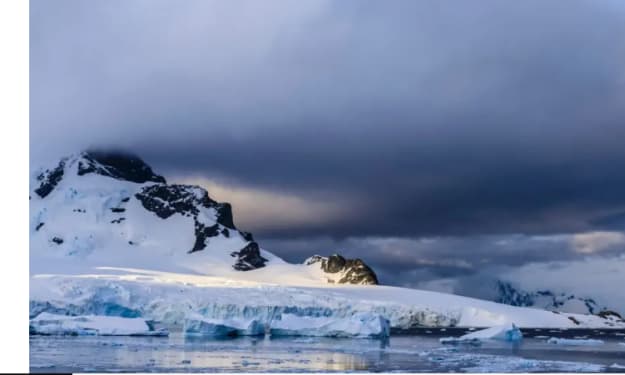
By the end of the century, Antarctic atmospheric rivers are expected to triple.
Meteorologists refer to these features as atmospheric rivers. Picture a tiny, invisible firehouse that stretches thousands of miles through the sky, carrying more water than the Amazon. They originate over warm seas, move poleward, and then release their load as snow or heavy rain.
By Francis Damiabout a year ago in Earth
Florida’s Fight Against Hurricane Milton: A Story of Grit and Togetherness
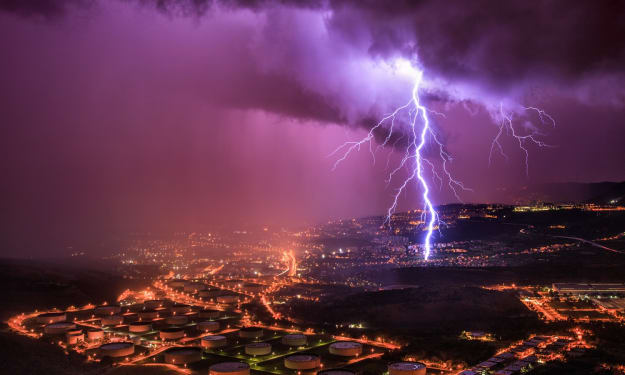
Oh my God!, Florida was holding its breath in early October 2024 when Hurricane Milton came knocking. The sky looked like it was about to unleash hell, and the news wouldn’t shut up about this Category 5 beast tearing toward the Gulf Coast. It wasn’t just another storm—it was a gut punch, especially after Hurricane Helene had already left folks reeling. This is the story of regular people staring down a monster, scared outta their minds but finding ways to hold it together and lift each other up. Take Maria Gonzalez from Tampa. She was on her porch, hands shaking, taping up her windows like her life depended on it. Helene had just trashed her neighborhood a couple weeks back, and now Milton was coming in hot, hitting land near Siesta Key on October 9 as a Category 3. Still scary as hell. Her kids, clinging to her legs, were like, “Mama, is our house gonna make it?” Maria didn’t know, but she hugged them tight, promising they’d be okay. All across Florida, people were feeling that same knot in their stomachs, packing up to evacuate or bracing for the worst. Milton didn’t mess around. It slammed through with 101 mph winds, ripping the roof clean off Tropicana Field in St. Pete and knocking out power for over 3.4 million homes. Floods swallowed cars and houses in Clearwater, and—get this—43 freaking tornadoes, including three EF3s, tore across the state like something out of a disaster flick. In Bradenton Beach, one house just slid right off its stilts, like it was saying, “I’m done.” The damage was brutal, but the real kicker? The emotional toll. Families like Maria’s were terrified of losing everything—their homes, their memories, their whole damn lives. But here’s the thing: even in the middle of all that chaos, people showed up. In Seminole Square, folks watched Milton shred their condo’s roof. Eight months later, by June 2025, they’re still waiting on repairs, but you know what? They’re not giving up. Neighbors started sharing food, swapping stories, and acting like family. One lady there said, “We’re not just neighbors anymore—we’re in this together.” That’s the vibe all over Florida. Strangers pulling people out of flooded apartments, volunteers hauling debris, even Governor DeSantis stepping up to get federal help rolling. It was messy, but it was beautiful. Some stories hit harder. A buddy of a Tampa guy went back to find their house just… gone. Roads were so bad they couldn’t even get to the rubble. On X, someone posted about how even lifelong Floridians were shook—this storm felt different. A weatherman broke down crying on live TV, talking about how Milton got so fierce so fast because of the Gulf’s crazy warm water. Climate change ain’t no joke, and it made this storm a beast. But the way people responded? That’s what sticks with you. From the National Hurricane Center’s nonstop updates to regular folks handing out water and blankets, Floridians said, “We’re not going down like that.” As Milton fizzled out into the Atlantic, leaving rough waves to bug the Bahamas, Florida started picking up the pieces. The price tag’s steep—$90 billion in damages—and it’s a long road back. But Maria, now helping out at a shelter, found herself smiling at kids playing in the middle of all the mess. “We lost a lot,” she said, “but we found each other.” That’s the real deal. Milton was a nightmare, but it showed what Florida’s made of—grit, heart, and a whole lotta love. No storm’s big enough to break that.
By Synchronizer xvvmabout a year ago in Earth
Enchanting Heights: The Beauty and Sweet Weather of Malam Jabba. AI-Generated.
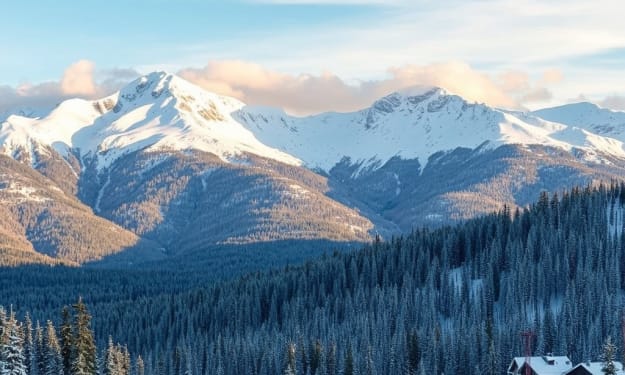
Malam Jabba, nestled in the lush mountains of Swat Valley, Pakistan, stands as a serene retreat known for its breathtaking landscapes and temperate weather. Whether blanketed in snow or bathed in the warm glow of summer, Malam Jabba offers visitors a magical escape into nature’s embrace. Its sweet weather and enchanting beauty have made it a favorite destination for adventurers, nature lovers, and those seeking respite from the hustle and bustle of city life.
By Zain Ul Abidin Khanabout a year ago in Earth
World Oceans Day 2025
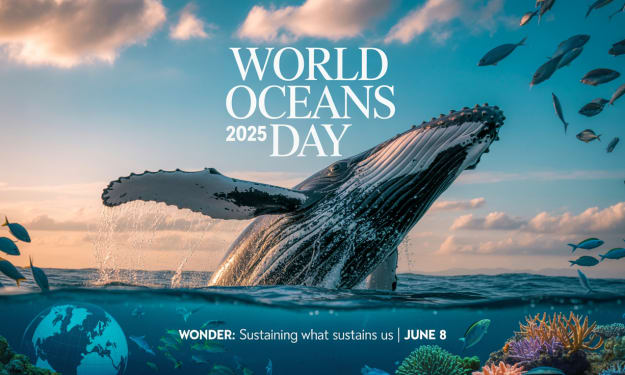
Introduction Every year on June 8, the world celebrates World Oceans Day, a global initiative dedicated to honoring the oceans — the vast blue heart of our planet. In 2025, this day holds even greater urgency as the oceans face unprecedented threats from climate change, pollution, and biodiversity loss. The theme, “Catalyzing Action for Our Ocean & Climate,” highlights the critical link between ocean health and global climate stability, calling for collective action to safeguard our future.
By M Irfan Zafarabout a year ago in Earth
Urban Armor: How Cities Are Reinventing Themselves to Fight Climate Change
Urban Armor: How Cities Can Lead the Charge Against Climate Change Introduction Climate change is often viewed as a global crisis demanding international action. While treaties and global policies make headlines, the heart of climate innovation may actually lie in our cities. These urban centers, often considered major contributors to environmental degradation, are now emerging as key players in combating climate change.
By Saboor Brohi about a year ago in Earth
An Ultimate Guide to Hampta Pass Weather and Temperature
Hampta Pass sits at about 4,290 m (~14,100 ft) in the western Himalayas, so Hampta Pass weather is strongly influenced by high altitude. The pass forms a climatic divide - it forces moist monsoon air to drop heavy rain and snow on the Kullu Manali side, while creating a rain-shadow toward Lahaul which lies within Pir Panjal mountain range. As a result, Hampta sees extreme alpine conditions with warm sunny days briefly in summer but plunging cold by night. Trekkers often report that Hampta Pass feels much colder than other Himalayan treks at lower elevations. In fact, winter temperatures at the highest camps can dip to minus 15 degrees Celsius or lower. In contrast, summer days can reach the low double-digits in degrees Celsius before evening frost sets in. This guide covers year-round trends in Hampta Pass temperature and precipitation so trekkers can plan gear and timing for a safe journey.
By Shivam Chandraabout a year ago in Earth
Teleios: The Silent Sphere That Defies the Cosmos
In the immense stretch of the Milky Way, astronomers have recently discovered a mysterious object that challenges traditional cosmic categories. Dubbed Teleios, this celestial entity is notable not only for its flawlessly spherical form but also for its unusual quietness—transmitting merely weak radio signals while being invisible in other wavelengths.
By MILTON CHANDRA ADIKARYabout a year ago in Earth
Unraveling the Cosmic Metronome: Strange Radio & X‑Ray Pulses Every 44 Minutes
In a finding that seems almost like something out of science fiction, astronomers have identified a cosmic entity that emits precisely timed signals—both radio and X-ray—every 44 minutes, a pattern that has never been seen before. This entity, now referred to as ASKAP J1832–0911, was initially detected by the Australian Square Kilometre Array Pathfinder (ASKAP) and subsequently verified with data from NASA’s Chandra X-ray Observatory.
By MILTON CHANDRA ADIKARYabout a year ago in Earth