Climate
The Melting Glacier
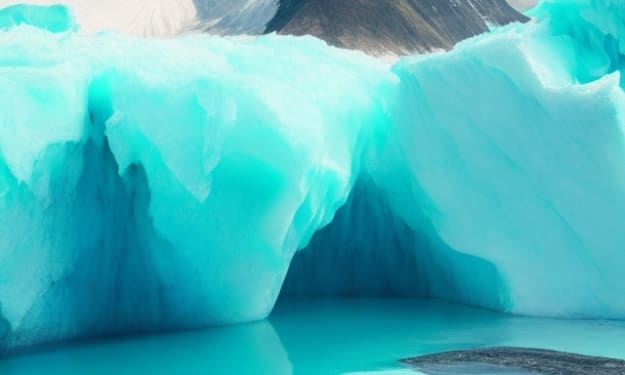
In the icy realms of the Arctic, there existed a magnificent glacier named Aurora. Aurora was a marvel to behold, with its sparkling blue ice and towering peaks that reached towards the sky. It had stood proudly for centuries, a symbol of nature's resilience and beauty.
By Sani Joseph3 years ago in Earth
"Whispers of the Earth"
Once upon a time, in a world where lush green landscapes stretched as far as the eye could see, there lived a young girl named Luna. Her heart was intimately connected to the delicate balance of nature, and her spirit yearned for a world free from the ravages of climate change and environmental degradation.
By Msaalarallam M3 years ago in Earth
Voices of the Silent. Content Warning.
In the heart of a lush rainforest, hidden from the bustling human world, there lived a wise and ancient tree named Eldira. For centuries, Eldira had witnessed the wondrous symphony of life that thrived around her. But as the years passed, a somber silence settled in, for the vibrant creatures that once called this forest home were disappearing one by one.
By Kennedy Agbo3 years ago in Earth
UNLOCKING PERSPECTIVES
Traveling has traditionally been regarded as a transforming experience because it gives people the chance to learn about new cultures, encounter various viewpoints, and widen their views. Beyond the comfort and adventure it offers, travel has the amazing power to alter one's perspective on the world. In this essay, we'll examine how travel can result in a radical shift in perspective, promoting the development of the self, empathy, and global perspective.
By Zenia Samson3 years ago in Earth
The Quest to Build a Death Star
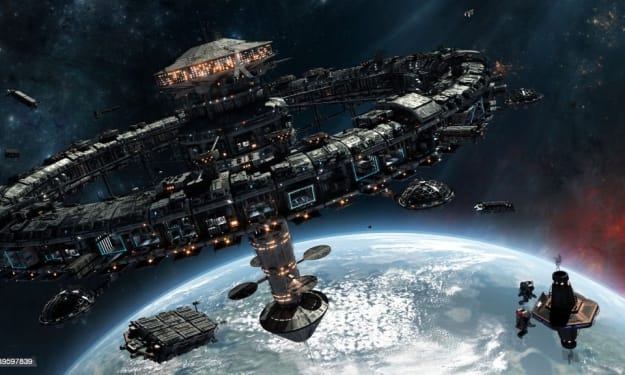
It was an ordinary day on the planet Alderaan when, out of nowhere, a moon-like blob materialized in the sky. The object was so small that only a few fortunate individuals who happened to be looking in the right direction could have possibly noticed it. For those lucky few, witnessing the sudden appearance of a new mini moon in the heavens must have been an exhilarating and awe-inspiring event. However, the excitement was short-lived. Within moments, the object began to glow, and Alderaan was consumed by a blinding green light. In a matter of seconds, the entire sky turned into a furnace of pure heat, obliterating the air and boiling the oceans. The beautiful mountain planet of Alderaan vanished, and all its unfortunate inhabitants perished.
By Myke & Amy3 years ago in Earth
A Paradigm Shift in Urban Architecture
Urban sprawl and the uncontrolled expansion of cities have led to a host of negative consequences for both people and the planet. As we battle traffic and witness the demolition of precious ecosystems, it becomes evident that we need to rethink how we build our cities. In this blog, we explore the concept of Earthscrapers, subterranean megastructures that offer a novel solution to urban sprawl. We delve into the advantages, challenges, and potential of Earthscrapers, as well as their impact on various industries and the future of urban living.
By Myke & Amy3 years ago in Earth
Exploring Affordable Swimming Pool Options
Many homeowners dream of having a swimming pool in their backyard, but concerns about cost often deter them from pursuing this idea. However, the good news is that there are affordable swimming pool options available that can make your dream a reality without breaking the bank. In this article, we will explore various affordable swimming pool options that cater to different budget constraints, allowing you to enjoy the refreshing experience of a pool without compromising your finances.
By Kevin Smith3 years ago in Earth
The Whispering Garden
Once upon a time, nestled in a quiet corner of a bustling city, there was a small patch of land that held a magical secret. This garden, lovingly tended by a woman named Lily, was not just a collection of plants and flowers; it was a canvas for her soul to express itself.
By Fred Ssamula3 years ago in Earth
The Benefits of Electric Vehicles: A Catalyst for a Sustainable Future and Economic Growth
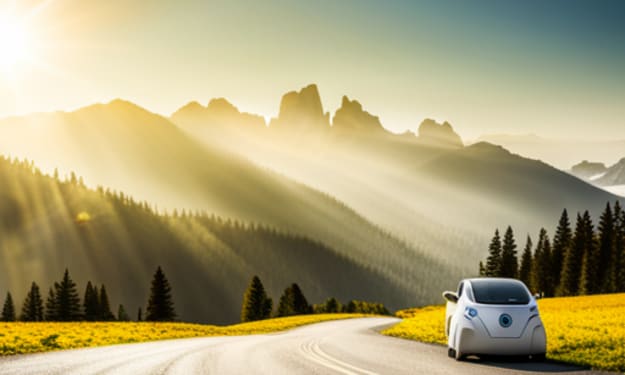
Introduction: As the world confronts the urgent challenges posed by climate change and the necessity of transitioning to cleaner energy sources, electric vehicles (EVs) have emerged as a promising solution. These vehicles offer a wide array of environmental benefits and possess substantial economic potential, making them pivotal in revolutionizing the transportation sector and propelling us toward a more sustainable future.
By Quadri Olanrewaju Abiodun3 years ago in Earth
"Eco-Friendly Innovations: Revolutionizing Sustainability in Everyday Life"
Eco-Friendly Innovations: Revolutionizing Sustainability in Everyday Life In recent years, the world has witnessed a growing concern for environmental sustainability. As the consequences of climate change become increasingly evident, individuals, communities, and businesses are seeking innovative solutions to reduce their ecological footprint. This article explores a range of eco-friendly innovations that are revolutionizing sustainability in everyday life. From energy-efficient technologies to green transportation and waste management systems, these advancements hold the potential to create a more sustainable future for generations to come.
By M. Shaihan Ahmed3 years ago in Earth
The Impact of Climate Change on Wildlife and Ecosystems
Climate change poses a significant threat to the delicate balance of ecosystems and the survival of countless species worldwide. This article delves into the profound impact of climate change on wildlife and ecosystems, shedding light on the current state of affairs and the potential future implications 1. Changing Habitats: Rising global temperatures and shifting weather patterns are reshaping habitats across the planet. Many species, especially those adapted to specific environmental conditions, face daunting challenges. Coral reefs, for instance, suffer from increased ocean temperatures, leading to widespread bleaching events and a loss of biodiversity. Migratory patterns of birds and animals are also disrupted, affecting their feeding, breeding, and survival strategies. 2. Loss of Biodiversity: Climate change poses a severe threat to global biodiversity. The pace of climate change often exceeds the ability of many species to adapt, resulting in reduced populations and even extinctions. Polar bears, dependent on sea ice, are losing critical hunting and mating grounds due to melting ice caps. Various plant species struggle to survive due to changes in rainfall patterns and extreme temperatures. 3. Ecological Imbalances: Ecosystems rely on intricate webs of interconnected species, each playing a vital role in maintaining balance. Climate change disrupts these relationships, triggering ecological imbalances. For example, as warmer waters cause certain fish species to migrate or decline, predator-prey relationships are disrupted, impacting entire food chains. This ripple effect can have far-reaching consequences for the stability and resilience of ecosystems. 4. Increased Extinction Risks: The accelerated pace of climate change has significantly amplified the risk of species extinction. Scientists estimate that the current rate of species loss is approximately 1,000 times higher than the natural extinction rate. Iconic and keystone species, such as elephants, orangutans, and bees, face an uncertain future as their habitats are destroyed or altered by climate change. The loss of these species can have cascading effects on entire ecosystems. 5. Implications for Human Society: The impact of climate change on wildlife and ecosystems extends beyond the natural world, affecting human societies in numerous ways. Healthy ecosystems provide essential services, such as clean air, water, and food production. Disruptions to these services can have far-reaching consequences for human health, livelihoods, and economies. For instance, the decline of pollinators like bees and butterflies jeopardizes crop yields, potentially leading to food shortages and increased prices. Coastal communities are at risk due to sea-level rise and increased intensity of storms. Indigenous peoples, whose livelihoods are intertwined with nature, face cultural, economic, and social impacts. Climate change is primarily caused by human activities that release greenhouse gases into the atmosphere. Here are some of the major causes of climate change: 1. Burning of Fossil Fuels: The combustion of fossil fuels like coal, oil, and natural gas for electricity generation, transportation, and industrial processes releases carbon dioxide (CO2) into the atmosphere. CO2 is a major greenhouse gas that traps heat and contributes to global warming. 2. Deforestation: The clearing of forests for agriculture, urbanization, and logging leads to the release of CO2 stored in trees and reduces the Earth's capacity to absorb CO2 through photosynthesis. Deforestation also disrupts ecosystems and biodiversity, further contributing to climate change. 3. Agriculture: Agricultural activities, particularly livestock production and rice cultivation, produce significant amounts of methane (CH4) and nitrous oxide (N2O), both potent greenhouse gases. Methane is emitted by livestock's digestive processes and manure management, while N2O is released through the use of nitrogen-based fertilizers.
By Ebohon Victor Eghosa 3 years ago in Earth