Climate
Climate Change
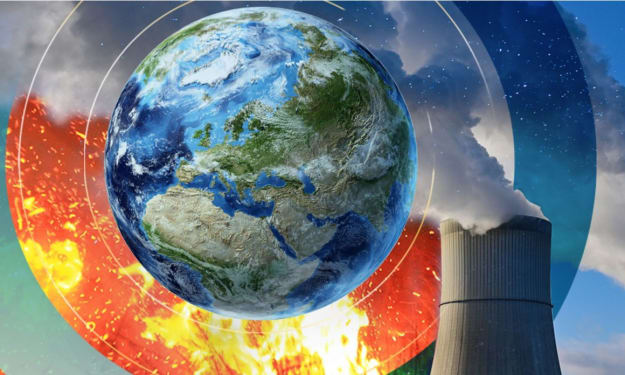
Climate change is an existential threat that demands immediate attention and global cooperation. Despite overwhelming scientific consensus, a vocal minority continues to propagate climate change denialism, hindering progress in addressing this critical issue. In this article, we dive into the captivating world of climate change, debunking denialist arguments, and highlighting the urgent need for collective action. Join us as we explore the science, impacts, and solutions to climate change while emphasizing the crucial role of public awareness and global collaboration.
By Gilbert Mutongoi Ashiku3 years ago in Earth
The Far-Reaching Impact of Lack of Sleep on Health
Introduction Sleep is a fundamental aspect of human health, necessary for proper physical and mental functioning. However, the modern lifestyle often leads to insufficient sleep duration and poor sleep quality. This essay explores the multifaceted effects of chronic sleep deprivation on the immune system, cognitive function, and the increased risks of obesity, diabetes, cardiovascular diseases, and mental health disorders.
By Aduwa Kennedy3 years ago in Earth
Growth and Transformation Of Gardening
Once upon a time, in a small town nestled amidst rolling hills, there lived a young woman named Emily. She was gentle and kind-hearted, but beneath her calm exterior, she carried the weight of her own internal struggles. Searching for solace and a sense of purpose, she turned to gardening as a means to find growth and transformation.
By jabir salehin3 years ago in Earth
Embers of Resilience: Unleashing the Power of Emotions
In a world gripped by fear and uncertainty, a sinister virus emerged, spreading rapidly across continents and plunging humanity into chaos. This was no ordinary virus; it was an insidious force that not only attacked the physical body but also preyed upon the emotional well-being of its victims.
By Alexruban A3 years ago in Earth
Why Does Rectal Bleeding Happen?
When you see blood in your bowels, on the toilet paper, or in your stools, you are experiencing rectal bleeding. Rectal bleeding is most frequently caused by haemorrhoids, however there are other potential causes, some of which are listed below.
By TheYogaManLab3 years ago in Earth
Wildfire In Canada Turns Messy
In recent weeks, wildfire has ravaged through the Canadian province of British Columbia, causing widespread devastation and displacement. The fires have been fueled by a combination of record-breaking temperatures, drought conditions, and strong winds, making them difficult to contain and extinguish. As of now, over 90 active wildfires have been reported in the province, and thousands of people have been forced to evacuate their homes. The wildfires in British Columbia are not a new phenomenon; in fact, they have occurred regularly in the past, particularly during the summer months when the weather is hot and dry. However, the severity and frequency of these fires have increased in recent years, and climate scientists attribute this to the changing climate. Higher temperatures and drier conditions due to climate change have made the forests more susceptible to wildfires, and as a result, more difficult to control. The wildfires in British Columbia have far-reaching consequences. In addition to displacing thousands of people, they have also caused significant environmental damage. The wildfires release a large amount of carbon dioxide and other pollutants into the atmosphere, contributing to global warming and climate change. They also destroy wildlife habitats and threaten the lives of countless animals, including endangered species. The Canadian government has been quick to respond to this crisis, dispatching emergency crews and funding relief efforts. They have also urged people to take precautions, such as avoiding non-essential travel in affected areas and staying indoors as much as possible to avoid smoke inhalation. However, the long-term solution to the wildfire crisis in British Columbia and other parts of the world is to address the root causes of climate change. This means reducing greenhouse gases that contribute to global warming by transitioning to cleaner energy sources and implementing policies that promote sustainability. It also means investing in forest management practices that help to reduce the risk of wildfires and keep our forests healthy and resilient. In conclusion, the wildfires in British Columbia are a sobering reminder of the devastating effects of climate change. While the immediate priority is to contain and extinguish these fires, we must also work towards creating a more sustainable future for ourselves and future generations. By reducing our carbon footprint and investing in sustainable practices, we can help to prevent future wildfires and protect the environment for years to come. The wildfires in Canada have left a trail of destruction in their wake. The flames have consumed vast areas of forest and have forced thousands to evacuate their homes. The fires have been raging for weeks, and it seems that there is no end in sight. The cause of these wildfires is complex, and there are many factors that have contributed to their intensity. The most significant of these is the high temperatures and drought conditions that have gripped the region in recent months. These conditions have made the forests incredibly dry, creating the perfect fuel for the fires to spread. The wildfires have become a major crisis for the Canadian government, which has been working around the clock to manage the situation. Firefighters, emergency responders, and volunteers have been working tirelessly to contain the fires and provide relief to those affected by this tragedy. They have been aided by support from Canada's neighboring provinces and other countries, including the United States, which has sent resources and firefighters to assist in the efforts. The impact of the fires on the people of British Columbia has been immense. Thousands of residents have been forced to flee their homes, with many unsure of when and if they will be able to return. The fires have also caused widespread disruption to businesses, schools, and other essential services across the region. As the wildfires continue to spread, the focus has shifted to the long-term consequences of this disaster. The environmental impact of these fires has been severe, with significant damage to wildlife habitats and the potential for long-lasting effects on the ecosystem. The Canadian government has pledged to take action to mitigate these long-term consequences, but it is unclear what the future holds for British Columbia and the rest of Canada in the wake of this crisis. In conclusion, the wildfires in British Columbia have had a profound impact on the region and its people, causing widespread destruction and displacement. The toll that this disaster has taken on the environment is also significant and could have far-reaching consequences. It is vital that we continue to monitor the situation and provide support and assistance to those affected by this tragedy as we work towards finding a long-term solution.
By Ayomide Fernandez3 years ago in Earth
transforming with a Pop Out of the Ground Design
Your pool is more than just a place to swim; it's an opportunity to create a stunning centerpiece that transforms your outdoor space. One design concept that can unleash your pool's full potential is the pop out of the ground design. By incorporating this innovative approach, you can elevate the aesthetics, functionality, and overall appeal of your pool. In this article, we will explore the transformative power of a pop out of the ground design and how it can unlock your pool's true potential.
By Kevin Smith3 years ago in Earth
The Science Behind Understanding the Impacts of Climate Change
How to use science and technology to build community in the face of climate changes Climate change is one of the greatest challenges facing humanity today. The impacts of the changing climate are already being felt around the world, from rising sea levels and more frequent extreme weather events to increased droughts, wildfires, and flooding. These impacts are expected to intensify in the coming years, making it critical to build resilient communities that can adapt to the changing climate. Science and technology can play a critical role in building such communities. From developing new materials and technologies to help us adapt to the changing climate to providing insights into the impacts of climate change, science and technology can help us build more resilient communities. In this article, we will explore some of the ways in which science and technology can be used to build communities that are better able to adapt to the changing climate. We will look at some of the challenges involved in building such communities and explore some of the solutions that are currently being developed. Understanding the Impacts of Climate Change One of the first steps in building resilient communities is understanding the impacts of climate change. Scientists have been studying the impacts of climate change for many years, and their research has helped us understand how the climate is changing and what the impacts of these changes will be. One of the challenges in understanding the impacts of climate change is that they are often complex and difficult to predict. For example, rising sea levels can lead to increased flooding and erosion, but they can also impact ocean currents and weather patterns, leading to changes in temperature and precipitation patterns. To better understand the impacts of climate change, scientists are using a wide range of tools and techniques. These include computer models that simulate the behavior of the climate system, satellite data that can be used to monitor changes in the climate, and field studies that provide insights into how ecosystems and communities are responding to the changing climate. Developing Resilient Infrastructure Building resilient communities also requires developing infrastructure that can withstand the impacts of the changing climate. This includes everything from buildings and roads to water and energy systems. One approach to building resilient infrastructure is to use materials and technologies that are better able to withstand extreme weather events and other impacts of the changing climate. For example, engineers are developing new building materials that are more resistant to flooding, wind damage, and other extreme weather events. Another approach is to develop infrastructure that is more flexible and adaptable. For example, water systems can be designed to be more flexible so that they can adapt to changing precipitation patterns, while energy systems can be designed to be more decentralized so that they are less vulnerable to disruptions. In addition to developing new materials and technologies, it is also important to invest in infrastructure that can help communities adapt to the changing climate. This includes things like early warning systems for extreme weather events, sea walls and other coastal defenses, and systems for managing water resources in times of drought. Engaging Communities in the Process Building resilient communities requires more than just developing new technologies and infrastructure. It also requires engaging communities in the process of adaptation. One approach to engaging communities is to involve them in the planning and decision-making process. This can help ensure that the needs and priorities of local communities are taken into account when developing adaptation strategies. Another approach is to provide communities with the information and resources they need to adapt to the changing climate. For example, communities can be provided with information on how to prepare for extreme weather events, how to conserve water during times of drought, and how to reduce energy consumption.
By Obaraye endurance3 years ago in Earth
What Would Happen if We Dumped ALL of Earth's Water Into the Sun
Can the Sun be put out? Think about what would occur if all of the Earth's oceans were dumped on it, or even if we could By adding more water, let's find out if the universe is a place filled with water. Despite differences among scientists on the operation of space that date back to antiquity, we have never questioned the reality of the Sun, the star at the center of our solar system. The Sun is big, bright, and appears to be eternal, yet that isn't really the case. The sun is actually just a typical star consisting primarily of hydrogen and helium with a little quantity of other heavy elements. Despite the fact that gravity holds everything together, the sun's life cycle will end in about We'll regret being so close to it once it starts consuming all the neighboring planets, which it will eventually do.
By Johnica Lopina3 years ago in Earth