Climate
Implosion Prevention: Safeguarding Against Structural Collapse
Implosion, the sudden collapse or inward bursting of objects or structures, poses serious risks to safety and property. To ensure the well-being of individuals and prevent catastrophic accidents, it is essential to understand implosion risks and take proactive measures to prevent them. This article provides valuable insights into implosion prevention, raising awareness about potential hazards and offering practical safety precautions.
By X One Media 3 years ago in Earth
Surviving Extreme Heat
75% of U.S. homes have air conditioning. It is responsible for 6% of the overall electricity we use. Air conditioning, or AC, is the process of removing heat from an enclosed space, making it more comfortable. The electrical AC unit we love in the summer was invented in 1902 by Willis Haviland Carrier. Today, it is a luxury we’ve grown accustomed to having in our homes. Unfortunately, it runs on power that can be cut off by an EMP or a blackout. Here are some ways to cool off when the AC goes down.
By M.L. Lewis3 years ago in Earth
The Last Tree 🌲. Content Warning.
Once upon a time, in a world where trees had become extinct, there lived a young girl named Lily. She lived in a small, gray city surrounded by concrete buildings and polluted air. The only trees she knew were the ones depicted in old books and paintings, filling her heart with longing and curiosity. Lily had always been drawn to stories of nature, and she couldn't shake off the feeling that something was missing from her life. One day, while exploring the dusty attic of her grandmother's house, she stumbled upon a book titled "The Last Tree." The cover depicted a lush, green forest with a magnificent tree standing tall and proud. Intrigued, Lily opened the book and began to read. The story unfolded before her eyes, taking her on a journey to a time when trees were abundant and cherished. She learned about their vital role in providing clean air, shelter for animals, and beauty to the world. With a newfound determination, Lily set out on a quest to find the last remaining tree. Armed with the knowledge from the book and fueled by her love for nature, she embarked on an adventure that would change her life and the world around her. Leaving the city behind, Lily traveled through desolate landscapes, searching for any signs of life. Her journey was long and challenging, but she persevered, guided by a glimmer of hope that kept her going. Finally, after days of wandering, Lily stumbled upon a hidden oasis. Surrounded by barren land, she discovered a small, fragile sapling struggling to survive. Its leaves were wilted, and its branches drooped, but it was the only tree she had seen in what felt like an eternity. Filled with compassion, Lily carefully nurtured the sapling, providing it with water and sunlight. Day after day, she tended to the tree, showering it with love and care. Gradually, the sapling began to revive, growing stronger and more vibrant with each passing day. News of Lily's discovery spread, and people from all corners of the world flocked to witness the miracle of the last tree. They were awestruck by its beauty and the sense of tranquility it brought to their hearts. Lily's tale of resilience and hope inspired them to take action. Together, they formed a movement to restore the world's lost greenery. They planted seeds, tended to young saplings, and created green spaces amidst the concrete jungles. Slowly but surely, trees began to flourish again, bringing life back to the desolate landscapes. Lily's journey not only revived the world's flora but also rekindled a deeper connection between humans and nature. People began to realize the profound impact of trees on their lives, cherishing their existence and understanding the need to protect them. Years passed, and the world transformed into a greener, more vibrant place. Cities were adorned with parks and gardens, and the air became cleaner and fresher. Lily, now a grown woman, dedicated her life to preserving nature's beauty, sharing her story and inspiring others to take care of the earth. "The Last Tree" became a symbol of hope, reminding everyone of the importance of nurturing and protecting the natural world. It served as a reminder that even in the face of adversity, a single act of love and determination could spark a movement that changes the world. And so, the tale of Lily and the last tree lived on, a testament to the power of resilience, love, and the everlasting beauty of nature.
By Yadhuprasad 3 years ago in Earth
CLIMATE CHANGE
Climate change is an ongoing phenomenon that refers to long-term shifts in weather patterns and global temperatures due to human activities, primarily the emission of greenhouse gases into the atmosphere. While climate change is a gradual process, it can lead to an increase in the frequency and intensity of extreme weather events, which can have devastating impacts on communities and ecosystems.
By Waqar Baig3 years ago in Earth
The Enchanted Garden
Once, in a secluded corner of the countryside, there lay a garden unlike any other. It was known as the Enchanted Garden, a place where plants possessed extraordinary abilities and mystical properties. This magical haven remained hidden from the world, its secrets waiting to be discovered by those with a pure heart.
By Maryam Noor3 years ago in Earth
Ocean ecosystems and marine conservation Preserving the Blue
encompass a vast and diverse array of habitats, organisms, and ecological processes. They include various marine environments such as coral reefs, mangroves, seagrass beds, kelp forests, deep-sea habitats, and open ocean regions. These ecosystems are not only rich in biodiversity but also play a crucial role in regulating the Earth's climate and providing essential resources and services. Marine conservation refers to the protection, preservation, and sustainable management of ocean ecosystems and their resources. It aims to ensure the long-term health and resilience of marine ecosystems, the species that inhabit them, and the ecological processes that sustain life in the oceans. Marine ecosystems are home to a tremendous diversity of species, from microscopic phytoplankton to large marine mammals. They support complex food webs and provide habitats and nurseries for numerous species, including commercially valuable fish, marine invertebrates, and endangered marine mammals. Marine conservation efforts are driven by several key factors. One of the primary concerns is overfishing and unsustainable fishing practices that deplete fish stocks and disrupt the delicate balance of marine ecosystems. Conservation strategies include implementing sustainable fishing practices, establishing marine protected areas (MPAs), and promoting responsible fisheries management to ensure the long-term viability of fish populations and the health of marine ecosystems. Another significant threat to ocean ecosystems is habitat destruction and degradation. Coastal development, pollution, destructive fishing practices, and climate change contribute to the loss of vital habitats like coral reefs and mangroves. Marine conservation focuses on preserving and restoring these habitats, as they provide critical breeding grounds, shelter, and feeding areas for a wide range of marine species. Addressing pollution, particularly marine pollution from sources such as plastic debris, oil spills, and chemical contaminants, is another crucial aspect of marine conservation. Efforts are made to reduce pollution inputs, implement effective waste management systems, and raise awareness about the impacts of pollution on marine ecosystems and wildlife. Climate change poses a significant threat to ocean ecosystems. Rising sea temperatures, ocean acidification, and altered ocean currents can disrupt marine habitats and negatively impact species' survival and reproduction. Marine conservation aims to mitigate climate change impacts by advocating for reduced greenhouse gas emissions, supporting coral reef restoration, and promoting adaptation strategies for vulnerable marine ecosystems. Marine conservation is a collaborative effort involving governments, scientists, non-profit organizations, local communities, and the private sector. International agreements, such as the United Nations Sustainable Development Goal 14 (Life Below Water) and regional initiatives, promote the conservation and sustainable use of marine resources. Research and monitoring play a vital role in marine conservation by providing insights into the status of marine ecosystems, identifying threats, and guiding conservation actions. This includes studying marine biodiversity, tracking migratory patterns of species, monitoring water quality, and assessing the effectiveness of conservation measures. The effectiveness of conservation measures can vary depending on various factors, including the specific context, the goals of the conservation effort, and the resources available for implementation. Here are some key factors that can influence the effectiveness of conservation measures: Clear goals and objectives: Conservation measures should have well-defined goals and objectives that guide the actions taken. These goals should be specific, measurable, achievable, relevant, and time-bound (SMART). Clearly articulated goals help focus efforts, evaluate progress, and determine the effectiveness of conservation measures. Science-based approach: Conservation measures that are informed by scientific research and evidence tend to be more effective. Scientific knowledge helps understand ecological processes, species' needs, and the impacts of human activities on the environment. This understanding allows conservationists to develop targeted and appropriate strategies that address specific conservation challenges. Collaboration and partnerships: Conservation efforts often require collaboration among various stakeholders, including government agencies, non-profit organizations, local communities, and scientific institutions. Effective partnerships can leverage diverse expertise, resources, and perspectives, leading to more comprehensive and successful conservation initiatives. Adequate resources and funding: Conservation measures need sufficient resources, including financial support, personnel, and technology, to be implemented effectively. Adequate funding ensures that necessary actions can be carried out, such as habitat restoration, species monitoring, enforcement of regulations, and community engagement. Insufficient resources can hinder the effectiveness of conservation measures. Adaptive management and monitoring: Conservation efforts should incorporate adaptive management principles, which involve continuous learning, evaluation, and adjustment of strategies based on monitoring and feedback. Monitoring the outcomes and impacts of conservation measures helps assess their effectiveness, identify areas of improvement, and adapt strategies as needed. Stakeholder engagement and community participation: Involving local communities, indigenous peoples, and other stakeholders in conservation decision-making and implementation enhances the effectiveness of measures. Engaging communities in conservation efforts increases awareness, fosters a sense of ownership, and promotes sustainable practices that are aligned with local needs and values. Legal frameworks and enforcement: Conservation measures are often supported by legal frameworks, regulations, and policies that provide a basis for protection and sustainable management. Effective enforcement of these regulations, coupled with penalties for non-compliance, helps deter illegal activities and ensures the effectiveness of conservation measures. Long-term commitment and continuity: Conservation is a long-term endeavor, and the effectiveness of measures is often realized over extended periods. Consistent commitment to conservation goals, continued monitoring, adaptive management, and sustained funding are essential for long-term success
By Brian Powell3 years ago in Earth
Whispers of the Golden Horn
A species known as the Golden Horned Owl once soared through the skies in a place where lush forests meet dazzling rivers. It was a marvel to behold, with gorgeous plumage and piercing amber eyes. The Golden Horned Owl's survival was threatened, though, because its habitat was transforming quickly.
By Zaid Nawfer3 years ago in Earth
Devastating Consequences of a Damaged Dam in Ukraine
A damaged dam in Ukraine can have far-reaching consequences that impact the environment, economy, and the lives of the people residing in the affected areas. This article explores the potential negative effects of a devastated dam, shedding light on the various aspects that suffer when such a catastrophic event occurs.
By James stephen Kalu3 years ago in Earth
Investigating Sustainable Alternatives to Conventional Vehicles in Green Transportation
Introduction: Greener transportation solutions are more necessary than ever as environmental sustainability and climate change worries continue to spread. Traditional fossil fuel-powered automobiles produce a sizable amount of greenhouse gas emissions and air pollution. In this article, we'll dig into a variety of environmentally friendly alternatives to traditional transportation. By using these substitutes, we can lessen our carbon impact and help create a future that is healthier and more sustainable.
By Zillah .M.3 years ago in Earth
The Unyielding Tempest
Highlands Ranch, a tranquil suburb nestled in the embrace of Colorado's scenic beauty, had long been a haven of peace and serenity. The community thrived amidst verdant landscapes and the gentle caress of a mountain breeze. However, on a fateful day, nature's fury descended upon this idyllic town, forever altering its peaceful existence.
By RAHUL BANSODE3 years ago in Earth
Water pollution on textile dyes
Once upon a time in the bustling city of Fabric Ville, the textile industry thrived, bringing colorful fabrics and garments to life. However, a dark secret lurked beneath the vibrant surface—water pollution caused by textile dyes.
By Josphine Nyambura3 years ago in Earth
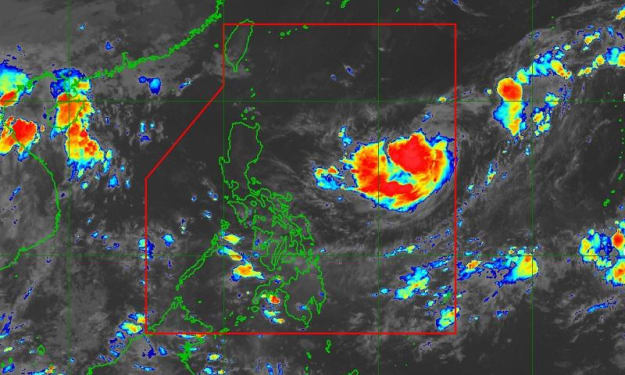
Rains expected across Philippines due to ITCZ, localized thunderstorms
The Intertropical Convergence Zone (ITCZ) is a belt of low pressure that encircles the Earth near the equator. It is characterized by rising air and thunderstorms. The ITCZ is responsible for the wet season in many tropical and subtropical regions.
By Qasim Qureshi3 years ago in Earth