Climate
Farming against the odds
Introduction Climate change has emerged as one of the greatest challenges of our time, profoundly impacting various sectors, including agriculture. Rising temperatures, unpredictable weather patterns, and extreme events have transformed the agricultural landscape, compelling farmers to adapt and innovate. This article explores how climate change is reshaping agriculture, highlighting the challenges faced by farmers and the innovative strategies they employ to sustain food production in an increasingly unpredictable environment.
By Sunday Israel 3 years ago in Earth
Beaches in Alabama Compared to Beaches in Georgia: A Comprehensive Overview
Beaches in Alabama Compared to Beaches in Georgia: A Comprehensive Overview Visiting the beach is a favorite pastime for many, but not all shores are created equal. If you're torn between spending your summer holiday at Alabama's or Georgia's coastlines, this post will help you make the best choice.
By Jason Baril3 years ago in Earth
World’s Oldest Glaciers Discovered Sitting Under South Africa’s Gold Fields
In South Africa, beneath the greatest known gold reserves, scientists have found evidence of the 2.9 billion-year-old glaciers that formerly existed there. This implies that there were continental ice caps present at the time, either because the region was closer to the poles or because parts of the Earth may have been frozen during a hitherto unrecognized "snowball Earth" period of extremely cold weather.
By Francis Dami3 years ago in Earth
A Comprehensive Guide to Weather Patterns and Seasonal Changes in Panama City Beach
A Comprehensive Guide to Weather Patterns and Seasonal Changes in Panama City Beach Panama City Beach, a beautiful destination known for its white sandy beaches and clear emerald waters, also boasts a unique climate that's worth exploring. This blog post will serve as a comprehensive guide to understanding the weather patterns and seasonal changes in Panama City Beach. You'll learn what to expect throughout the year, from the sunniest days to the rainiest months. That way, you can plan your trip around the best weather conditions, and make sure you're prepared for anything Mother Nature throws your way. The information provided here will help you get the most out of your Panama City Beach visit, regardless of the season. Whether you're a seasoned traveler or preparing for your first visit, this guide will equip you with essential knowledge about the weather patterns in Panama City Beach.
By Jason Baril3 years ago in Earth
A World Reborn
Masked and determined, I stepped out into a world devoid of human presence. It was a desolate landscape, where once bustling streets now echoed with silence. A deadly virus had swept across the globe, wiping out the population, leaving me as the sole survivor. I had survived against all odds, immune to the merciless contagion that had claimed countless lives.
By Balan Levin3 years ago in Earth
Dark Ocean Mystery
Deep within the recesses of the Earth lies a realm of impenetrable darkness—the Dark Ocean. It is a place shrouded in mystery, untouched by the light of the sun, and home to secrets buried for centuries. Many years ago, an Indian temple, lost to time, descended into the fathomless depths of this enigmatic abyss. Little did the world know that within its watery embrace, an extraordinary discovery awaited.
By Balan Levin3 years ago in Earth
URGENCY TO TAKE ACTION ON FLOODS
Chapter 1: Calm Before the Storm The small village of Willowbrook sat nestled in a valley, surrounded by lush green fields and a gentle river that meandered through its heart. The villagers led peaceful lives, their days filled with laughter, love, and a strong sense of community. Children played by the riverside, couples strolled hand in hand, and elderly residents shared stories of a time long gone.
By Simon Wachiye3 years ago in Earth
Water Flood: Understanding the Impact and Mitigation of Excessive Water Infiltration"
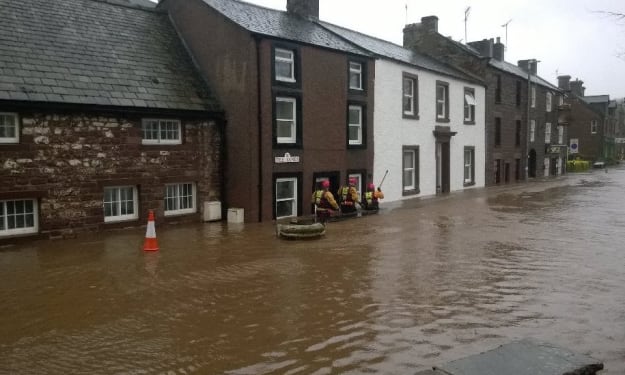
Water Flood Consequences Water floods are natural disasters that can have devastating consequences on communities and the environment. They occur when excessive amounts of water overwhelm a particular area, often due to heavy rainfall, snowmelt, or dam failures. The impacts of water floods can be widespread, affecting both urban and rural areas. One of the primary dangers of water floods is their ability to cause extensive property damage. Floodwaters can infiltrate homes, buildings, and infrastructure, leading to structural instability, electrical hazards, and the destruction of personal belongings. Additionally, the force of moving water can erode soil and undermine foundations, further exacerbating the damage. Beyond property destruction, water floods pose significant risks to human life. Swift currents and rising water levels make it difficult for individuals to evacuate or navigate through affected areas. People may become stranded or swept away by the force of the water, leading to injuries and fatalities. Furthermore, the contaminated floodwater can carry disease-causing pathogens, increasing the risk of waterborne illnesses. Water floods also have severe ecological impacts. They can submerge vegetation, leading to the loss of plant life and disrupting natural habitats. Animals may drown or be displaced, causing imbalances in ecosystems. The floodwater can pick up pollutants, such as chemicals and sewage, which can contaminate rivers, lakes, and groundwater sources. This contamination has long-term consequences for water quality and the health of aquatic organisms. Communities affected by water floods often experience economic setbacks. Businesses may suffer from property damage, interrupted operations, and loss of inventory. Infrastructure, such as roads and bridges, can be severely compromised, disrupting transportation systems and impeding recovery efforts. The costs associated with rebuilding and repairing damaged infrastructure can be substantial and put a strain on local and national economies. To mitigate the impacts of water floods, communities implement various preventive measures. These include constructing flood control systems such as levees, flood walls, and dams to divert or contain excess water. Land-use planning and zoning regulations help prevent the construction of buildings in flood-prone areas. Early warning systems, evacuation plans, and emergency response protocols are crucial in safeguarding lives and minimizing casualties. Climate change adds another layer of complexity to water flood risks. The increasing frequency and intensity of extreme weather events, including heavy rainfall and storms, are often attributed to climate change. Rising sea levels also contribute to coastal flooding. Addressing climate change through global efforts to reduce greenhouse gas emissions and adapt to its impacts is essential in mitigating future water flood risks. In conclusion, water floods are destructive natural disasters with far-reaching consequences. They pose risks to human life, property, and the environment. Through a combination of proactive measures, effective emergency response, and climate change mitigation, we can work towards minimizing the impact of water floods and building more resilient communities. What government is doing about water flood in community Governments play a crucial role in addressing and mitigating the impact of water floods in communities. Here are some common actions taken by governments to tackle this issue: Floodplain management: Governments establish regulations and guidelines for land use and development in flood-prone areas. This includes zoning restrictions, building codes, and standards for infrastructure to minimize exposure to flood risks. Flood forecasting and warning systems: Governments invest in the development and maintenance of advanced flood forecasting models and warning systems. These systems use real-time data from weather monitoring stations, river gauges, and satellite imagery to predict and alert communities about potential flood events. Timely warnings allow residents to take necessary precautions and evacuate if required. Infrastructure development: Governments invest in the construction and maintenance of flood control infrastructure, such as levees, flood walls, and dams. These structures help redirect or contain floodwaters, protecting communities and reducing the extent of damage caused by water floods. Emergency response and evacuation plans: Governments develop comprehensive emergency response plans to handle water floods effectively. This includes establishing evacuation routes, designated shelters, and coordinating with emergency services, such as police, fire departments, and medical teams. Training exercises and public awareness campaigns are conducted to educate residents on emergency procedures. Flood insurance programs: Governments may provide or support flood insurance programs to help individuals and businesses recover financially from flood damages. These programs help mitigate the economic impact of water floods and encourage responsible land use practices in flood-prone areas. Research and data collection: Governments allocate resources for research and data collection related to water floods. This includes studying flood patterns, analyzing climate change impacts, and assessing vulnerability and risk factors. This information is used to develop evidence-based policies and strategies to reduce flood risks. International cooperation: Governments collaborate with international organizations, neighboring countries, and local communities to share knowledge, best practices, and resources in managing water floods. This cooperation helps in building a global understanding of flood risk management and developing coordinated responses to transboundary flooding. It's important to note that government actions and approaches may vary depending on the country, its level of development, and the specific challenges posed by water floods in different regions. Additionally, ongoing efforts are being made to integrate climate change adaptation and resilience-building measures into government policies to address the evolving risks associated with water floods.
By Atsemberga solomon 3 years ago in Earth