Climate
The Crucial Role of Ecotourism in Environmental Conservation
Ecotourism has become a symbol of hope for the environment and the travel industry in a world dealing with the grave effects of climate change and loss of habitat. ecotourism is defined by ethical and responsible travel to natural regions. In addition to rich experiences the visitors enjoy, it is essential for preserving and safeguarding the environment. This article explores the crucial part ecotourism plays in protecting our priceless natural environments.
By Yateen Jakati 3 years ago in Earth
The impacts of climate change
For thousands of years, the polar bear has roamed the frozen tundra of the Arctic, a symbol of resilience and strength in the harshest of climates. But now, this majestic creature is facing a new threat - the devastating impact of climate change. As the Arctic ice melts at an alarming rate, the polar bear's natural habitat is disappearing, and the species is struggling to adapt.
By Amah Goodness 3 years ago in Earth
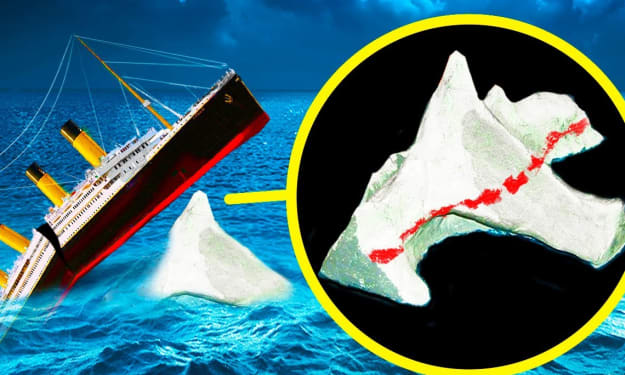
Biggest Secret of the Titanic Iceberg
A monstrous white shape is caught in the light beam as the faithful iceberg is about to rend the side of the legendary ship. The Titanic is silently making its way through the waves with its passengers asleep when suddenly a beam of electric light appears here in the darkness over the calm waters of the Atlantic Ocean.
By Henry Iroanyah3 years ago in Earth
Raging Skies and Resilient Hearts
The coastal town of Havenbrook had always lived in harmony with the sea. Generations of fishermen cast their nets into the cerulean waters, and families picnicked on the sandy shores, basking in the sunlight that danced upon the waves. Yet, as time unfolded, the skies above Havenbrook grew more restless, and the sea's temperament turned unpredictable.
By David Ojukwu3 years ago in Earth
The deadly sprint to the south pole!
Everyone in this picture died shortly after it was taken. These are British explorers standing at the South Pole in January 1912. The image marks the finish line of the race into the unknown. Two teams, one British and one Norwegian, trekked 900 miles into brutal territory and had to return to safety before winter arrived. And at first glance it looks like a British triumph. Except it's the Norwegian flag. And it only gets worse from here. Robert Falcon Scott was a meticulous planner. And his dream was to be the first person to reach the South Pole.
By Shubham Bajaj3 years ago in Earth
Harmonizing Change
Nestled in a picturesque coastal town, a young mind named Liam found himself captivated by the secrets of the world. His heart danced with the rhythms of crashing waves and wind-kissed leaves, whispering tales of mysteries yet unveiled. Eager to unravel the enigma that was transforming his serene world, Liam sought the guidance of an elderly scholar, Ansel.
By MERCY FALOPE3 years ago in Earth
Fear and Resilience
Amelia sat by the window, gazing out at the darkening sky. The air was heavy with anticipation, and a distant rumble of thunder sent a shiver down her spine. She had always been afraid of thunderstorms, a fear that had haunted her since childhood. It wasn't just the loud crashes of thunder that scared her; it was the uncontrollable power of nature, the feeling of being utterly vulnerable.As the first raindrops splattered against the windowpane, memories of her childhood flashed before Amelia's eyes. She remembered the time when she was just a little girl, huddled under her blanket, seeking refuge from the storm. Her father used to sit with her, telling stories to distract her from the booming thunder. But that was a long time ago. Her father was no longer there to protect her, and the storms had only grown more terrifying with time.A brilliant streak of lightning lit up the sky, casting eerie shadows across the room. The lights flickered, then went out completely, plunging Amelia into darkness. Her heart raced, and she felt the familiar grip of panic taking hold. She fumbled for her phone, using its feeble glow to light her way. She could feel her pulse in her temples, each beat echoing her fear.Amelia knew she had to do something about her fear. She had spent years letting it control her, but she couldn't live like this anymore. With trembling hands, she grabbed a notebook and pen, determined to confront her fear head-on. She began writing about her earliest memories of thunderstorms, trying to untangle the web of emotions that had woven itself around her.As the storm raged outside, Amelia's words flowed onto the pages. She wrote about the helplessness she felt, the way her fear seemed to paralyze her every time lightning streaked across the sky. She wrote about the tears she had shed in secret, the nights spent sleepless and trembling. The more she wrote, the more she realized how much power her fear had over her – power she had unwittingly given it.Hours passed, and the storm showed no signs of letting up. But Amelia was in her own world, a world where she faced her fears with each stroke of the pen. She began to write about her father, how he had always been there for her, and how she had relied on his strength to get her through the storms. She remembered his soothing voice, the way he would hold her hand and promise that everything would be okay.With a deep breath, Amelia turned the page and began to write about what she wished she could say to her father now. How much she missed him, how she longed for his guidance, and how she wished he were here to help her overcome her fear. Tears blurred her vision, but she kept writing, pouring out her heart onto the pages.Finally, as the storm began to subside, Amelia put down her pen. She read over what she had written, her emotions laid bare on the paper. It was as if she had released something inside her, something that had been trapped for years. She realized that her fear was not just about the thunder and lightning; it was about the loss of her father, the absence of his comfort and reassurance.Amelia looked out the window, the sky now clearing as the storm moved away. She knew that she couldn't erase her fear overnight, but she had taken the first step towards reclaiming her life. With newfound determination, she folded the notebook and placed it on her bedside table. She was no longer running from her fear; she was facing it, one word at a time.In the days that followed, Amelia continued to write. She wrote about her progress, her setbacks, and the moments of triumph when she managed to stay calm during a storm. She reached out to support groups online, connecting with others who shared her fear and were also on the journey to resilience. She found strength in their stories and in sharing her own.Months passed, and as another thunderstorm rolled in, Amelia felt a twinge of nervousness, but it was no longer paralyzing. She lit a candle and opened her notebook, ready to face her fear once again. The storm outside raged on, but inside, Amelia was discovering a resilience she never knew she had. The crashes of thunder were no longer just terrifying; they were a reminder of her own strength, of the journey she had undertaken.And as the thunder echoed in the distance, Amelia continued to write her story of fear and resilience, a story that was slowly transforming her into a person who could weather any storm that life threw her way.
By Jude Cyril Ebai Nsominoh3 years ago in Earth
Lasting effects of natural disaster
The winds had howled with a furious intensity that night, carrying with them the inferno that would forever change the lives of the residents of Pinecrest. The once-idyllic town, nestled in the heart of a lush forest, had been reduced to a charred landscape of despair by a devastating wildfire.
By Ademola Abraham3 years ago in Earth
Climate Adaptation
In an era characterized by rapidly changing environmental conditions, the concept of climate adaptation has emerged as a critical strategy for addressing the multifaceted challenges posed by global climate change. As the world grapples with rising temperatures, sea-level fluctuations, and an increase in extreme weather events, communities, governments, and organizations are being forced to reevaluate their approach to development and resource management. Climate adaptation, a process that involves adjusting societal systems to better cope with the impacts of climate change, has become an essential tool in safeguarding the well-being of both present and future generations. This essay explores the key aspects of climate adaptation, its significance, challenges, and the approaches being taken to implement effective adaptation strategies. Understanding Climate Adaptation: Climate adaptation encompasses a wide array of strategies and actions designed to minimize vulnerability and enhance resilience in the face of changing climate conditions. It recognizes that the impacts of climate change are already being felt across the globe, from the melting glaciers of the Arctic to the intensified hurricanes in the Atlantic. Rather than solely focusing on mitigation measures aimed at reducing greenhouse gas emissions, climate adaptation seeks to prepare societies for the inevitable changes ahead. This may involve modifying infrastructure, revising land-use plans, diversifying livelihoods, and fostering community engagement. The Significance of Climate Adaptation: The urgency of climate adaptation lies in the undeniable reality that even with substantial mitigation efforts, certain changes in the climate are now unavoidable. Rising sea levels, altered precipitation patterns, and more frequent and severe heatwaves are all anticipated consequences of a warming planet. These changes have the potential to disrupt ecosystems, threaten food and water security, displace populations, and exacerbate existing social and economic inequalities. Adaptation, therefore, becomes a matter of survival and equitable development, particularly for those most vulnerable to the impacts. Challenges in Climate Adaptation: While the imperative for climate adaptation is clear, its execution is not without challenges. One of the primary hurdles is the inherent uncertainty associated with climate projections. Planning for adaptation requires accurate predictions of future conditions, which is complicated by the complex and interconnected nature of Earth's climate systems. Additionally, the financial resources necessary for large-scale adaptation projects can be daunting, especially for developing countries with limited budgets. Balancing short-term economic pressures with long-term climate resilience is a delicate task that requires careful consideration. Approaches to Effective Climate Adaptation: Efforts to implement effective climate adaptation strategies encompass a range of approaches, each tailored to the unique characteristics and needs of a given region or community. One approach is "Nature-Based Adaptation," which involves utilizing natural ecosystems such as wetlands, forests, and coastal habitats to provide protective services against climate impacts. These ecosystems act as buffers against flooding, erosion, and storm surges, while also supporting biodiversity and providing other valuable ecosystem services. Another approach is "Climate-Resilient Infrastructure Development," which entails designing and constructing infrastructure with future climate conditions in mind. This could involve elevating buildings above projected flood levels, designing roads to withstand extreme temperatures, or integrating green spaces into urban planning to reduce the urban heat island effect. Furthermore, "Community-Based Adaptation" emphasizes the importance of local knowledge and community engagement in the adaptation process. This approach recognizes that communities often have unique insights into the challenges they face and can contribute innovative solutions. By involving communities in decision-making and implementation, adaptation efforts are more likely to be successful, sustainable, and socially equitable. Conclusion: As the effects of climate change continue to unfold, the necessity for proactive climate adaptation becomes increasingly evident. By acknowledging the limitations of mitigation alone and adopting a comprehensive approach that embraces both mitigation and adaptation strategies, societies can strive for a more resilient and sustainable future. Climate adaptation recognizes the interconnectedness of ecological, social, and economic systems, emphasizing the importance of cooperation between governments, organizations, and individuals on a global scale. While challenges certainly abound, the innovation, creativity, and dedication of human beings in the face of adversity offer hope that meaningful climate adaptation is not only possible but imperative. By investing in adaptation strategies today, we can lay the foundation for a more secure and thriving world tomorrow.
By Adeniyi Emmanuel3 years ago in Earth